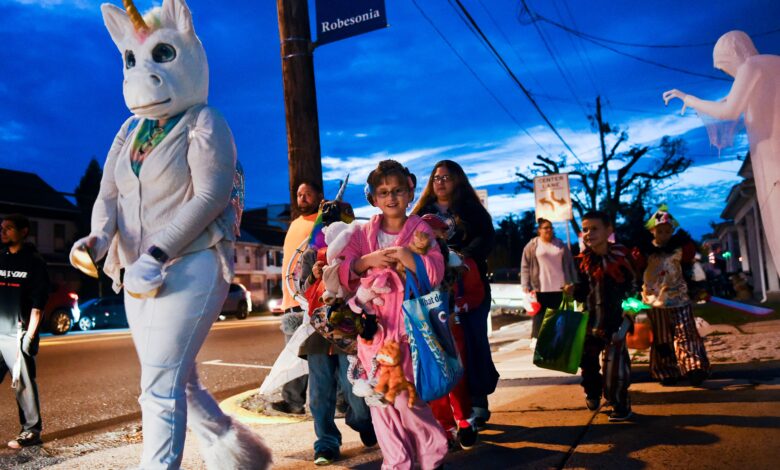
As millions of children take to American streets each October in search of treats, public anxiety frequently fixates on largely mythical hazards like contaminated candy or razor blades in apples. Yet traffic safety experts and federal records point to a far more tangible, lethal danger awaiting young trick-or-treaters in neighborhoods nationwide: automobiles.
Pedestrians under the age of 18 are three times more likely to be struck and killed by a car on Halloween than on any other day of the year. A 2026 analysis of federal crash records indicates that 45 children were killed while walking on Halloween between 2010 and 2024, representing the highest single-day toll for minors. For young children aged four to eight, that statistical risk surges to ten times the normal rate, according to a 2019 study published in JAMA Pediatrics.

Experts note that the convergence of evening celebrations, reduced visibility at dusk, restricted peripheral vision from masks, dark costumes, and distracted or impaired motorists creates a hazardous environment. Across all age groups, the overall risk of pedestrian fatalities increases by 43 percent on Halloween compared to a standard evening. This seasonal spike mirrors a broader national crisis in traffic safety, with motor vehicle injuries serving as the second leading cause of death among U.S. children behind gun injuries, amid pedestrian deaths reaching a 40-year high.
Critics of current urban planning argue that accepting these fatality rates normalizes an unacceptable baseline of danger on the remaining 364 days of the year. Urban advocates point to several systemic factors driving the rising toll, including distracted driving fueled by modern vehicle infotainment systems, the proliferation of larger vehicles like SUVs that make up half of all U.S. car sales, and street designs prioritizing vehicular speed over pedestrian safety.

In response to these risks, some municipalities have implemented short-term interventions. Cities such as New York have expanded pedestrian-only zones through initiatives like the “Trick or Streets” program, temporarily closing dozens of areas to vehicular traffic during peak trick-or-treating hours. Similar neighborhood closure permits and downtown restrictions have been adopted in car-dependent cities including St. Petersburg, Florida, and Seattle.
Long-term advocates argue that lasting safety requires fundamental infrastructure changes, such as designing neighborhoods to pass the “popsicle test,” where children can safely walk independently to a local store and return home. Proponents emphasize that walkable, well-lit infrastructure not only prevents injuries but fosters healthier, more connected communities year-round.