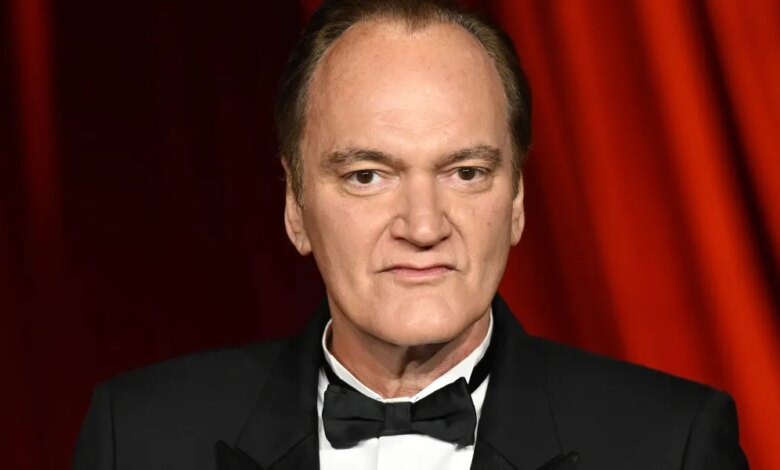
Academy Award-winning filmmaker Quentin Tarantino has explained why he maintains a strict vow never to share his estimated $150 million fortune with his mother, Connie Zastoupil, tracing the decision back to a critical comment she made when he was 12 years old. Speaking on a podcast appearance hosted by Brian Koppelman, Tarantino recounted how his mother reacted during a frustration over his scholastic focus and scriptwriting.
At the time, Zastoupil was dealing with teachers reporting that the young Tarantino was not concentrating on his school lessons. During a tirade about his creative pursuits, she used finger quotes and dismissed his aspirations, telling him that his writing career was over. The remark prompted Tarantino to make a silent promise to himself that he would never provide financial support from any future success, vowing that she would receive no house, vacations, or luxury cars.
Tarantino has largely stuck to that commitment as his career flourished with critically acclaimed and commercially successful films such as Reservoir Dogs, Pulp Fiction, Kill Bill, and Django Unchained. However, he noted one exception to the rule, acknowledging that he once stepped in to help her out of a financial jam with the Internal Revenue Service. Zastoupil, now a 75-year-old retired nurse living in Tennessee, has not received a share of his multi-million-dollar earnings.
Despite the enduring grudge, Tarantino’s upbringing played a significant role in shaping his cinematic sensibilities. Born in Knoxville, Tennessee, in 1963 to a 16-year-old mother—while his biological father, aspiring actor Tony Tarantino, left before his birth—he was raised by his mother through double shifts as a nurse. After relocating to Los Angeles, Zastoupil permitted her son considerable cultural freedom, allowing him to watch adult films like Carnal Knowledge and Deliverance, while her then-husband, musician Curtis Zastoupil, introduced him to regular film screenings.
By age 14, Tarantino had written a screenplay titled Captain Peachfuzz and the Anchovy Bandit. At 16, his mother permitted him to drop out of high school on the condition that he secure employment. He subsequently worked as an usher at a Torrance cinema before spending five years employed at the Video Archives video store, an experience he famously credits in lieu of formal film school.
Tarantino applies a similarly stringent philosophy to his own personal finances and real estate acquisitions. He famously delayed purchasing a home long after achieving major cinematic success, warning fellow director Eli Roth about the dangers of lifestyle inflation and becoming what he termed an “employee of your house.”
According to Tarantino, many filmmakers rush to secure large mortgages upon receiving their first major paychecks, a trap that forces them into accepting unwanted directing projects simply to cover monthly housing costs. Tarantino waited until the release of his 1997 feature Jackie Brown—passing on real estate purchases following the massive success of Pulp Fiction years earlier—before buying his current Los Angeles residence outright.
Roth adopted a similar approach following the massive commercial return of his film Hostel, which grossed $80 million against a $3.8 million budget. Recalling Tarantino’s advice, Roth continued renting until he reached age 35 in 2007, avoiding the financial pressure that might have forced him into compromised career choices.