As the first season of the FX spinoff series The Drop concludes, showrunner Malcolm Spellman is looking toward a multi-season arc that examines the cynical transformation of the 1990s music industry. Despite awaiting an official renewal notice from FX, Spellman has articulated a vision for second and third seasons that would delve deeper into how corporate interests and street culture intersected to reshape American hip-hop.
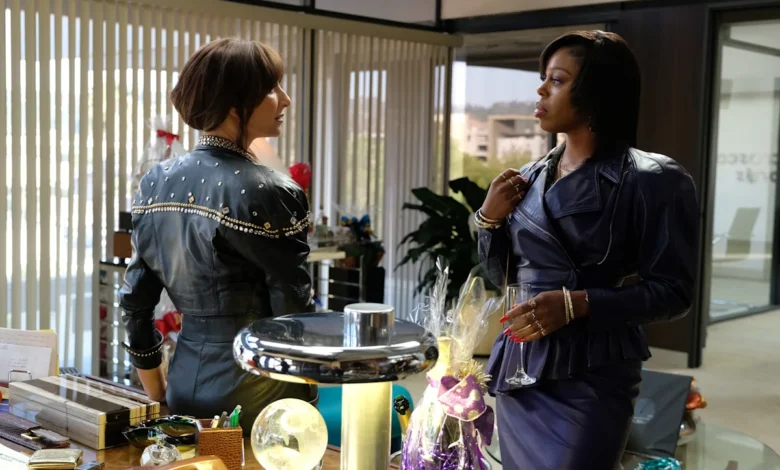
The first season finale, titled “Hercules,” left the central cast in a state of professional and personal flux. After a season of navigating the burgeoning rap scene, protagonists Wanda, played by Gail Bean, and Lamar, portrayed by Asante Blackk, found themselves at odds with sinister label executives. The season culminated in the murder of their close friend Keith, an event the record label attempted to exploit for publicity. When the label rushed the release of Lamar and Artillery’s album by replacing tracks with other artists to create a compilation, the protagonists chose to take control of their own trajectory. Spellman notes that the friction seen in the final episodes is intended to be the standard operating procedure for the world the characters inhabit moving forward.
A central theme for future seasons involves the historical shift from “conscious” hip-hop to the dominance of gangster rap. Spellman argues that this transition was not merely a natural evolution of the art form but a calculated decision by record executives who found it easier to monetize violence and materialism. He intends to show how these labels manipulated the culture over the following decades, creating what he describes as an inescapable cycle of conflict that rotted the industry from the inside out. In Spellman’s view, the series is essentially a story about a makeshift family trying to survive an industry that naturally destroys familial bonds.
The narrative specifically targets the year 1991, a period Spellman describes as a turning point. At that time, rap had not yet reached mainstream radio dominance, an event he attributes to the later release of Dr. Dre’s The Chronic. This era lacked the digital infrastructure of the modern age, leading to plot points that may seem primitive to contemporary audiences, such as a master tape heist. Spellman explains that during this period, the physical possession of tapes was the only form of leverage, and communication was so limited that finding a loved one during an emergency could take days if they were not at home.
Character development remains a priority for the showrunner, particularly regarding Lamar and Leon. Lamar, who spent much of the first season attempting to distance himself from his family, returned home in the finale to seek forgiveness from Mama G. Spellman describes this as a coming-of-age moment where the character realizes that his survival in the music business depends on the support of his family units. Meanwhile, Leon, played by Isaiah John, underwent a redemption arc that ultimately led back to the necessity of violence. After Leon killed Deon in a scheme against DG, his path mirrored the survivalist instincts established in the original Snowfall series. Spellman notes that for a Black man in 1991, navigating high unemployment and limited options meant that violence often became a defensive requirement.
Regarding the relationship between Leon and Wanda, Spellman envisions a “will they, won’t they” dynamic that serves as the emotional heart of the series. He revealed that their story is loosely inspired by his own relationship with his wife, and he intends for their journey to eventually culminate in a wedding, providing an uplifting resolution to the series’ otherwise gritty environment. He emphasized that the stakes for the couple must feel real, requiring them to fight for their connection as the pressures of the music industry increase.
While the industry elements turn darker, Spellman noted the positive community feedback the show has received, particularly regarding its soundtrack and historical accuracy. He highlighted the importance of resonance with fans who lived through the era, noting that the show aims to capture the specific struggles of 1990s Los Angeles, including the cultural memory of events like the North Hollywood shootout. As the show moves into its potential next phase, the focus will remain on the leverage labels hold over artists and the lack of independent alternatives during the early 90s, forcing the characters into increasingly uncomfortable compromises to maintain their careers.