Israel’s parliament remains deadlocked following one of the highest voter turnouts in decades in the October 27 polls, with neither Prime Minister Benjamin Netanyahu’s coalition nor the self-styled Zionist opposition alliance securing the 61 seats required for a parliamentary majority. Netanyahu’s camp came first with 53 seats—five more than the main opposition bloc—while Arab parties surged to a record 19 seats but have been relegated to observing coalition negotiations.
Viewed from a distance, the results could appear startling given the immense turbulence of recent years. The judicial reforms introduced at the start of Netanyahu’s government term in 2022 sparked the largest street protests in the nation’s history, and the prime minister remains embroiled in a corruption trial dating back to 2019. Alleged failures preceding the Hamas-led attacks on October 7, 2023, have yet to be formally reckoned with despite overwhelming public pressure, while international isolation has grown alongside multi-front military operations, including a joint strike with the United States on Iran in February that continues to affect global energy markets.
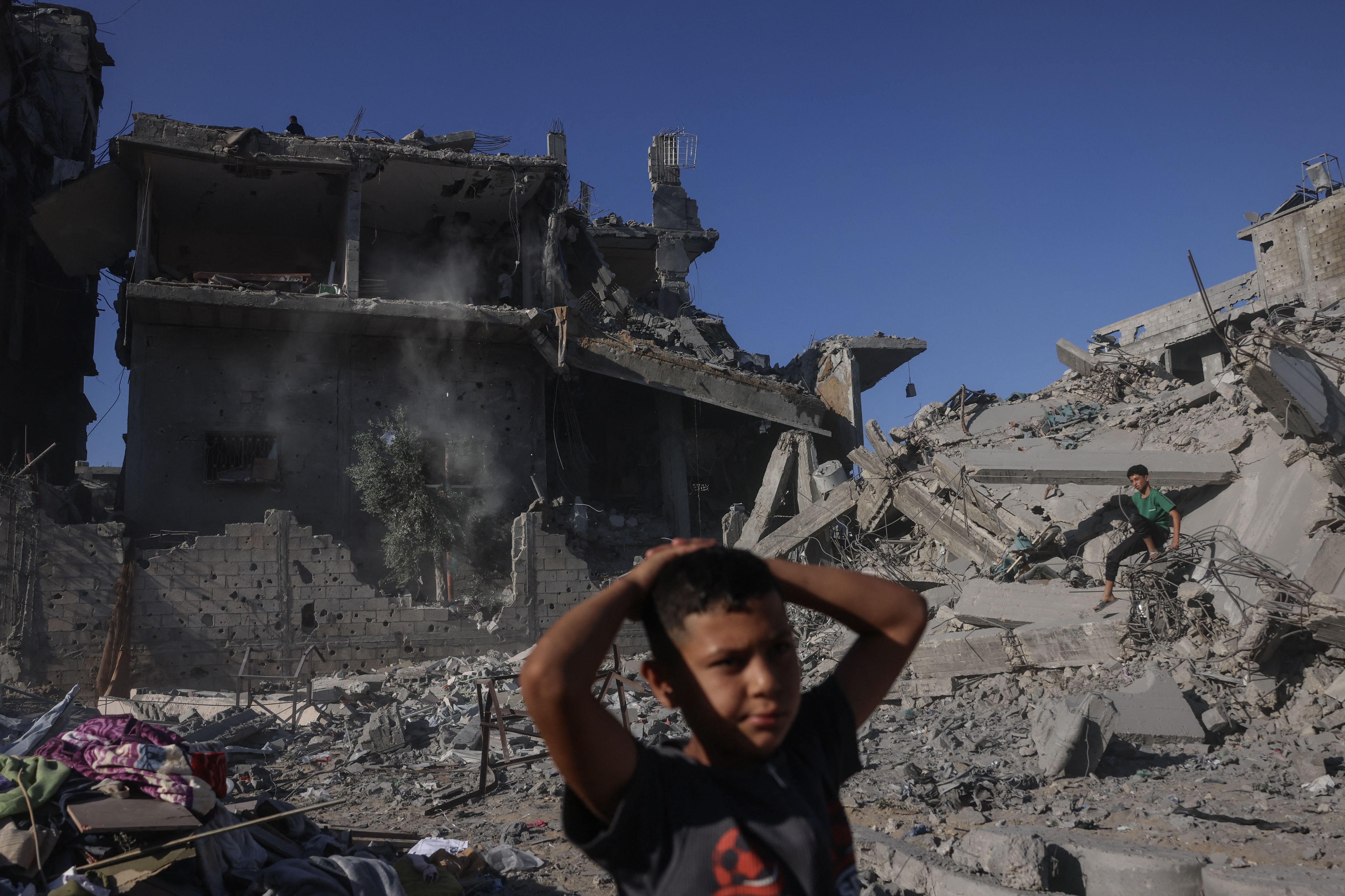
Nevertheless, approximately 2.38 million Israelis went to the polls to back Netanyahu’s coalition, led by his Likud party, while roughly 2.21 million cast ballots for the opposition alliance. Between the two major political forces, little space was dedicated to examining accusations of war crimes in Gaza—where Israeli military operations have killed more than 74,500 people and left wide areas in ruins—or government complicity in rising violence in the occupied West Bank, where a United Nations commission of inquiry reported that Israel had committed crimes against humanity including extermination, torture, and rape.
Analysts note that neither Gaza nor the West Bank became a deciding factor because both territories represented an area of broad agreement across the major political alliances. Instead, the election focused primarily on internal domestic disputes: the powers of Israel’s court system, military service exemptions for the ultra-Orthodox minority, and whether the government should face scrutiny over intelligence failures prior to the October 2023 attack.

Leading Israeli sociologist Yehouda Shenhav-Shahrabani observed that these issues were presented to the public in terms closely mirroring the rhetoric of the politicians implementing the policies. He suggested that many Israelis are aware of the devastation in Gaza despite selective media representation, but recognizing the moral and political implications is a different matter. Ordinary individuals can participate in or acquiesce to a political order that inflicts immense suffering through what he described as a powerful mechanism of denial regarding the meaning of established facts.
For Netanyahu’s supporters, however, political allegiance often transcends policy evaluations. Israeli analyst Ahron Bregman, a senior teaching fellow at King’s College London, described the prime minister’s base as functioning akin to a tribe or cult where leadership loyalty remains absolute despite legal and political controversies. For this electorate, the vote served less as a referendum on government conduct and more as a contest over political legitimacy, Jewish identity, and the future of democracy.

Roi Zur, an expert on voter behavior who teaches at Essex University, emphasized that turnout among Netanyahu’s supporters was driven largely by the conviction that an alternative coalition would prove weaker on security matters. He noted that Netanyahu successfully cultivated a campaign of fear centered on the narrative that he alone possesses the strength necessary to guide Israel through ongoing conflicts and the post-October 7 security landscape.
Ultimately, Shenhav-Shahrabani argued that war and occupation have become the enduring prisms through which generations of Israelis evaluate security, citizenship, and democratic governance, meaning that replacing the prime minister alone would not resolve the nation’s deeper systemic challenges.