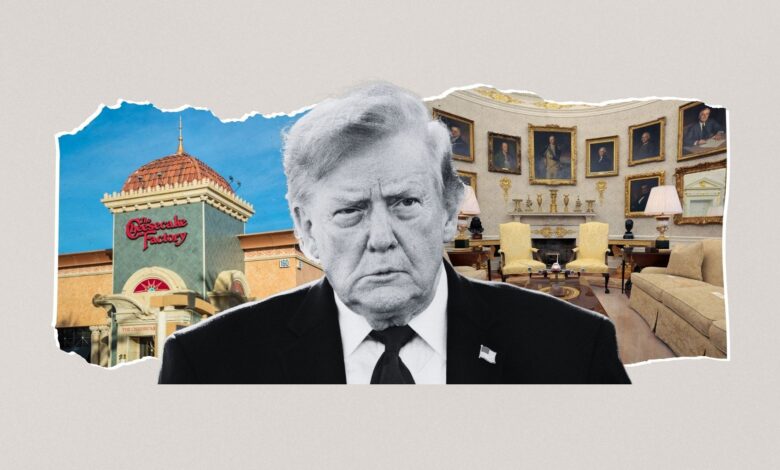
Former President Barack Obama’s remarks comparing the current White House interior to a setting inspired by Saddam Hussein and a Cheesecake Factory have ignited a sustained political dispute, drawing defensive responses from President Donald Trump and senior administration officials.
Speaking at an Ohio rally, Obama offered a sharp critique of the administration’s aesthetic choices. In the days following, Trump responded repeatedly on Truth Social, characterizing Obama as an incompetent leader and alleging ties to a Muslim Brotherhood jihadist, while telling reporters that Obama lacked intelligence. At a subsequent campaign rally in Mississippi to support Senator Cindy Hyde-Smith’s re-election bid, Trump defended the redecoration of the White House, calling the Cheesecake Factory a successful company and arguing that the executive mansion must remain clean, pristine, and beautiful.
Critics note that the Oval Office, once marked by a traditional and modest design intended to reflect the responsibilities of the presidency, has been heavily modified with gold paint and elaborate carvings, creating a cluttered environment. The defense of these design choices reflects a broader reliance within the political movement on familiar, middlebrow cultural touchstones and commercial kitsch to signal cultural alignment with its base.
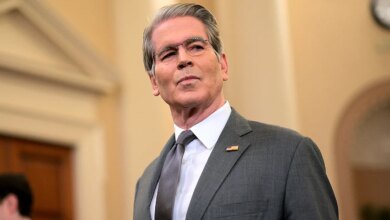
This dynamic was underscored when Treasury Secretary Scott Bessent, whose net worth is estimated around $600 million, visited a suburban Maryland Cheesecake Factory for a public photoshoot. The appearance followed other recent cultural controversies, including an outcry over a minimalist logo update by Cracker Barrel, which some political commentators and supporters framed as an assault on traditional cultural comforts.
Political analysts observe that these populist appeals seek to redefine elitism around cultural grievances rather than economic status, uniting supporters across class lines. However, observers question whether these cultural defenses can insulate the administration from mounting economic pressures. Despite Trump and key aides viewing the 2024 election outcome as an endorsement of a nationalist platform, the administration faces declining approval ratings driven by voter dissatisfaction with inflation and rising living costs.
While kitsch and nostalgia proved effective rallying points during the 2024 campaign, their political utility appears to wane as voters confront tangible economic challenges, including rising gas prices, foreign policy tensions, and economic strain. As public frustration grows, administration attempts to lean into corporate aesthetics and populist symbols face increasing skepticism from a diverse and economically pressured electorate.