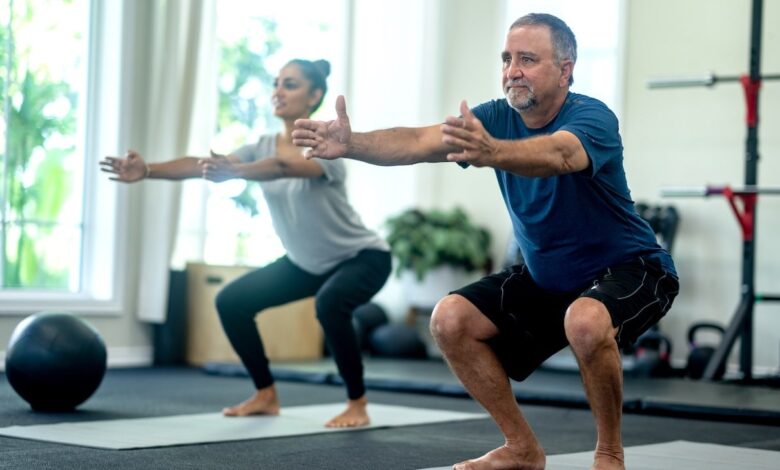
A growing body of clinical research suggests that static exercises like wall squats may offer a highly effective method for lowering resting blood pressure without requiring daily trips to the gym. A trial published in BMJ Open Sport & Exercise Medicine indicates that isometric exercise training, where muscles contract without moving the surrounding joints, produces measurable improvements in blood pressure in a matter of weeks.
The study tracked 100 inactive adults who presented with normal to high-normal blood pressure, categorized as a systolic reading between 120 and 140 millimeters of mercury. For the initial four-week period, participants engaged in lower-body isometric wall squats at home three times per week. The routine was structured around four two-minute exercise sessions, each separated by two minutes of seated rest. Researchers utilized heart-rate straps to ensure participants maintained a consistent level of effort throughout each session.
Following the four-week intervention, participants experienced an average drop of about 9.5 points in their top blood pressure number, known as systolic pressure. Their bottom numbers, or diastolic pressure, also decreased when compared against a control group.
Following the initial phase, researchers investigated whether reduced exercise frequency could maintain these cardiovascular gains. Participants were randomly assigned to continue training at frequencies of three, two, one, or zero times per week over an additional four-week period.
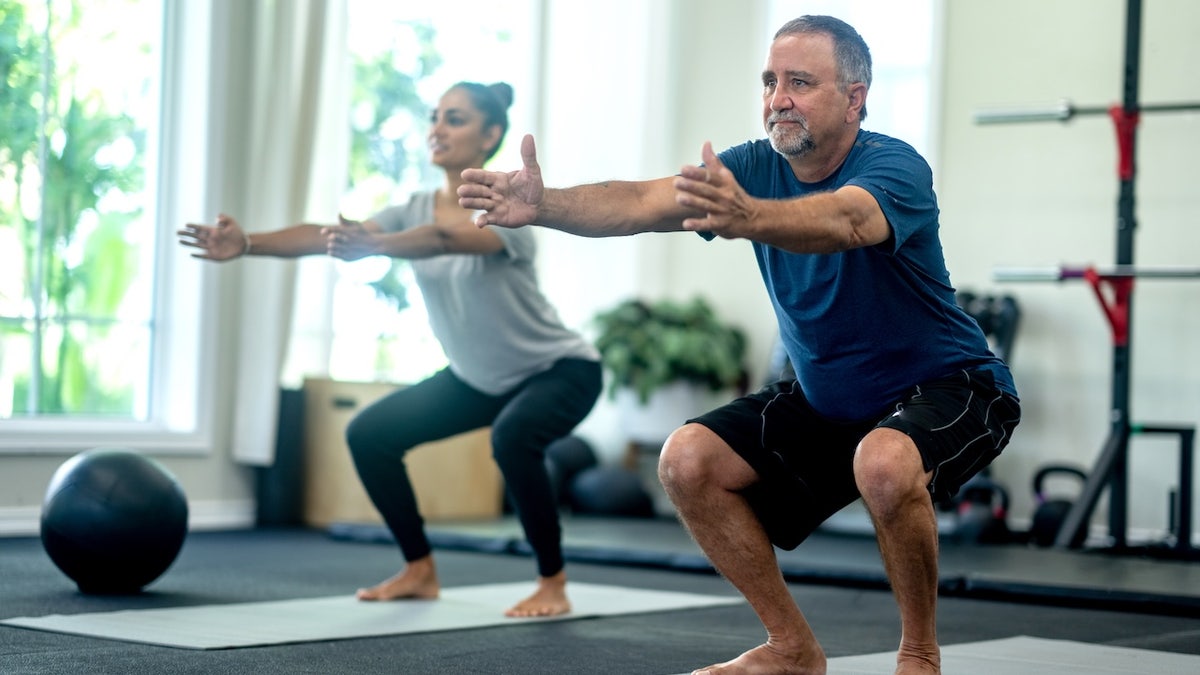
Individuals who halted the routine entirely experienced a complete reversal of their progress, with their blood pressure levels returning to baseline within four weeks. Conversely, participants who maintained a reduced schedule of training just once or twice a week successfully preserved a substantial portion of their blood pressure reductions.
Only the cohort that continued training three times weekly retained key improvements across several advanced cardiovascular metrics. These included total peripheral resistance, which tracks the resistance blood encounters within vessels; heart rate variability, measuring time variations between heartbeats; and reflex sensitivity, which indicates how efficiently the nervous system regulates blood pressure on a beat-by-beat basis.
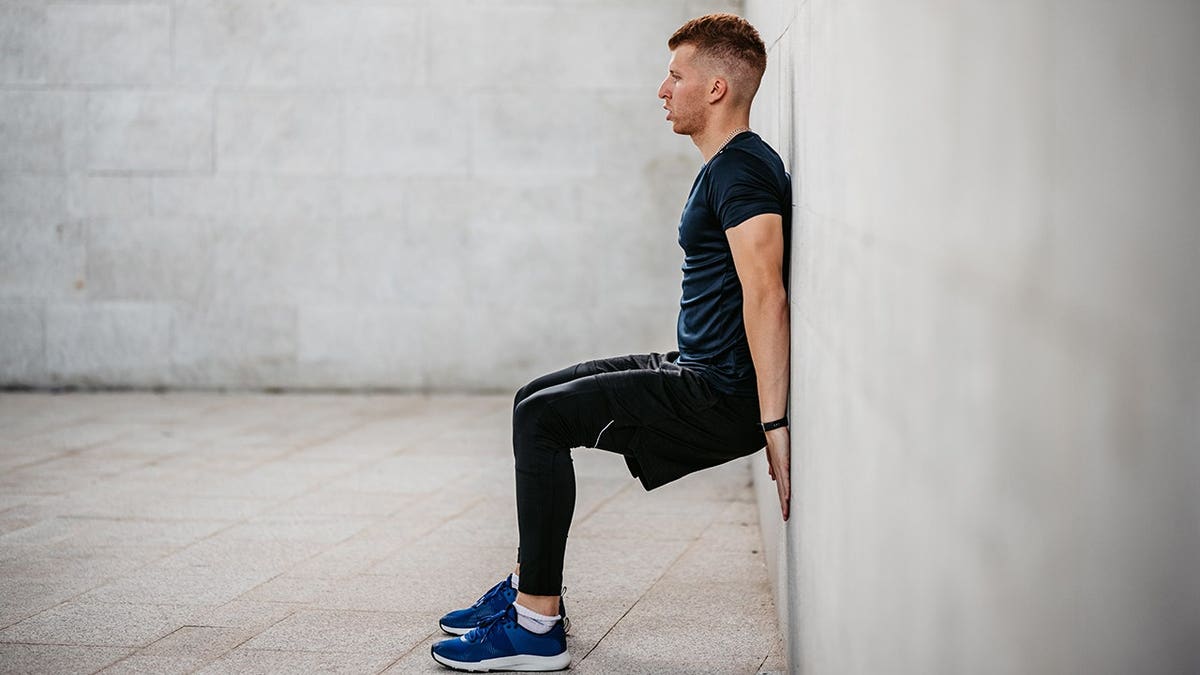
Cardiologists not involved in the trial noted that the accessible nature of isometric exercises makes them a practical option for patients. The routine requires no specialized equipment and can be performed at home at no financial cost. However, medical specialists emphasize that physical activity represents only one component of cardiovascular health.
Clinical observations suggest that dietary modifications, such as adopting a low-carbohydrate Mediterranean diet, can also yield significant improvements in blood pressure and broader metabolic health markers, sometimes allowing patients to reduce medication reliance.

Researchers acknowledged several limitations regarding the study’s scope. The trial cohort was relatively modest, comprising 100 generally healthy, non-smoking adults who were not taking blood pressure medications. Consequently, the findings cannot be automatically generalized to individuals with diagnosed hypertension, older populations facing mobility constraints, or patients currently managing heart conditions with pharmaceutical treatments.
Furthermore, because the maintenance phase of the study lasted only four weeks, investigators noted that longer-term trials are required to determine whether once-weekly sessions can sustain blood pressure reductions over extended periods lasting months or years. The study design also meant that both participants and researchers were aware of each person’s assigned exercise group, as the intervention involved physical activity.