As midterm campaigns enter their final stretch, high-profile Republican candidates in New England are working to distance themselves from national figures and the MAGA political brand, adopting a hyper-local focus to survive an unfavorable political climate.
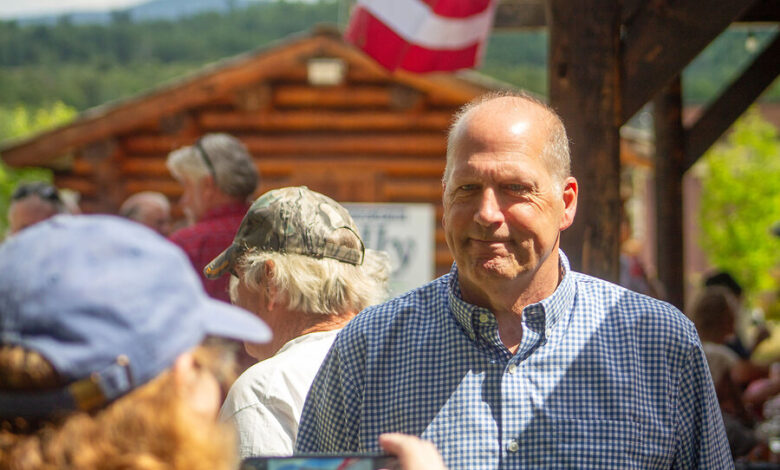
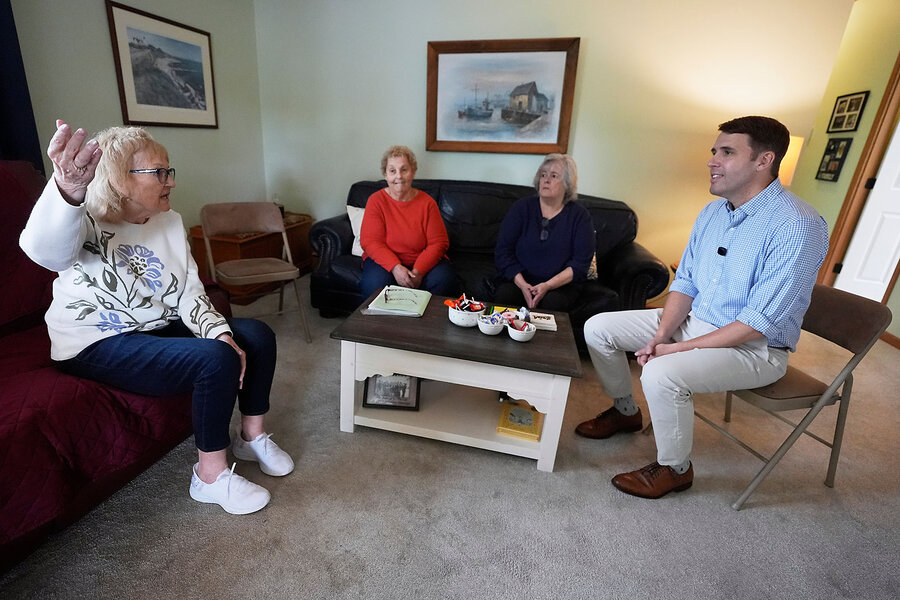
In New Hampshire, former U.S. House and Senate member John E. Sununu is running for his old Senate seat, which is opening as Democratic Sen. Jeanne Shaheen retires after three terms. Sununu, the scion of a prominent Republican political family, has leaned into state-level kitchen-table issues while downplaying national politics and avoiding national media appearances. In a television ad, Sununu pushed back against efforts by his Democratic opponent, Rep. Chris Pappas, to tie him to Donald Trump, stating he has never met the former president.
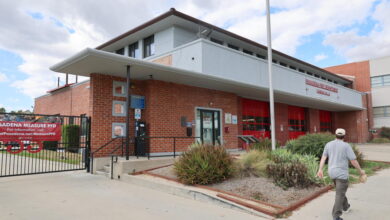
During a televised debate at Salem Public High School—which Sununu once attended—he emphasized that the next senator’s term will outlast the current presidential administration by four years. When Pappas expressed support for impeaching Defense Secretary Pete Hegseth, Sununu did not rule it out, and both candidates agreed that Congress needs to exert greater authority over spending, tariffs, and war.
While Pappas has shared campaign stages with prominent national Democrats like California Gov. Gavin Newsom and former Transportation Secretary Pete Buttigieg, Sununu has largely campaigned alone. New Hampshire GOP strategist Mike Biundo described Sununu’s strategy as the classic New Hampshire path, noting that running local and detached is the only viable approach for candidates on Democratic-leaning turf.
Just north in Maine, Republican Sen. Susan Collins is locked in a tight race for her sixth term against Democratic challenger Troy Jackson, a working-class logging community native who currently holds a slender lead in most polls, well within the margin of error. Collins, who grew up in Caribou, has relied on her role as chair of the Senate Appropriations Committee to funnel federal dollars to Maine projects, pointing to local infrastructure like firehouses, fitness centers, and a recently opened wastewater treatment facility in Windham.
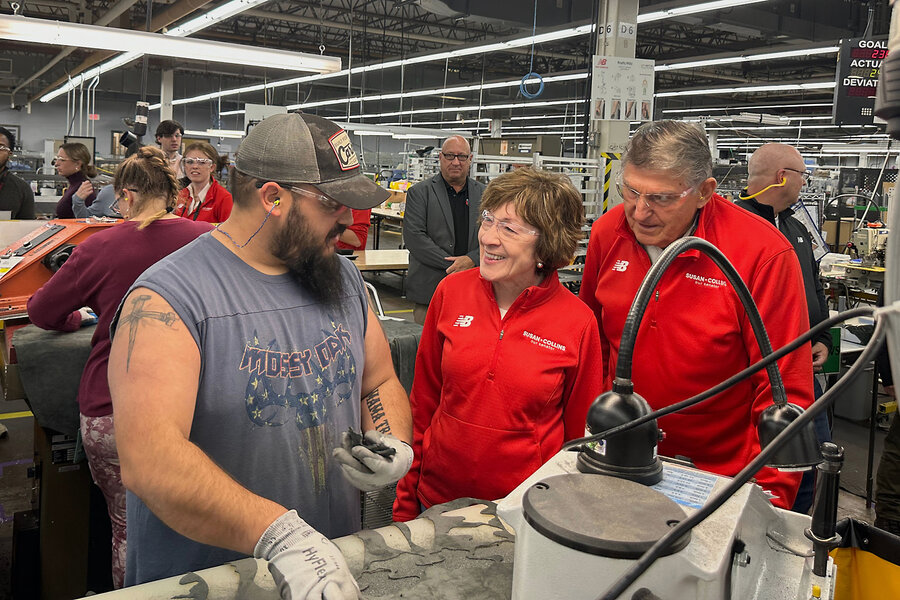
Neither Collins nor Sununu has invited Trump or national surrogates to campaign in their states. Instead, Collins recently toured a New Balance shoe factory in Norway, Maine, alongside former West Virginia Sen. Joe Manchin, an independent who praised her as a bipartisan ally.
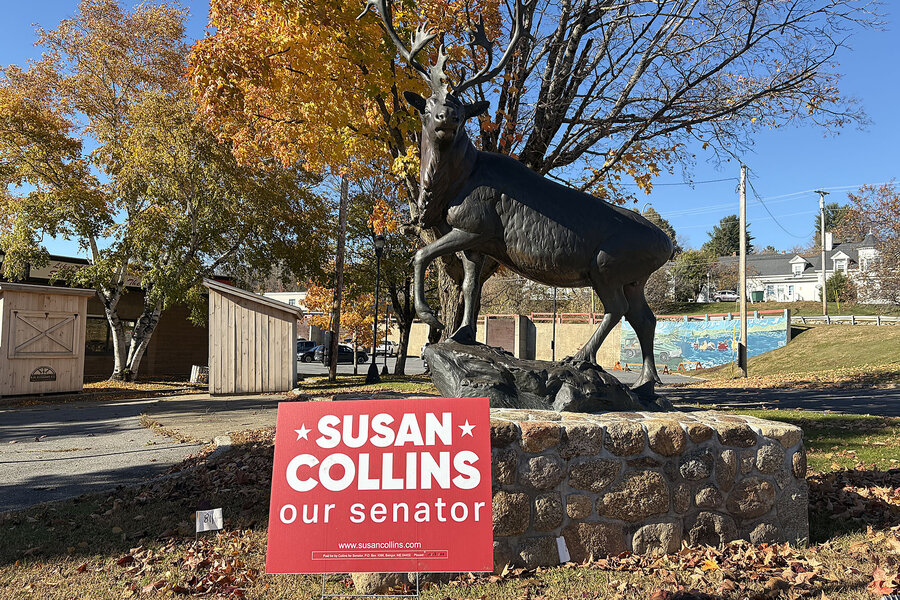
Independent voters, who make up about a third of the electorate in Maine, previously handed Collins victory in 2020 even as Trump lost the state by nine percentage points. However, voters remain divided on her record. Some constituents credit her with standing up to the administration and securing federal aid, while others express frustration over tariffs that have depressed cross-border trade and her past vote to confirm Supreme Court Justice Brett Kavanaugh.
Haroled “Trey” Stewart, the Maine state Senate minority leader from Aroostook, warned voters against ousting Collins, emphasizing her seniority and leadership on the Appropriations Committee. Beyond New England, other regional races show similar dynamics, with Vermont Republican Gov. Phil Scott seeking a record sixth term against Democrat Amanda Janoo, and New Hampshire Gov. Kelly Ayotte appearing on track for reelection.
Outside the Northeast, Senate contests in states like Minnesota and Michigan have tightened amid local controversies and presidential endorsements, but candidates in New England continue to bank on independent streaks and localized engagement to retain their competitive footing.