
The October 2026 death of 28-year-old Darya Shipilova, a laboratory technician at a Russian research institute, has brought renewed scrutiny to the monitoring of facilities that study dangerous pathogens. Shipilova’s employer has rejected local media reports suggesting she may have been exposed to the plague following a broken test tube. Russian authorities maintained that no plague cases have been documented in the area, officially attributing her death to pneumonia.
Despite official denials, the incident has highlighted ongoing transparency concerns regarding laboratories in opaque nations. The World Health Organization stated that additional information is required to properly assess risks, noting that laboratory exposure cannot be fully ruled out at this stage. While the plague is treatable with antibiotics when detected early, Russian secrecy surrounding testing protocols complicates verification, particularly since officials reportedly learned of Shipilova’s death through media reports rather than official communication channels.

Historical precedents further complicate oversight. Russia has maintained a history of reticence regarding past disease outbreaks, and the U.S. State Department has asserted that Moscow maintains an illegal biological weapons program. While nations such as the United States study endemic pathogens to formulate vaccines and treatments, questions persist regarding whether Russian researchers are engaged in gain-of-function experiments designed to increase pathogen lethality.
In response to domestic biosafety concerns, the White House has pursued heightened oversight for federally funded high-risk life sciences research both domestically and abroad. However, researchers have cautioned that broad regulatory restrictions could hamper legitimate scientific inquiry while failing to address foreign-funded laboratory risks. Physical monitoring presents distinct hurdles; an initiative to incorporate mandatory site visits into the international biological weapons convention collapsed in 2001 amid U.S. national security and intellectual property protections, and satellite surveillance cannot determine interior activities within high-containment biological facilities.
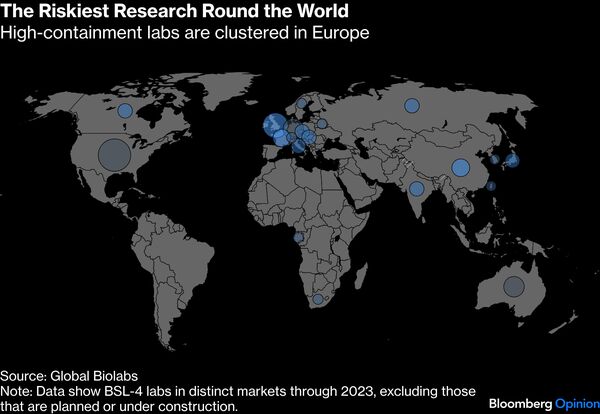
Addressing these vulnerabilities requires expanded international collaboration, particularly as artificial intelligence capabilities advance and lower barriers for malicious actors. Increased transparency regarding safety protocols, high-security research, and site inspections would bolster institutional trust. Furthermore, bilateral cooperation between major powers such as the United States and China remains vital, including shared safety standards and bipartisan U.S. legislative proposals mandating customer screening by providers of synthetic nucleic acids.
Preventing biological threats ultimately depends on robust global partnerships rather than isolated domestic surveillance. International bodies such as the World Health Organization continue to serve as essential intermediaries among hesitant nations, while sustained international research funding and local networks remain indispensable for securing early intelligence on emerging health risks.