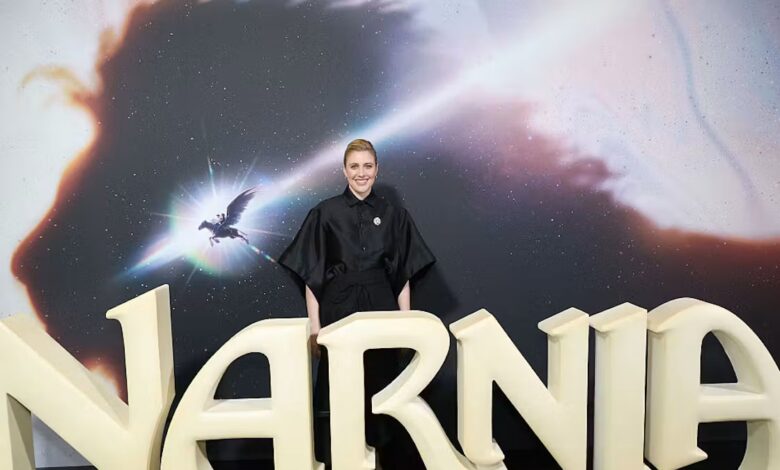
The ongoing creative efforts to adapt The Chronicles of Narnia for contemporary audiences highlight a recurring cultural friction between aesthetic spectacle and underlying moral substance. Critics and cultural observers point out that modern secular translations of C.S. Lewis’s work frequently elevate sensory experience and celebrity-driven glamour over the theological and moral architecture that anchors the original stories.
C.S. Lewis originally composed his beloved fantasy series during a period when Western society was actively secularizing but retained a deep cultural familiarity with traditional symbols of royalty, fatherhood, and liturgical ritual. For readers in the 1940s, figures like a resurrected male lion evoked powerful historical and literary echoes, ranging from King Arthur and Odin to coronation ceremonies and scriptural passages about the Lion of Judah. These traditional tropes served as a bridge connecting aesthetic appreciation to objective theological truths.
In contrast, contemporary cultural production often operates within a post-Christian framework where traditional symbolic language is disconnected from its original concepts. When modern filmmakers approach such source material, aesthetic choices can sometimes reflect a distinct cultural background that prioritizes stylistic subversion and emotional intensity over doctrinal or moral coherence. For instance, casting choices or stylistic directions that reimagine iconic figures through the lens of rock-and-roll aesthetics risk treating the character’s power as a product of surface-level charisma rather than divine authority and sacrifice.
This division underscores a broader philosophical split between prioritizing moral components versus centering aesthetic taste. In societies where objective truth is set aside, morality frequently devolves into matters of personal taste, which naturally gravitate toward the shiny, the provocative, and the arousing. Defenders of contemporary artistic interpretations often retreat to the language of sophisticated taste, framing traditionalist objections as unadventurous or lacking cosmopolitan appreciation.
At the same time, cultural critics note that religious audiences often swing toward an opposing error of Stoicism, rejecting emotional engagement altogether. C.S. Lewis designed Narnia not merely to convey abstract propositions, but to make moral truths come alive for the human imagination. He recognized that truth claims must engage human desires and emotions, because emotionless facts rarely motivate action on their own.
Ultimately, while large-scale cultural events—such as major arena concert performances featuring surprise musical icons—can evoke powerful feelings of awe and transcendence that mimic spiritual revelation, commentators emphasize that these aesthetic experiences remain distinct from actual moral and spiritual transformation. The enduring appeal of literature like Narnia lies precisely in its capacity to point beyond mere sensory spectacle toward deeper, defensible truths about human existence.