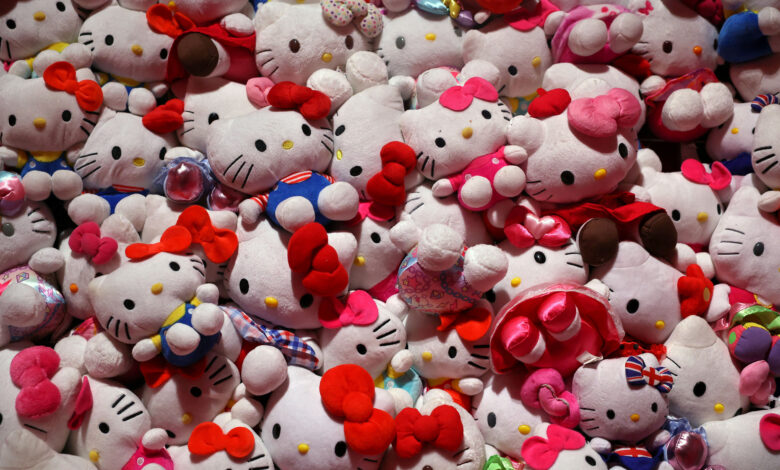
Hello Kitty manufacturer Sanrio has terminated its collaboration with a Japanese television spy drama following a wave of public condemnation in China. The decision marks the second high-profile corporate clash in China within days, underscoring the delicate balance foreign companies and international figures must maintain while operating in the world’s second-largest economy.
The announcement was issued on Wednesday by Sanrio’s Chinese subsidiary, arriving shortly after French soccer player Kylian Mbappe issued an apology for remarks regarding late Chinese leader Mao Zedong, an incident that prompted several Chinese sponsors to sever ties with him.
At the center of the controversy is the hit series VIVANT, produced by Japanese broadcaster TBS and distributed internationally on Netflix. The program follows a group of Japanese intelligence operatives and a fictional terrorist organization named Tent. The ongoing season features storylines depicting a fictional Chinese intelligence agency capturing and torturing Japanese spies.
Chinese public anger regarding a merchandise line featuring Hello Kitty and other soft toys dressed as characters from the spy program had been growing on social media platforms for days. The backlash intensified significantly this week as Chinese state media escalated criticism of the partnership.
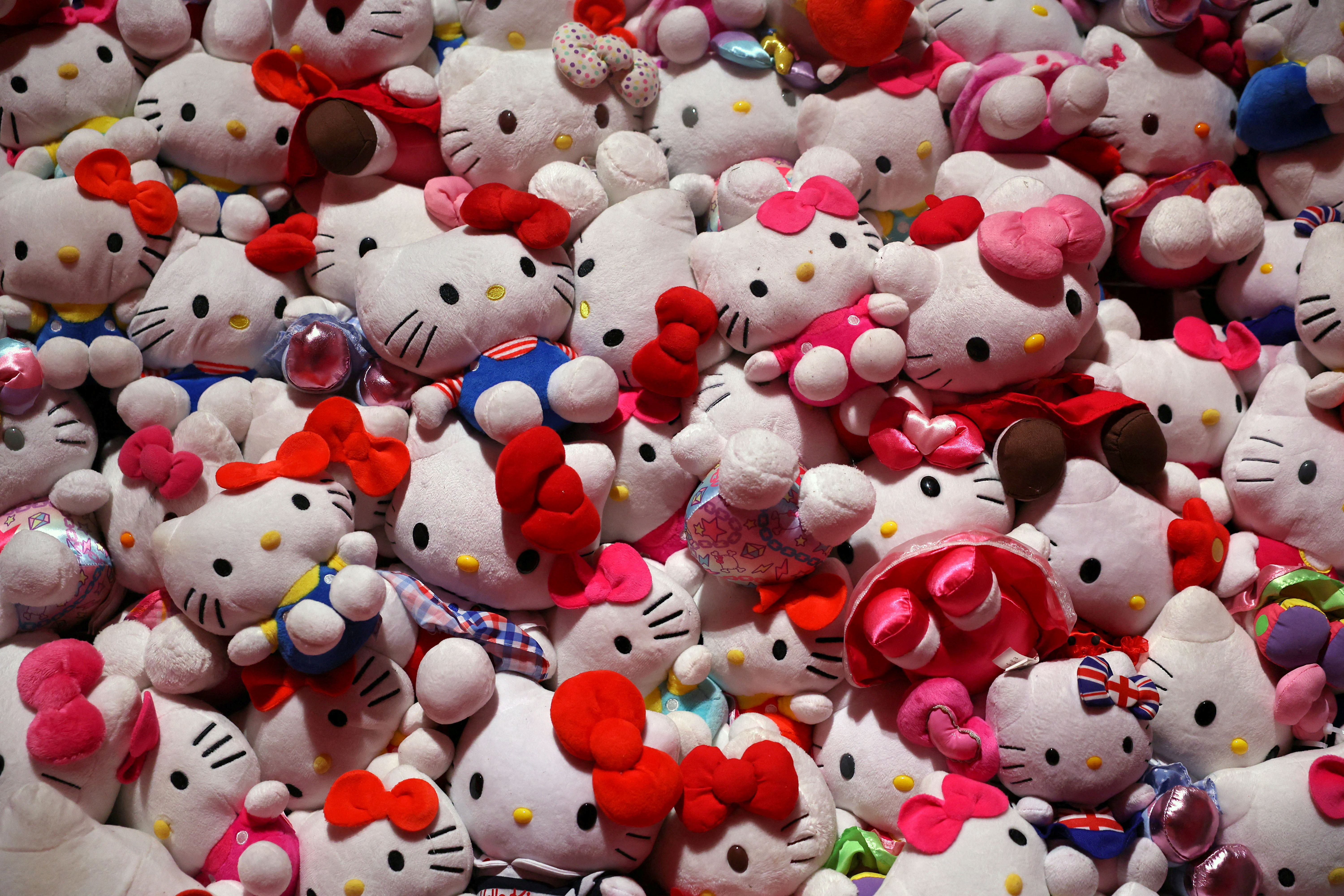
In an official statement, Sanrio’s Chinese subsidiary addressed the controversy directly. The company stated that it deeply apologized for the concern caused and acknowledged that the collaboration contained expressions inconsistent with the corporate philosophy of the Sanrio Group, leading to the decision to terminate the partnership alongside all subsequent projects and promotional activities.
Broadcaster TBS did not immediately respond to requests for comment regarding the cancellation. However, TBS President Masamine Ryuho addressed the controversy during a regular press conference on Wednesday, telling local media that the drama is entirely fictional and was produced with no intention of disparaging any specific country.
Diplomatic relations between China and Japan have deteriorated significantly since Japanese Prime Minister Sanae Takaichi stated late last year that a hypothetical Chinese attack on democratically ruled Taiwan could provoke a military response from Tokyo. In the wake of those remarks, Beijing has discouraged its citizens from traveling to Japan and restricted exports of vital rare earth minerals essential for manufacturing automobiles and defense equipment.
Despite the strained bilateral relations, numerous Japanese corporations remain heavily dependent on Chinese consumer markets for revenue. Sanrio reported first-quarter sales of 9.8 billion yen, equivalent to approximately $62 million, in China, representing a nearly 25% increase compared to the same period in the previous year.