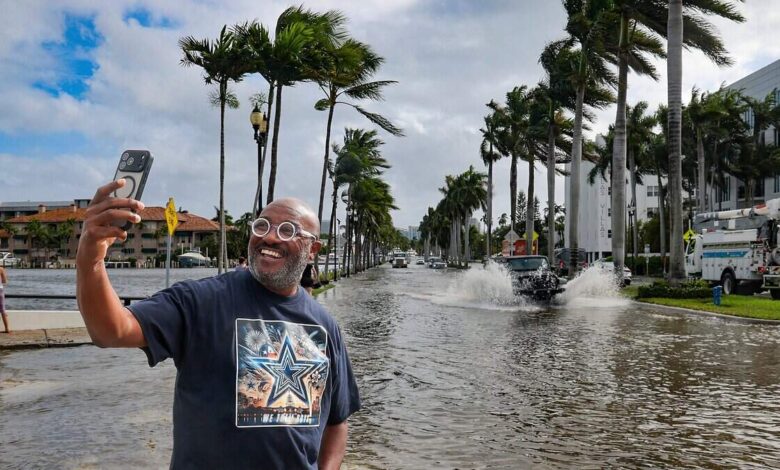
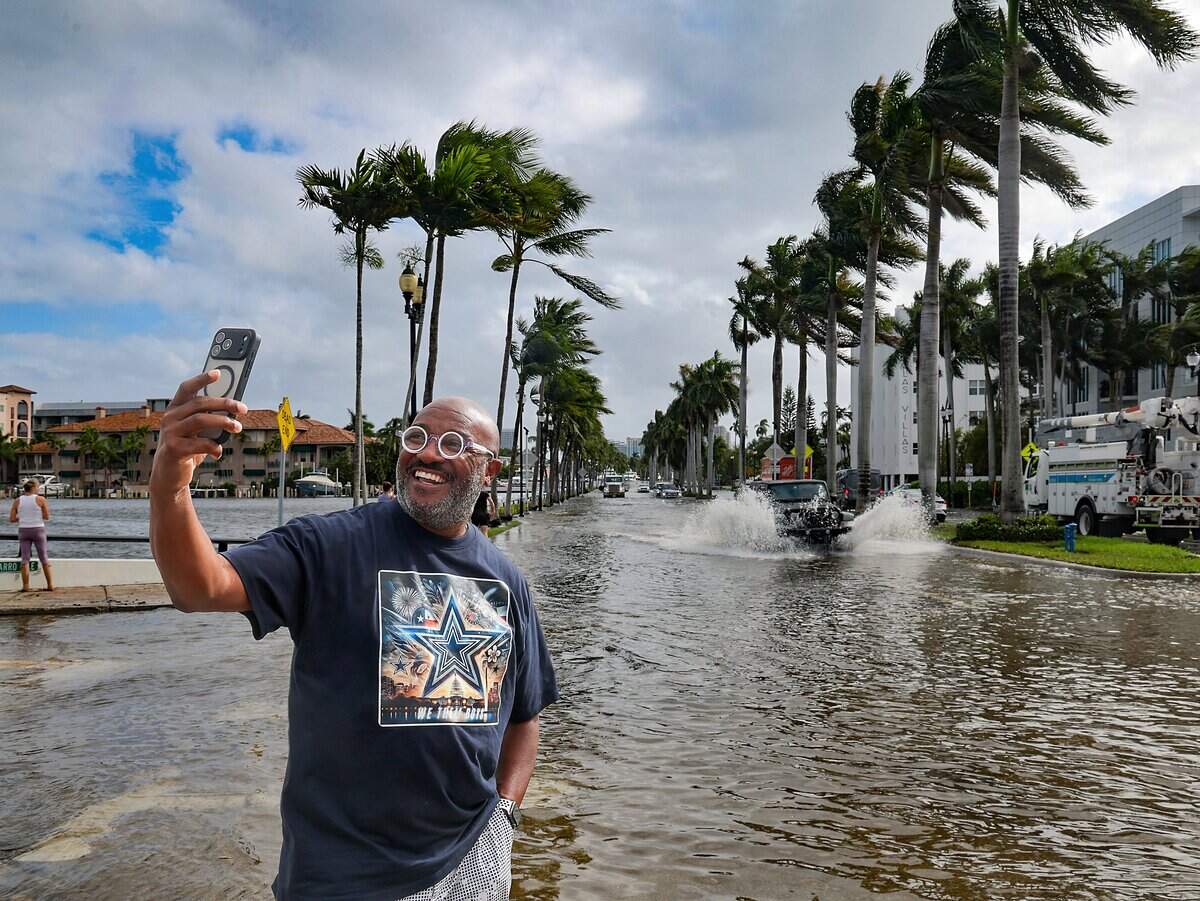
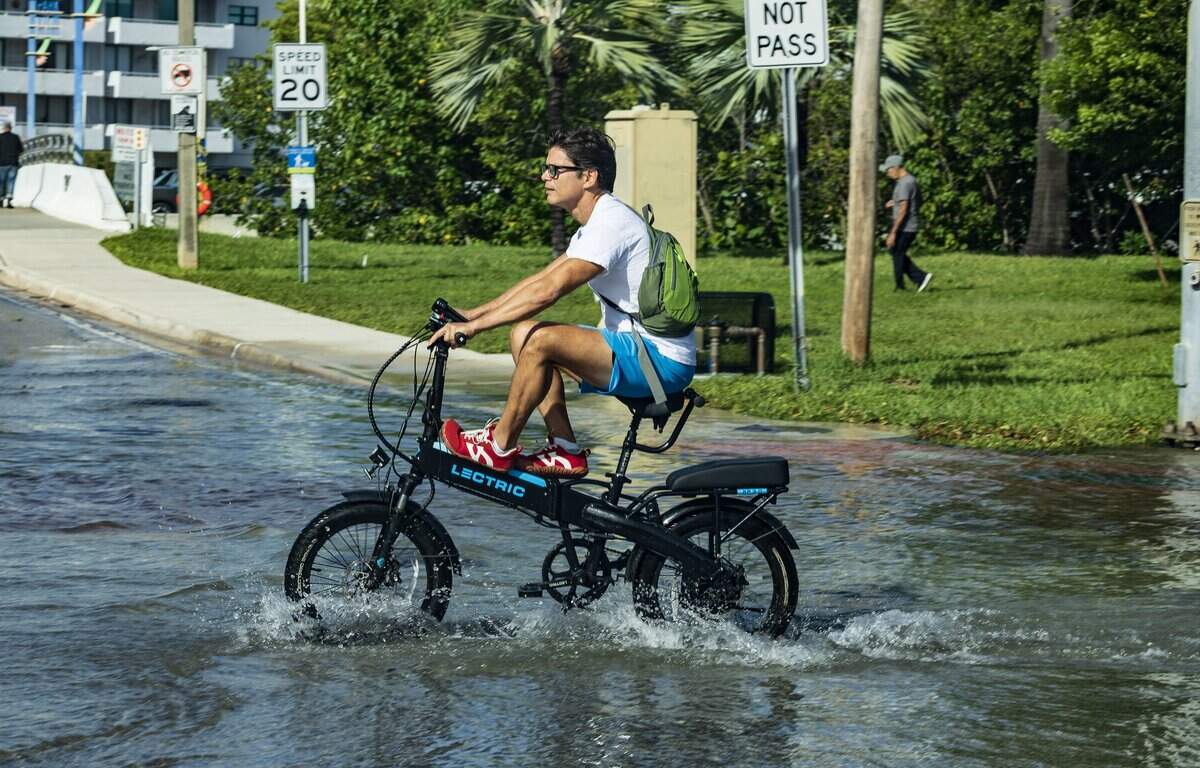
A historic king tide, intensified by a confluence of onshore winds and long-term sea level rise, sent record volumes of saltwater surging into South Florida’s streets this week, leaving coastal communities from Miami to West Palm Beach struggling with major flooding. The surge submerged major thoroughfares, stalled vehicles in deep intersections, and pushed seawater into storefronts, marking the highest water levels recorded in the region outside of a hurricane or tropical storm.
While king tides—the highest tides of the calendar year—are predictable, scientists noted that this week’s event was uniquely aggressive. A low-pressure system passing along the coast acted as a mechanical force, “bulldozing” water toward the shoreline. The result was a water level in Miami and Fort Lauderdale approximately 2.5 feet above the average high tide, a threshold the National Weather Service classifies as major flooding.
Data from the Virginia Key tide gauge near Miami showed that this event reached the highest level recorded since the station was installed in 1994, excluding hurricane events. The only surge to surpass it in recent decades was Hurricane Irma in 2017, which brought 3.6 feet of water above the high tide mark. This week’s tide effectively tied the marks set during Hurricane Wilma in 2005 and Hurricane Irene in 1999. In Fort Lauderdale, Port Everglades gauges registered water levels that broke a previous record set just last month, reaching heights unseen since the station’s installation in 2018.
In Fort Lauderdale, the flooding forced officials to shut down the Las Olas Bridge, causing significant traffic congestion as saltwater pooled on both sides of the span. Residents and workers described an environment where daily routines became impossible. Pedro Arraz, a 21-year-old manager at Chima’s Steakhouse, said the water rose so high outside the restaurant that he was unable to open the doors for fear of flooding the workplace. He was eventually forced to walk nearly a mile through floodwaters to reach his car, which he had moved to a higher lot at a nearby convenience store to prevent water damage.
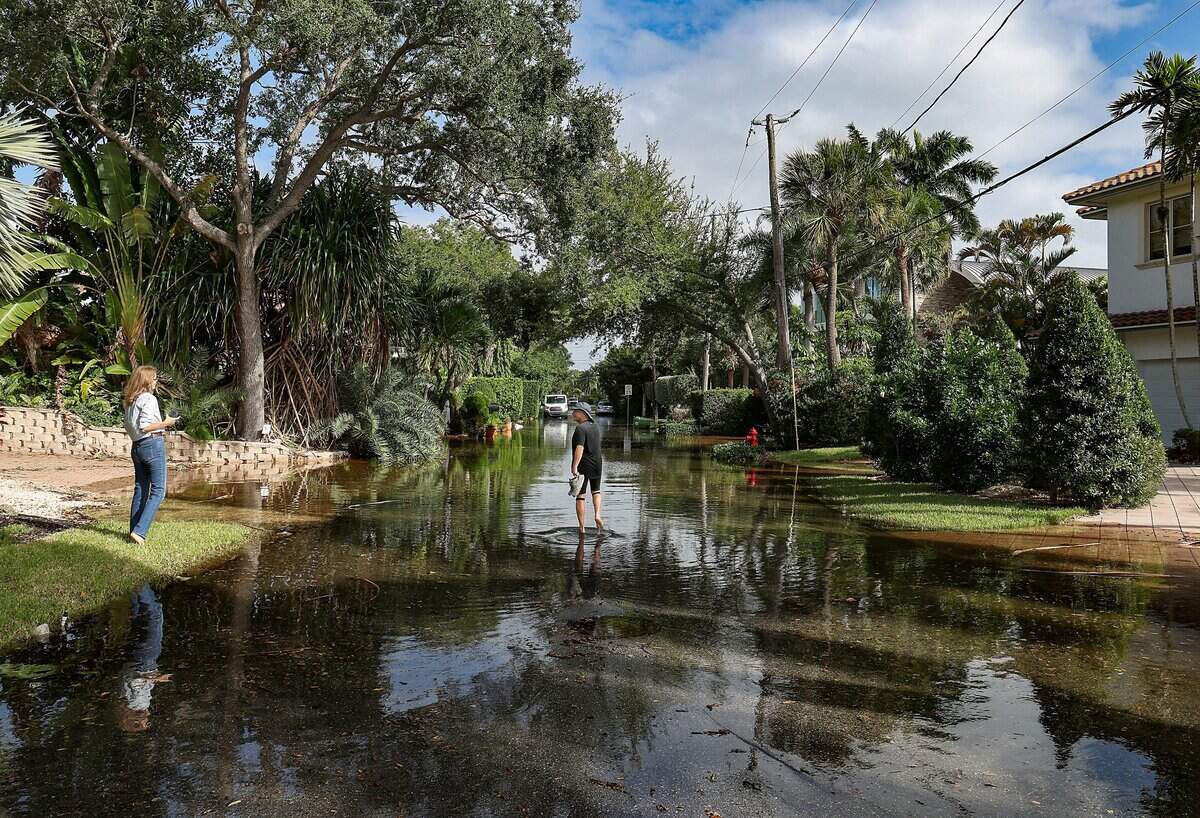
Further south in Miami Beach, neighborhoods like those along Crespi Boulevard saw entire blocks submerged. Residents were seen using brooms to push water away from their doorsteps, while others waded barefoot through the streets to reach their vehicles. The flooding reached the front yards of homes that had previously stayed dry during typical seasonal tides.
Beyond the immediate inconvenience, the event exposed critical vulnerabilities in South Florida’s infrastructure. In Miami Shores, the city’s golf course was forced to close for several days after water submerged the fairways. Near the 12th hole, a flood control barrier managed by the South Florida Water Management District failed to function as intended. Rather than allowing water to drain into Biscayne Bay, the high sea levels caused water to flow backward over the barrier and into the canal system. Similar failures were reported at drainage structures in the Little River and North Miami Beach areas.
District managers have long warned that the region’s 80-year-old drainage systems are increasingly inadequate in the face of rising seas. While $150 million in federal funding for the Building Resilient Infrastructure and Communities (BRIC) program was recently reinstated after a period of uncertainty, the projects remain in the permitting and negotiation phases. Officials say that without the installation of larger pumps and more advanced gates, the gravity-based systems that once protected these neighborhoods will continue to be outmatched by the rising Atlantic.
Since 1994, Miami has recorded approximately eight inches of sea level rise. Research indicates a clear trend toward an increasing number of hours where tides exceed the high-water mark. Experts at Florida Atlantic University’s Center for Urban and Environmental Solutions note that while cities are spending hundreds of millions of dollars on mitigation, the efforts often remain reactive rather than proactive.
Scientific projections suggest South Florida could face an additional two feet of sea level rise by 2060, and potentially as much as six feet by the end of the century. As the current round of king tides is expected to persist through at least Wednesday, residents like investment banker Gonzalo E. Vazquez, who has lived in the Las Olas area since 2006, expressed a growing urgency for permanent solutions. Vazquez noted that while he had seen high water before, the frequency and severity are reaching a tipping point that requires more than just temporary road closures.