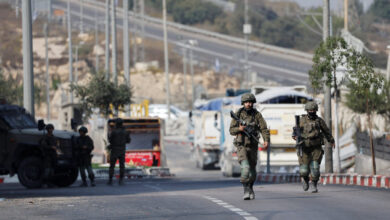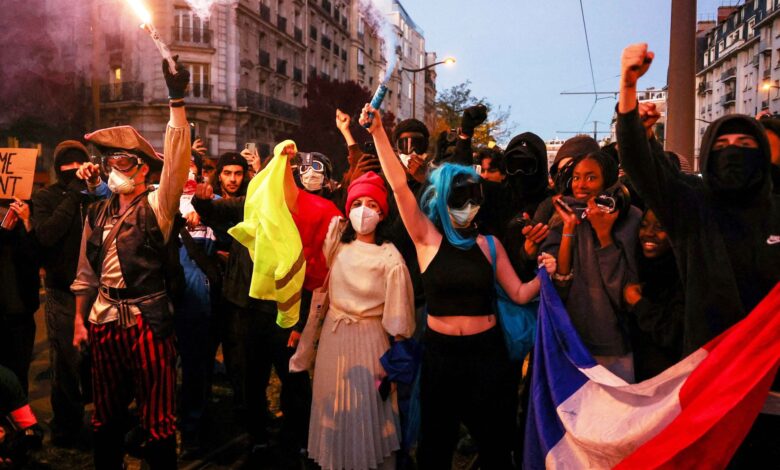
International media coverage in recent weeks has frequently portrayed France through dramatic images of burning buildings and damaged commercial districts, using headlines that declare the country to be in turmoil. This narrative often focuses intensely on the more volatile aspects of otherwise peaceful student movements demanding improved educational conditions.
To understand these ongoing demonstrations, historians suggest examining how the term violence is deployed. Observers often apply the label indiscriminately to broken windows, torched vehicles, police injuries, or gunfire, thereby placing material damage, attacks on individuals, public revolt, and state repression on the same conceptual level. Brazilian archbishop Dom Helder Camara, a prominent voice in liberation theology, historically categorized three types of violence: oppressive injustice, the resulting revolt, and the subsequent repression. Analysts often add a fourth dimension: the structural violence of inequality, social humiliation, and precarious living conditions, noting that an established social order can remain violent even during periods of apparent tranquillity.
French history demonstrates that revolts, structural injustices, and official repressions are deeply intertwined. The storming of the Bastille on July 14, 1789, marked an armed insurrection against an absolute monarchy where defenders fired on assailants, killing approximately 100 people. Following the fortress’s capitulation, governor Bernard-Rene Jourdan de Launay was killed, and his head was paraded on a pike. In the weeks that followed, peasants invaded aristocratic properties to burn feudal deeds representing centuries of legal domination. A similar dynamic appeared on August 10, 1792, when revolutionaries overthrew the Tuileries Palace, resulting in hundreds of deaths among the Swiss Guards, while subsequent panic during foreign invasions led armed groups to execute more than 1,000 prisoners in September.

Throughout the 19th century, systemic pressures continued to drive collective unrest. In February 1831, an anticlerical crowd targeted the archbishop’s palace in Paris, destroying furnishings associated with the deposed monarchy. Later, in 1871, disaffected Parisians established the Paris Commune following France’s defeat in the Franco-Prussian War. The subsequent bombardment by the Versailles army and the execution of hostages culminated in the bloodshed of Bloody Week, during which thousands of Parisians were killed.
Beyond grand insurrections, social friction frequently manifested as labor mobilization targeting factories, machinery, and management. On January 26, 1886, in Decazeville, miners angered by poor working conditions killed engineer Jules Watrin, deputy director of local mines, creating the historical term watrinade for the killing of a manager. Similar labor disputes sparked unrest in Armentieres in 1903 and Limoges in 1906, where porcelain plants were damaged and explosives detonated near a director’s home. The student and worker protests of May 1968 brought millions onto the streets, featuring barricades, overturned vehicles, and the captivity of Sud Aviation’s director in Nantes.
Subsequent deindustrialization generated new waves of labor conflict. In 1979, steelworkers in Longwy and Denain protested massive job cuts by damaging subprefecture property in Briey. Similar clashes followed at the Continental plant in Clairoix in 2009, during executive confrontations at Air France in 2015, and amid opposition to labor law reforms in 2016. The yellow vest demonstrations of 2018 brought unprecedented visibility to economic grievances, resulting in damage to the Arc de Triomphe and widespread looting alongside severe injuries inflicted on protesters by law enforcement.
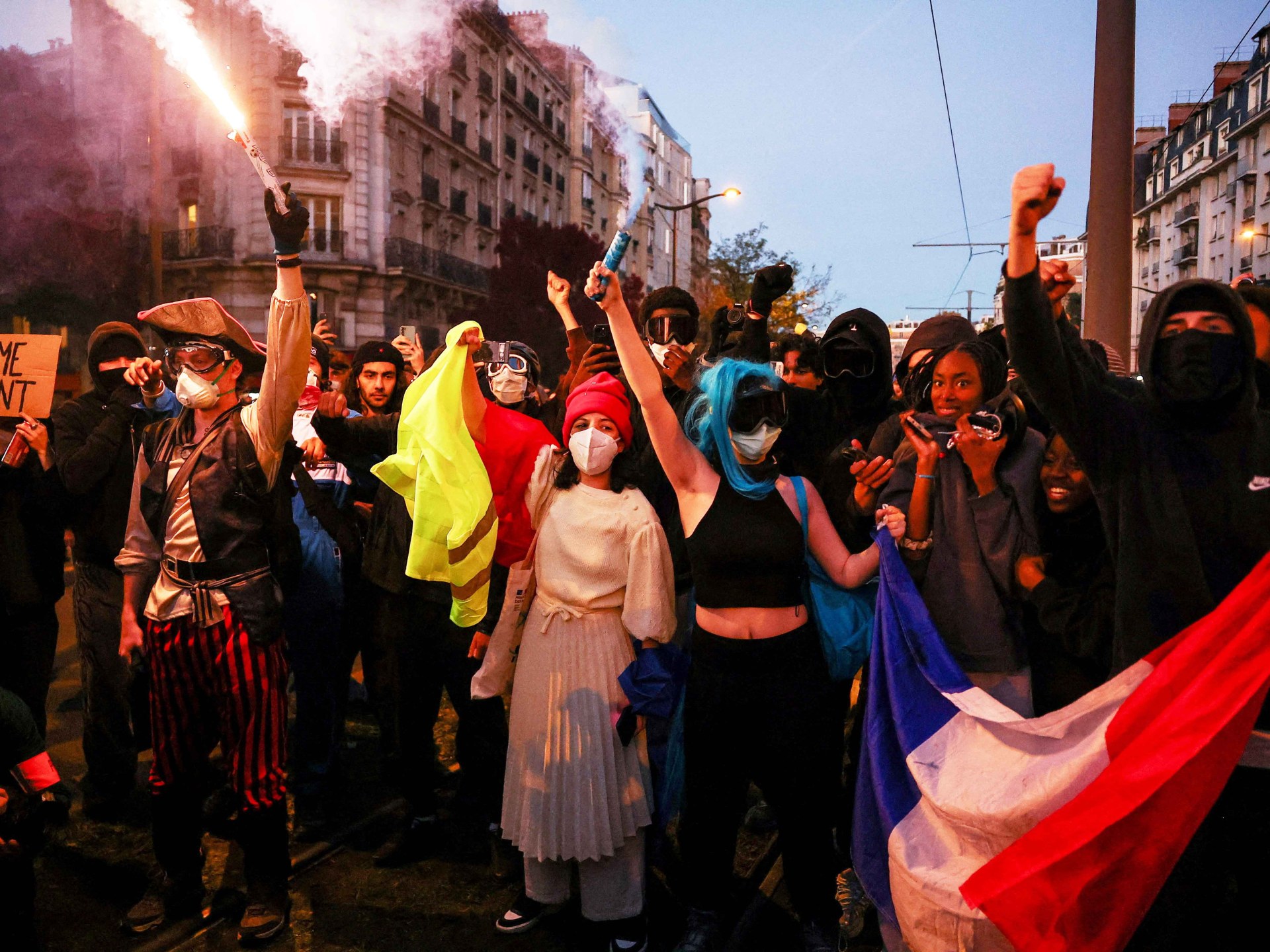
Agricultural and fishing sectors have also staged prominent protests targeting state representatives and public buildings. In 1994, a demonstration by fishermen opposing industry crises led to clashes that accidentally ignited a fire destroying the Parliament of Brittany, while farmers ransacked the office of Environment Minister Dominique Voynet in 1999.
Other outbreaks followed specific tragedies that crystallized accumulated social tensions. The 2005 deaths of Zyed Benna and Bouna Traore sparked urban unrest across working-class neighborhoods in Paris, resulting in thousands of burned vehicles and attacks on public buildings. Eighteen years later, similar widespread demonstrations erupted following the police killing of Nahel Merzouk in Nanterre.
Historical analysis suggests that popular violence is neither uniform nor unprecedented. While spectacular destruction is frequently carried out by minorities within larger, peaceful movements, it often functions as a political language directed against institutions perceived as unresponsive or unjust. Observers argue that focusing solely on demonstrators’ tactics risks obscuring the broader societal conditions that generate such friction.