Immigration Attorney Analyzes Legal Prospects for 69 Cubans Deported to Central African Republic

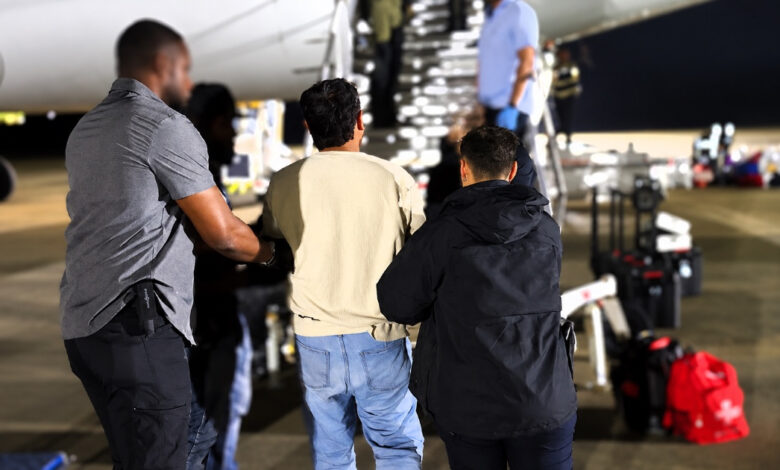
The legal pathways for the 69 Cuban nationals recently deported to the Central African Republic depend heavily on the specific status each person held within the U.S. immigration system before their removal, according to immigration attorney Wilfredo “Willy” Allen.
The group, consisting of 64 men and five women, departed on October 21 from Alexandria, Louisiana, marking the largest third-country deportation flight of Cuban nationals to date. While many in the group lack criminal records and were targeted primarily for entering the United States without authorization, Allen outlined three distinct categories with vastly different legal outlooks for any potential return.
The first category involves individuals deported due to criminal backgrounds. Allen stated that those who were removed based on criminal convictions face no prospect of returning, though he noted that such cases represent a minority within the larger group.
The second category encompasses those who exhausted all administrative avenues within the asylum system, receiving final denials from an immigration judge and the Board of Immigration Appeals. For these individuals, the outlook remains extremely difficult but not entirely closed. Allen suggested that if federal courts eventually recognize the I-220A form as equivalent to the parole required under the Cuban Adjustment Act, some individuals in this group might attempt to reopen their cases from abroad.
The third and most promising category includes individuals who were deported without receiving a final resolution on their matters. Allen noted that these people hold the strongest chance of returning through federal court intervention. This group includes at least one or two individuals whose legal proceedings were still active, such as a case where a habeas corpus petition had been filed but left unanswered prior to the deportation flight. Allen described that situation as tragic while confirming that a valid chance of return exists if the deportation order lacked finality.
Any legal challenges face a significant jurisdictional obstacle stemming from the location of departure. Louisiana falls under the jurisdiction of the federal Fifth Circuit, which issued a full-court ruling by a 10-7 vote in the case of Sosnava Rodriguez v. Ortega. The decision upheld the detention without bond of undocumented migrants and effectively blocked most habeas corpus challenges within that region. Allen characterized the Fifth Circuit as the nation’s most conservative appellate court, noting its history of issuing restrictive rulings on immigration.
Meanwhile, conditions for the deportees in Bangui remain precarious. The group arrived in the Central African Republic in handcuffs, stripped of migration documents, legal status, and work authorization, relying on basic support from United Nations agencies for housing. A separate Cuban national deported in August, Yasmany Moreno de Armas, released video testimony detailing the severe conditions faced by deportees in the country, highlighting acute issues such as unmanaged malaria and a lack of medication.