As voters prepare to head to the polls for the upcoming midterms, attention is increasingly turning to how the balance of power in Washington might influence American foreign policy, particularly regarding Israel. While public sentiment toward Israel has shifted notably over the past 18 months—a dynamic that fueled intense primary clashes among Democrats over military aid and Gaza—foreign policy rarely dominates general election priorities for the broader electorate.
Polling conducted earlier this month by the Associated Press and the NORC Center for Public Affairs Research highlights this disconnect. Approximately 80 percent of registered voters surveyed indicated that Congress should place a high priority on the cost of living during its next legislative term, and roughly 70 percent cited ending the Iran war as a top concern. In contrast, less than a third of voters ranked cutting off aid to Israel among their primary considerations.
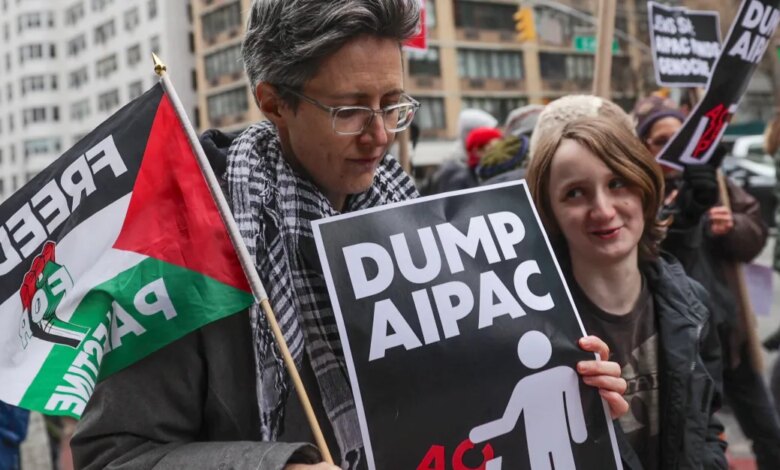
Campaign financing and lobbying efforts have also evolved as the general election approaches. The American Israel Public Affairs Committee (AIPAC) emerged as a major political spender and a frequent flashpoint during Democratic primaries. However, general election spending has been heavily influenced by Republican big-business donors, particularly from the technology sector, granting Republicans a historic financial advantage. Additionally, AIPAC announced that it would halt political endorsements and direct campaign contributions.
Even if Democrats manage to recapture control of the House, analysts note that the structural limitations of executive power mean foreign policy toward Israel is unlikely to undergo an immediate transformation. President Donald Trump remains in command of foreign policy, leaving a newly empowered Democratic majority with narrow avenues to reverse the administration’s current agenda.
Nevertheless, a shift in congressional control would grant lawmakers new legislative mechanisms to address Israel-Palestine issues. According to an analysis by Hady Amr, the former U.S. Special Representative for Palestinian Affairs writing for Chatham House, these tools would largely take the form of congressional hearings, funding restrictions, and enhanced reporting requirements. While these measures are not designed to enact sweeping changes overnight, they could establish important groundwork for a broader policy realignment under a future Democratic executive.
The debate over the issue has also surfaced in several key legislative races across the country. In Florida’s Senate race, Democratic candidate Angie Nixon has openly criticized her party’s traditional ties to the pro-Israel lobby. Similar dynamics have appeared in Michigan, where the Senate campaign of Abdul El-Sayed emerged directly from pro-Palestinian activism, and in Michigan’s competitive Seventh District, where progressive candidate William Lawrence has voiced strong criticisms regarding U.S. support for Israel.