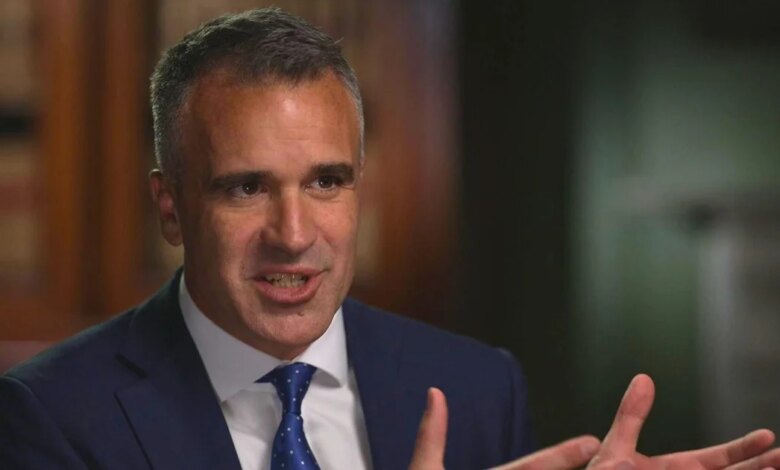
Australia has emerged as the first nation in the world to enforce a comprehensive ban preventing children under the age of 16 from holding social media accounts, creating a closely watched global test case as other governments weigh similar restrictions. The policy shifts the legal burden squarely onto major tech corporations, requiring platforms to take reasonable steps to verify user ages or face severe penalties of around $70 million per violation.
The legislative push originated in South Australia, where Premier Peter Malinauskas championed the measure after discussions with parents concerned about the downward spiral of adolescent screen time and online exposure. Following the state-level campaign, the national government quickly adopted the policy with bipartisan backing. Proponents argued that individual parents could no longer match the sophisticated behavioral engineering deployed by multibillion-dollar tech platforms, making government intervention necessary to establish community standards.
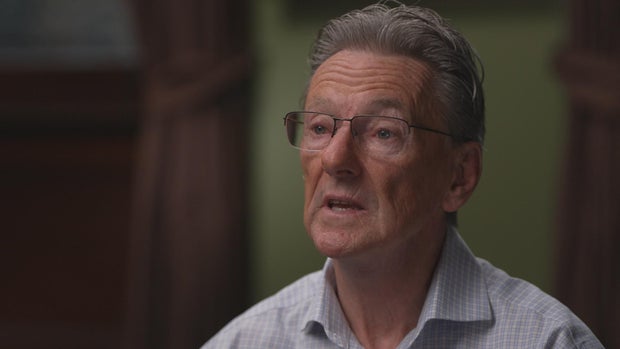
The human cost of unregulated online exposure forms a central pillar of the public debate. Wayne Holdsworth, an Australian father, became a vocal advocate for government regulation after his 15-year-old son, Mac, was targeted by an online extortionist in 2022. Posing as an underage girl, a criminal acquired an intimate photo and blackmailed the teenager before distributing it to family and friends. Overwhelmed by shame, Mac died by suicide in October 2023. Advocates like Holdsworth argue that governments have a fundamental duty to protect minors from predatory corporate entities operating across national borders.
Yet implementing the sweeping mandate has proved challenging. Research from Australia’s online safety watchdog indicates that in the first three months of the ban, the number of 10- to 15-year-old account holders on restricted platforms dropped by approximately 20%. However, independent eSafety Commissioner Julie Inman Grant reported that half of the children under 16 who still maintained accounts three months after the law took effect reported never being asked to confirm their age. Inman Grant noted that while platforms possess advanced engineering capabilities to verify user identities, compliance has fallen short of expectations.
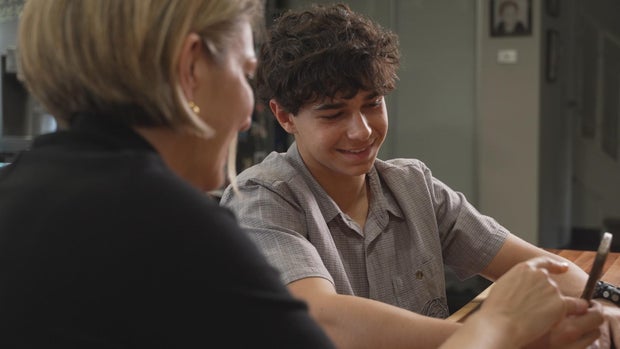
Young users have also highlighted enforcement loopholes. Noah Jones, a 15-year-old resident who has become a public face of opposition to the legislation, noted that while some platforms use facial recognition to screen ages, others permitted him to retain access simply by creating a new account and altering his birthdate. Jones is currently a witness in a high court legal challenge arguing that the ban infringes upon the right to political communication and restricts access to essential information.
Opponents of the ban, including the legal challengers and various privacy advocates, argue that blanket restrictions impede free expression and isolate youths from the modern digital public square. Meanwhile, international tech companies have defended their practices while navigating the new regulatory landscape. Meta asserted that blanket bans are ineffective because they push teenagers toward unregulated corners of the internet, though the company maintains it is working on built-in safety measures. Snap and TikTok similarly emphasized their commitment to user safety, rejecting claims that their platforms prioritize profit over the welfare of younger users.
Despite the hurdles, the policy’s trajectory is drawing international attention. Governments in the United Kingdom, Norway, Spain, and Canada are currently developing or advancing similar legislation. Australian regulators maintain that the success or failure of the national experiment will heavily influence how future generations communicate and interact with digital technology worldwide.