Former FBI Director James Comey Charged with Federal Crimes Over National Security Information

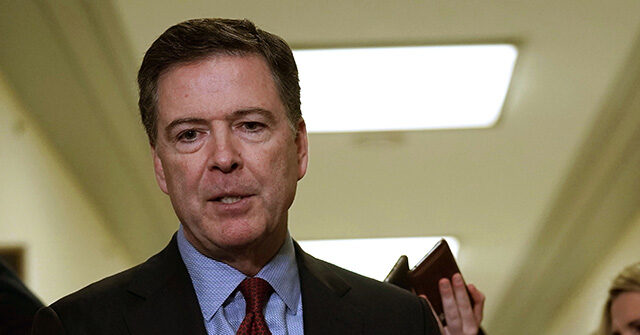
Former FBI Director James Comey has been charged with federal crimes involving the unauthorized distribution of national defense information. The indictment, filed in federal district court in the District of Columbia, marks the third case brought against the former director by Department of Justice prosecutors.
The charges focus on actions allegedly taken by Comey and several unnamed co-conspirators in October 2016. According to the court filings, the indictment includes two primary counts. The first count covers the unauthorized communication of information related to national security. The second count alleges that Comey “knowingly and willfully communicated, delivered, transmitted, and caused” such information to be sent to a person not entitled to receive it, under the premise that the data could be used to injure the United States or provide an advantage to a foreign nation.
Legal counsel representing Comey has already responded to the filing by requesting that the case be dismissed. Comey himself addressed the development in a brief video posted to Instagram, stating that federal authorities were “back again.” While he explicitly referenced the Justice Department, he did not provide specific details regarding the evidence or his planned defense.
Attorney General Todd Blanche has indicated that the investigation, which has been referred to as the “86 47” case, is more extensive than social media activity might suggest. Blanche stated that the indictment was the result of a rigorous probe conducted by career officials, including assistant United States attorneys in North Carolina, career FBI agents, and career Secret Service agents.
“The career agents and attorneys who investigated this case didn’t just look at the Instagram post to walk away,” Blanche said during a public appearance. “That’s why you saw an indictment, notwithstanding the fact that it was last May that the post was made.” Blanche declined to reveal the specific evidence presented to the grand jury but maintained that the charges were grounded in findings that extend beyond the former director’s public statements.
The case centers on the handling of sensitive materials during a critical period in late 2016, a timeframe that has long been subject to intense scrutiny regarding the FBI’s conduct and internal communication. As the legal proceedings move forward in D.C., the court will determine whether the defense’s motion for dismissal carries merit or if the case will proceed to trial.