
Ukrainian President Volodymyr Zelenskyy has welcomed a major United States weapons agreement while cautioning that the approved air defense missiles may not arrive for years. The US State Department approved the sale of 500 Patriot PAC-3 interceptors to Ukraine for an estimated $2.1 billion, a move officials say will bolster the nation’s integrated missile defense against ongoing aerial bombardments.
While praising the decision as strong, Zelenskyy highlighted a critical timing gap in a social media statement early Saturday. He noted that deliveries may begin only in a few years, leaving a dangerous void as Russian forces target energy infrastructure on a daily basis. Ukraine’s military relies heavily on the Patriot system as its most effective defense against fast-moving ballistic missiles.
To bridge the gap, Zelenskyy argued that US and European allies possess sufficient existing stockpiles of interceptors that could be transferred immediately. Those inventories could then be replenished in the coming years through contracts already funded by Ukraine and its international partners, a proposal he described as entirely feasible and correct.
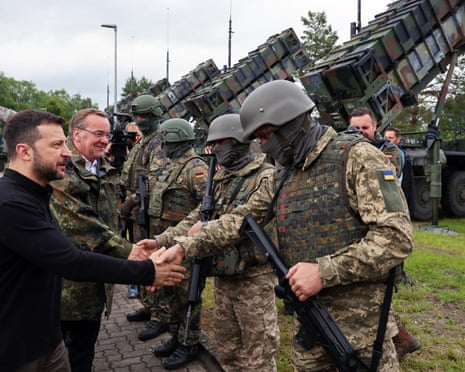
Weapons manufacturing and foreign military sales typically require extended production timelines. Two individuals briefed on the matter stated that the newly ordered missiles have not yet been manufactured and are unlikely to arrive until the early 2030s. In response to the delay, the Ukrainian Ministry of Defense is reportedly pressing the Pentagon to accelerate the schedule by diverting missiles currently in the US inventory and backfilling those supplies later.
The procurement is funded through a combination of international contributions and national financing. The State Department confirmed that the purchases are supported by donations from Canada, Germany, and Norway routed through the US Jumpstart program, alongside national funds backed by the European Union’s Ukraine Support Loan. Lockheed Martin serves as the principal contractor for the missile interceptor sale.
The transaction comes amid broader strains over military support and regional strategy. The delays coincide with recent tensions between Kyiv and Washington following announcements regarding energy diplomacy and strategic disagreements over targeting tactics. Meanwhile, US stockpiles of key precision-guided weapons and air defense munitions have faced competing demands from American military operations and foreign commitments, heightening concerns over inventory levels.