As Democrats nationwide look toward a potential blue wave, the suburban landscape of Long Island is shaping up as a crucial and fiercely contested test. While national polling and cash advantages have emboldened Democrats to eye traditionally conservative terrain, local political dynamics, strong county Republican organizations, and enduring voter frustrations point to a much closer contest in Nassau and Suffolk counties.
Long Island has frequently bucked national political trends. In last year’s local elections, the local Republican apparatus held its ground even as Democrats notched victories elsewhere. This history of fierce independent local politics has created a unique electoral environment where candidates are often defined more by neighborhood recognition than broader partisan tides.
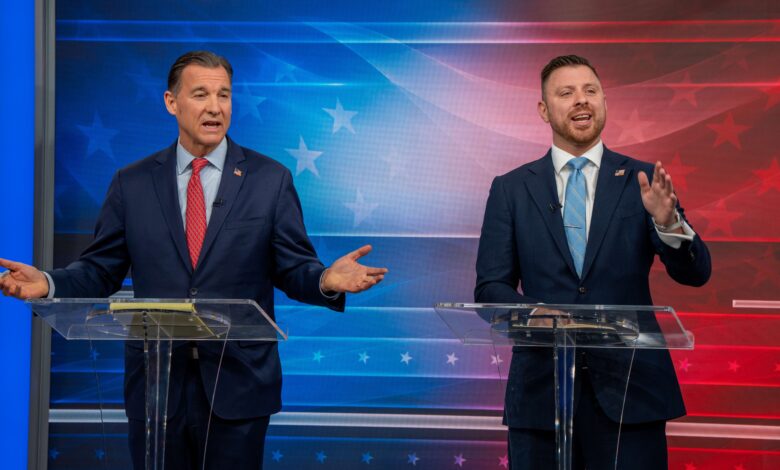
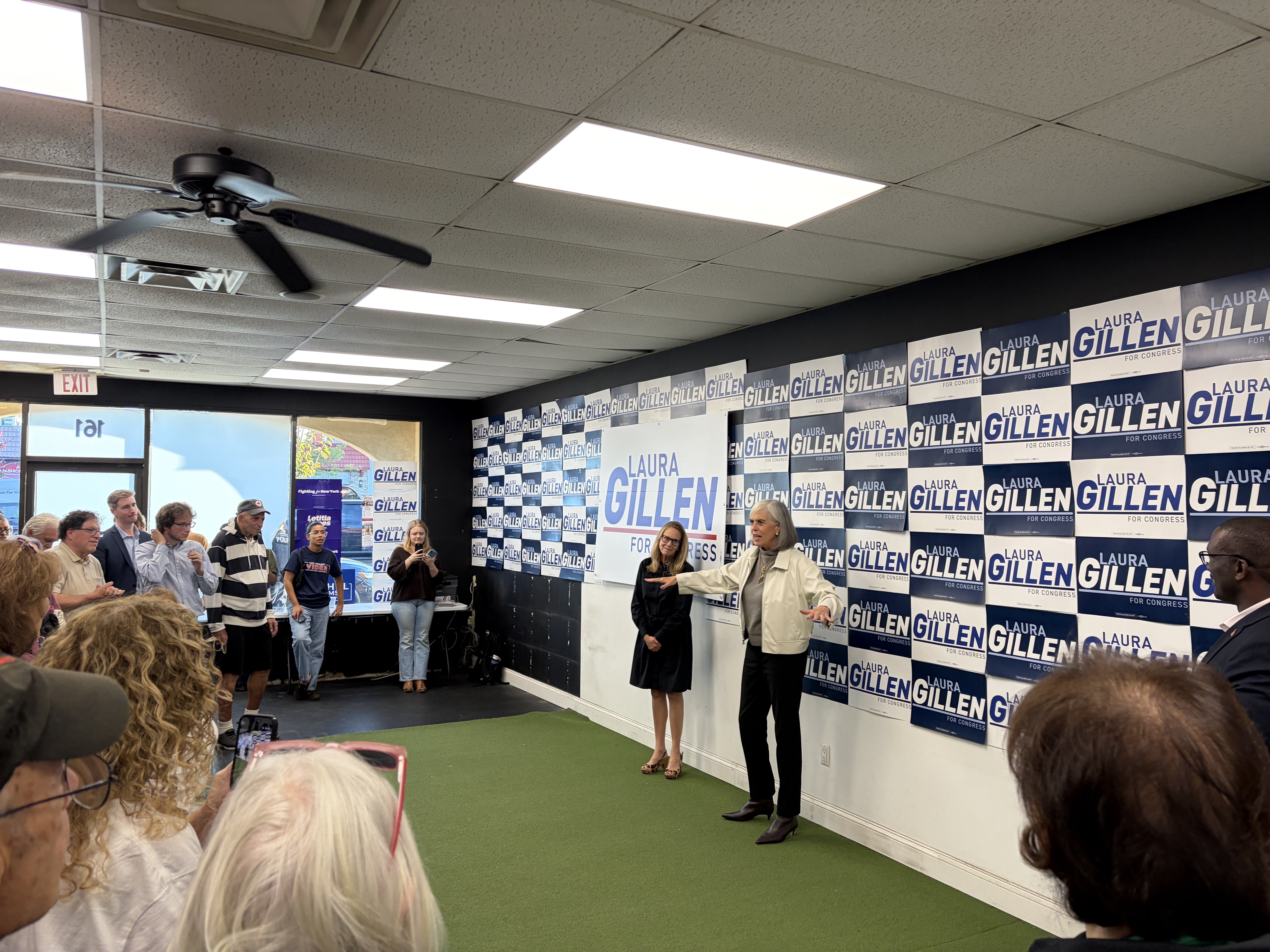
Democratic incumbents Rep. Tom Suozzi and Rep. Laura Gillen are locked in competitive battles to defend battleground seats in Nassau County. Meanwhile, Democrats are mounting an uphill challenge against Republican Rep. Nick LaLota in Suffolk County, while GOP Rep. Andrew Garbarino faces a tighter race in a shared Suffolk-Nassau district that former President Donald Trump won comfortably in 2024.
Nonpartisan election raters currently give all four Long Island incumbents the edge, but both national parties have heavily invested in the region. House Minority Leader Hakeem Jeffries and Speaker Mike Johnson have both made recent campaign visits to the island, underscoring the high stakes in the fight for the House majority. In the final stretch of the campaign, national Democratic super PACs poured nearly $1 million into television advertising to assist Suozzi, while outside Republican groups have similarly funneled millions into the district to back his challenger, former state Assemblymember Mike LiPetri.
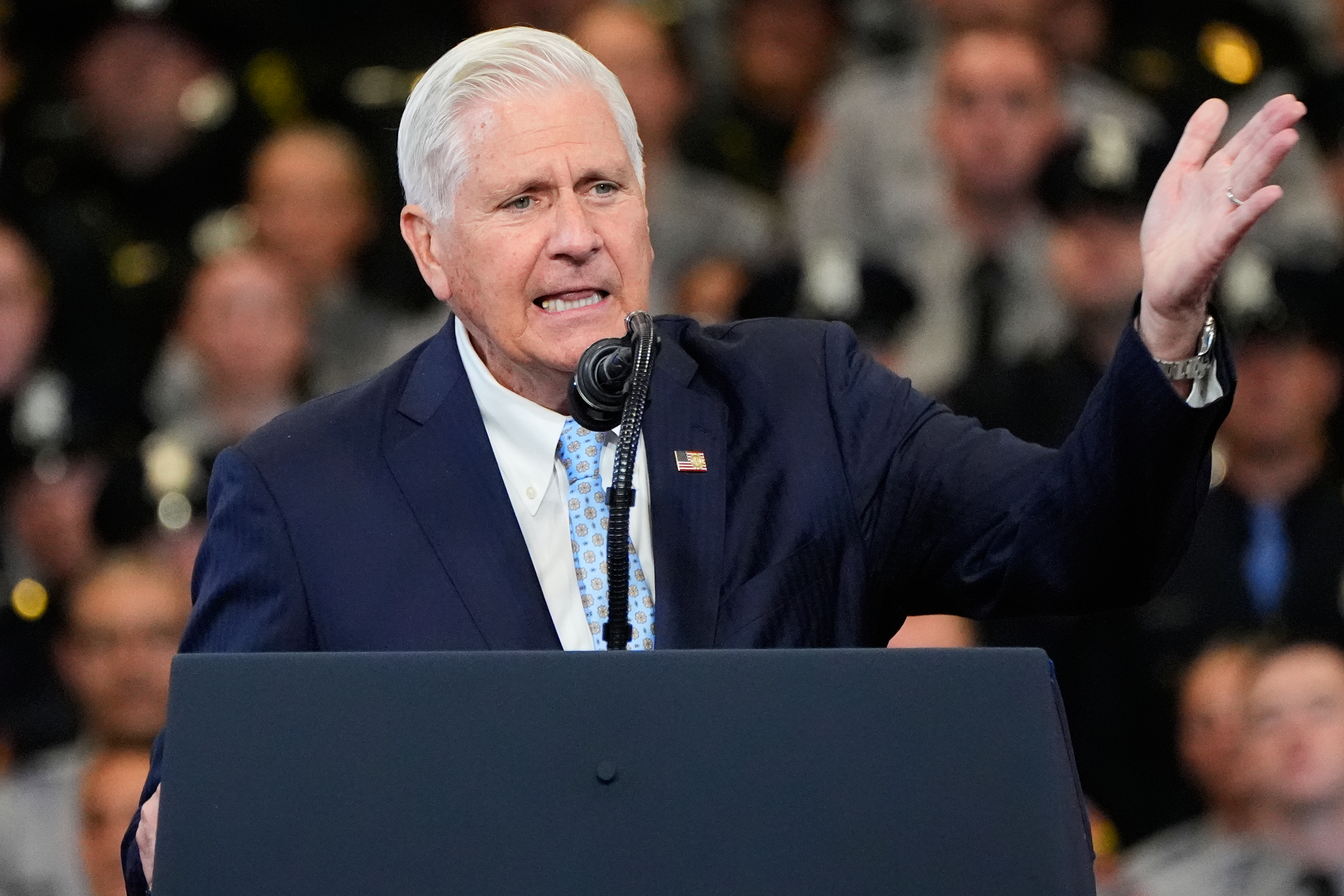
Republicans have centered much of their strategy on tying local Democrats to statewide leadership and leftward shifts in New York City. GOP challengers, including LiPetri and Hempstead Receiver of Taxes Jeanine Driscoll—who is running against Gillen—have sought to weaponize voter dissatisfaction with Gov. Kathy Hochul. They are also counting on tailwinds from Nassau County Executive Bruce Blakeman, the party’s gubernatorial nominee, whose strong local base and prominent presence have energized the suburban electorate.
At the same time, local Republicans are leaning into concerns over rising antisemitism, public safety, and the political climate in New York City, targeting moderate Democrats like Suozzi and Gillen over the influence of the party’s progressive wing. Both Suozzi and Gillen have pushed back aggressively against these attacks, highlighting their records of bipartisanship and vocal critiques of socialism and city policies.
Democrats, conversely, are banking on voter agita regarding the status quo and economic pressures, particularly stubbornly high costs linked to energy prices and federal policies. Some Democratic strategists argue that local economic pain will outweigh traditional party loyalties, even as Republicans defend military actions abroad and point to local security issues.
Underpinning the local Republican strength are robust county party organizations that treat down-ballot races with intense urgency. Local strategists note that turnout operations for municipal positions, such as town supervisor contests, routinely drive high participation among conservative voters, potentially boosting candidates higher up the ballot. Democratic organizers have acknowledged the challenge posed by these entrenched machines, with party figures warning supporters against voter complacency.
Internal party organization has also been a focal point for Democrats following a contentious leadership challenge in Suffolk County last month between longtime chair Rich Schaffer and local leader Kathryn Casey Quigley. While Schaffer retained his post, the leadership fight exposed lingering debates over candidate recruitment and structural investments in suburban towns.
Despite the intense competition, financial disparities remain visible. Democratic incumbents retain significant cash-on-hand advantages over their challengers, with some Democratic contenders even outpacing incumbents in recent fundraising quarters. Yet local observers caution against viewing the region through a purely partisan lens, noting that recent shifts toward the GOP reflect voter frustration with state-level governance rather than a permanent ideological realignment.