Repair analysts have completed a comprehensive teardown of the iPhone Duo, offering a detailed look at the device’s internal architecture, dust resistance, and modular components while shedding light on the potential mechanical factors behind early screen durability complaints.
Before initiating the physical disassembly, the evaluation began with a fluorescent dust test to gauge the device’s dust intrusion resistance. Although the folding smartphone carries an IP68 dust and water resistance rating, the test revealed that small amounts of particulate matter still infiltrated the USB-C port, speaker mesh, and outer frame gaps. A fraction of these micro-particles managed to reach the hinge mechanism, producing a noticeable mechanical noise during opening and closing cycles.
Despite this ingress, researchers noted that the amount of debris entering the hinge was significantly lower than that observed in competing devices such as the Samsung Galaxy Z Fold8 and the Google Pixel Fold series. The evaluation concluded that while Apple’s overall hinge design performs encouragingly, it cannot entirely prevent microscopic particles from reaching moving parts, prompting a recommendation that users avoid operating the device in high-dust environments like beaches. Prior durability testing had already indicated that accumulated dust within the hinge mechanism could potentially disrupt internal magnetic closure components.
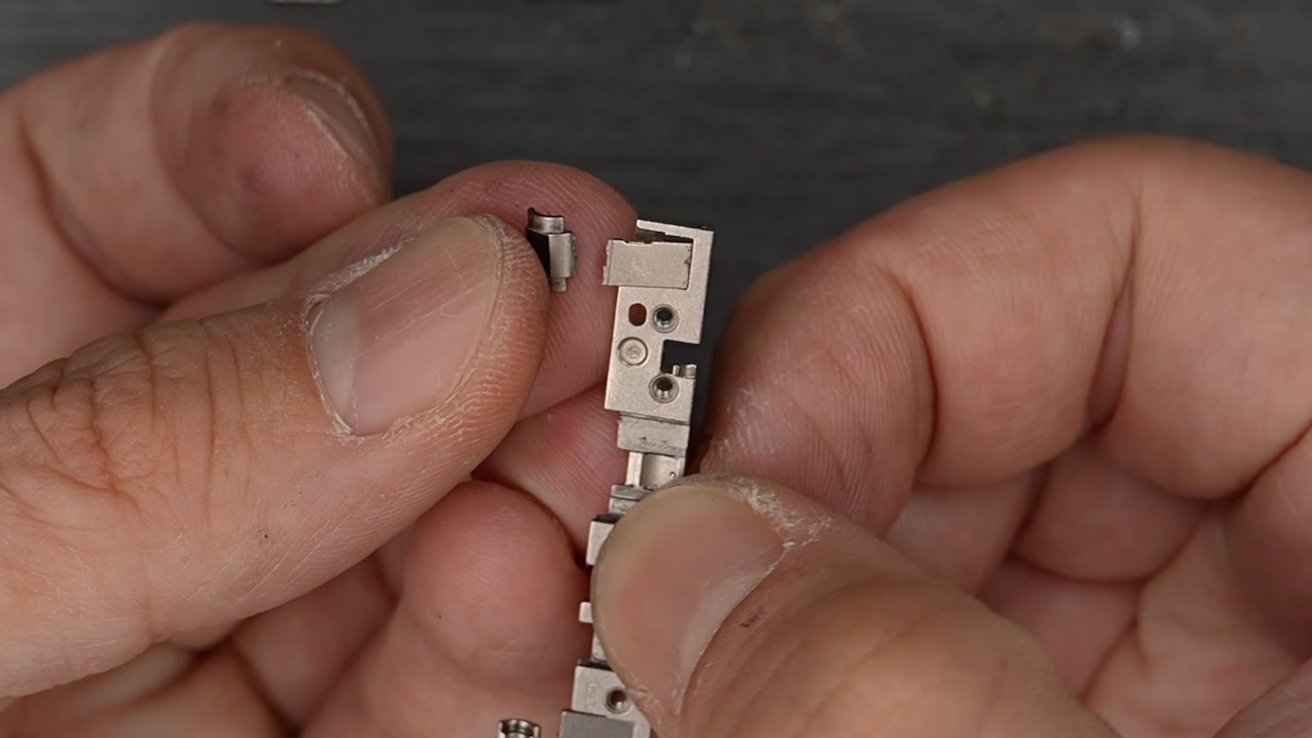
Beneath the exterior, the teardown confirmed that Apple incorporated a complex water-drop hinge system. This mechanical assembly relies on gears, springs, and multiple linked metal components designed to provide a dedicated bending radius for the flexible display panel when closed, thereby lowering mechanical stress on the screen. Special guidance mechanisms control the movement trajectory of these components to reduce fatigue damage caused by long-term folding.
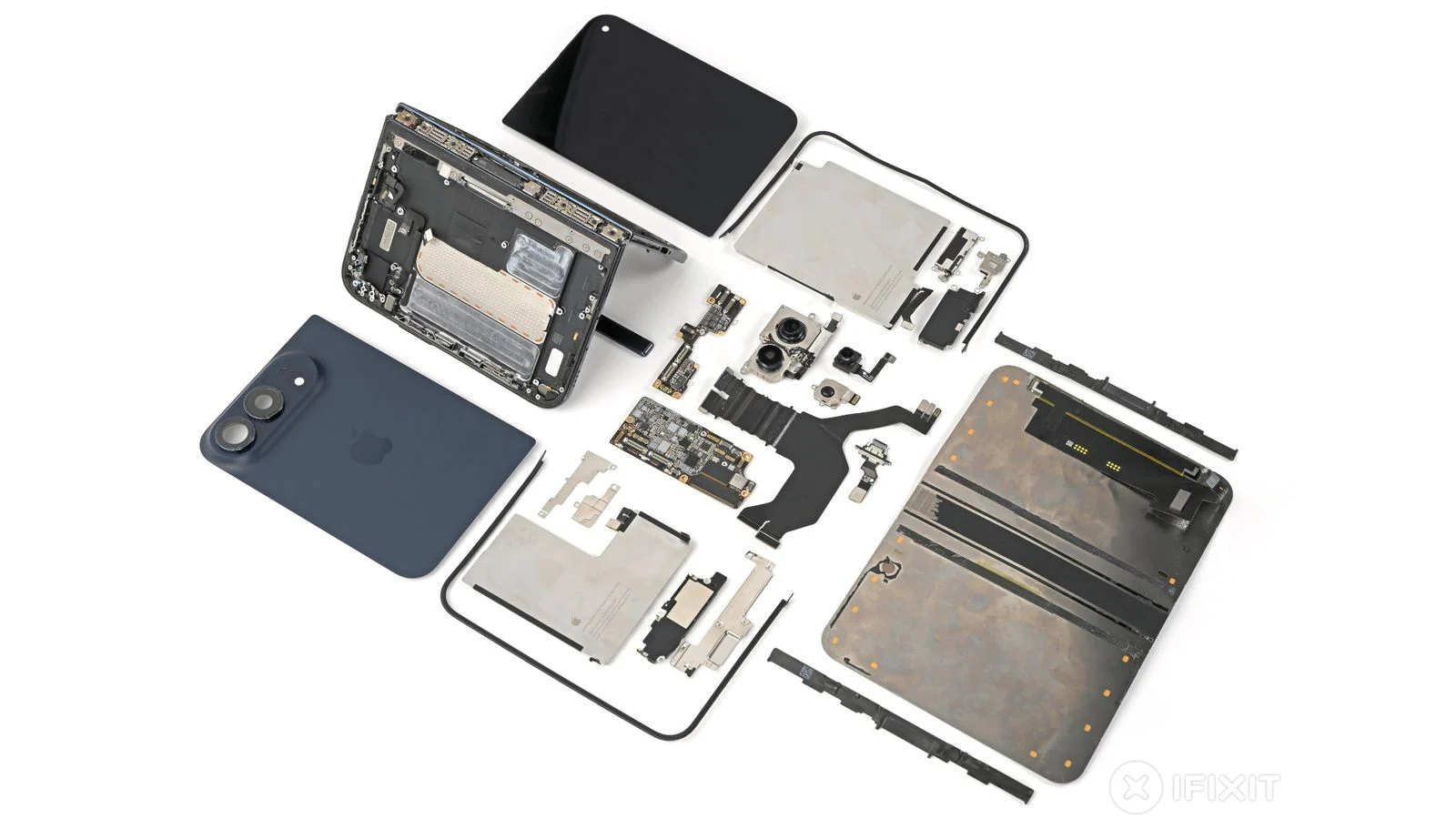
For the display assembly, Apple engineered a ten-layer screen system. The outermost layer features a specialized nano-texture protective coating designed to minimize light reflection and visually diminish the appearance of the central crease. Microscopic examination revealed that this surface is covered in tiny convex structures that effectively scatter light. Notably, this protective layer was found to be relatively easy to peel away from the screen surface, potentially facilitating low-cost future replacements, though researchers stressed that users should not attempt to remove it independently.
Internal layout modifications mark a significant shift from recent generations. The iPhone Duo is the first Apple smartphone since the iPhone 8 to utilize a single-layer motherboard design. By abandoning the multi-layer stacked motherboard architecture seen in recent years, engineers successfully reduced the overall body thickness while carving out necessary internal volume for the folding mechanism.
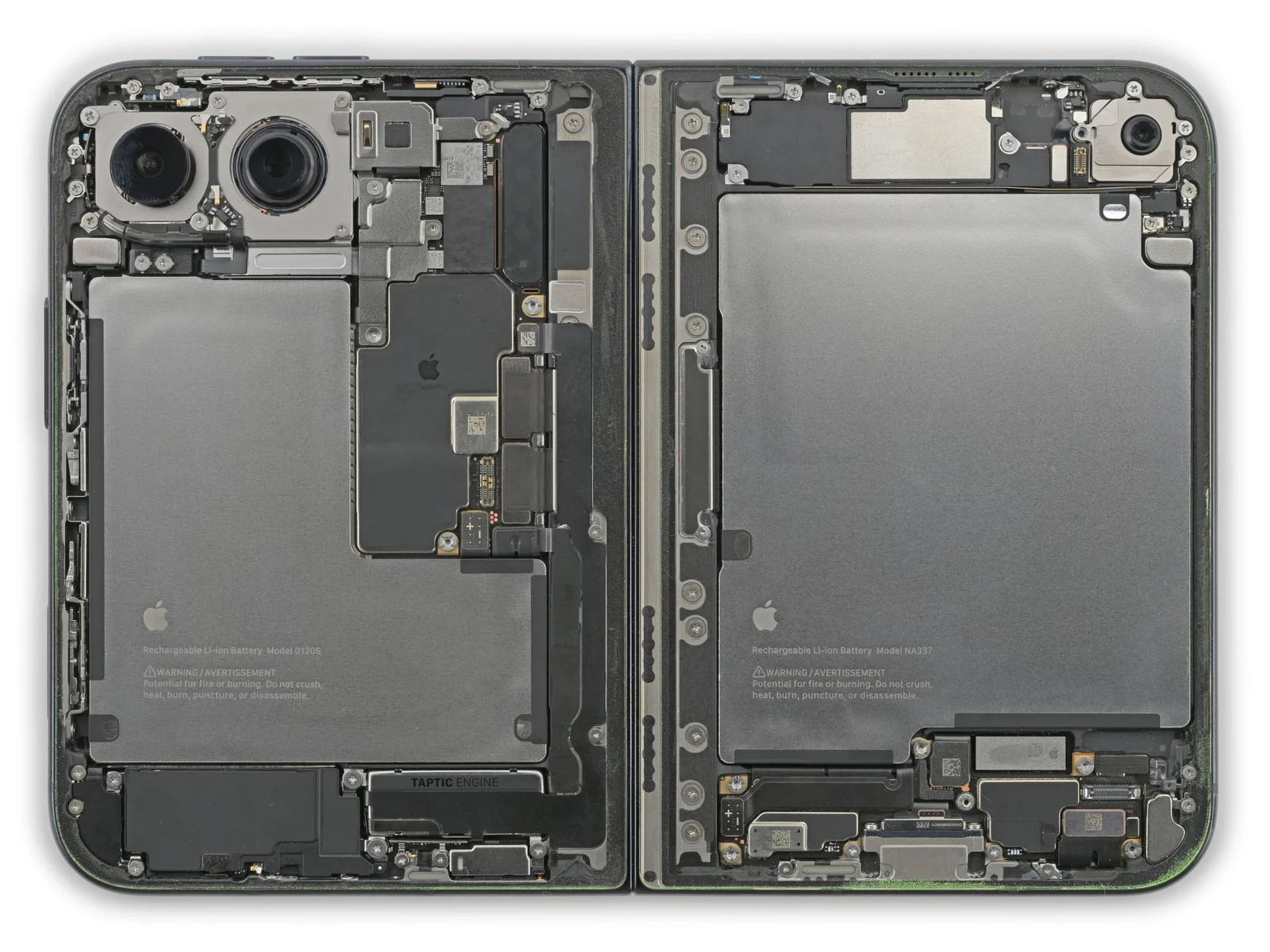
Battery maintenance follows Apple’s recent push toward improved serviceability. The device employs an electrically released adhesive securing method, allowing technicians to apply a specific electrical current that weakens the adhesive bond and greatly simplifies battery removal. Analysts rated this configuration as one of the most streamlined battery replacement procedures currently found in the foldable smartphone market. Furthermore, the external display allows for relatively straightforward disassembly, with numerous internal components accessible from that side. While the inner screen module still requires the removal of substantial adhesive layers, the overall modular layout significantly outperforms most existing foldable competitors, earning the device high marks for reparability.
The investigation also addressed recent user reports concerning internal screen failures. Since the product launch, a small number of customers have reported hearing unusual noises during normal folding operations, followed by the appearance of bright lines, dark lines, or localized display failure near the center of the screen.
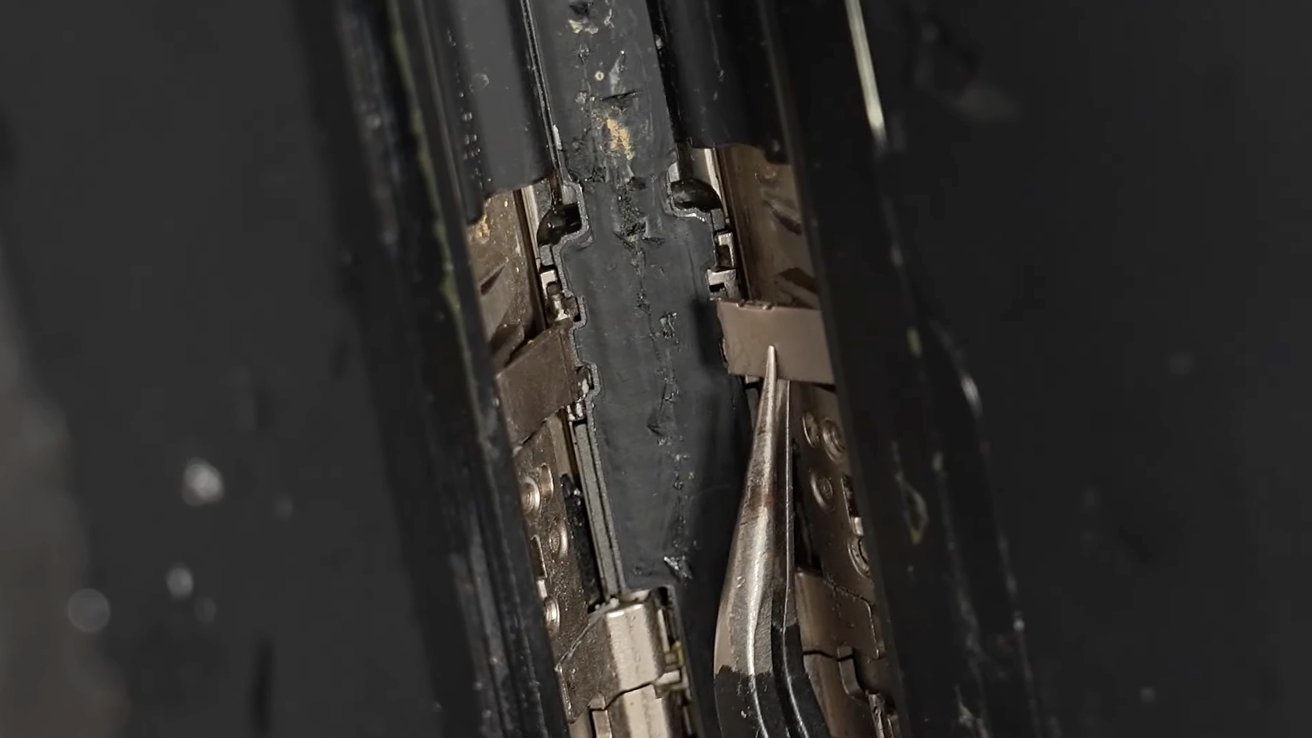
Following a structural analysis, researchers suggested that the underlying cause may not stem strictly from a fracture in the screen glass itself. Instead, a combination of localized pressure, dust accumulation inside the hinge, accumulated stress from long-term bending, manufacturing tolerances, or internal flexible cable connection faults could contribute to the failures. Investigators pointed out that most reported incidents cluster near a specific junction where the hinge support structure, flexible signal cable channels spanning both halves of the device, and multiple structural edges intersect. The complex mechanical forces at this convergence point may create stress concentrations during repeated folding, elevating the risk of display system damage.
At the same time, analysts emphasized that there is currently no conclusive evidence indicating that all units suffer from the same vulnerability. Because the number of reported failure cases remains limited, experts cannot yet determine whether these incidents represent a widespread design flaw or isolated manufacturing batch issues. Monitoring ongoing field performance will be necessary to establish whether Apple must alter structural tolerances in future production runs.