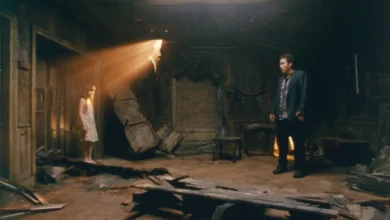
While horror is designed to frighten audiences, few genres strike closer to home than a well-crafted dystopian television series. Programs such as The Last of Us, Severance, and The Handmaid’s Tale have each explored terrifying societal trajectories, but they typically sustain a single narrative arc. In contrast, Netflix’s acclaimed anthology series Black Mirror delivers 34 distinct, self-contained visions of the future inspired by existing systems ranging from social media to artificial intelligence.
Created by Charlie Brooker and premiering in December 2011 on Channel 4 before moving to Netflix, the program is rated TV-MA and spans genres including drama, mystery, science fiction, and thriller. Across its run, the series has earned nine Emmy Award wins out of 29 nominations and holds an 83% positive rating on Rotten Tomatoes. While standout installments like “White Christmas” and “Common People” are celebrated among the darkest hours in television history, viewer opinions on individual episodes vary dramatically.
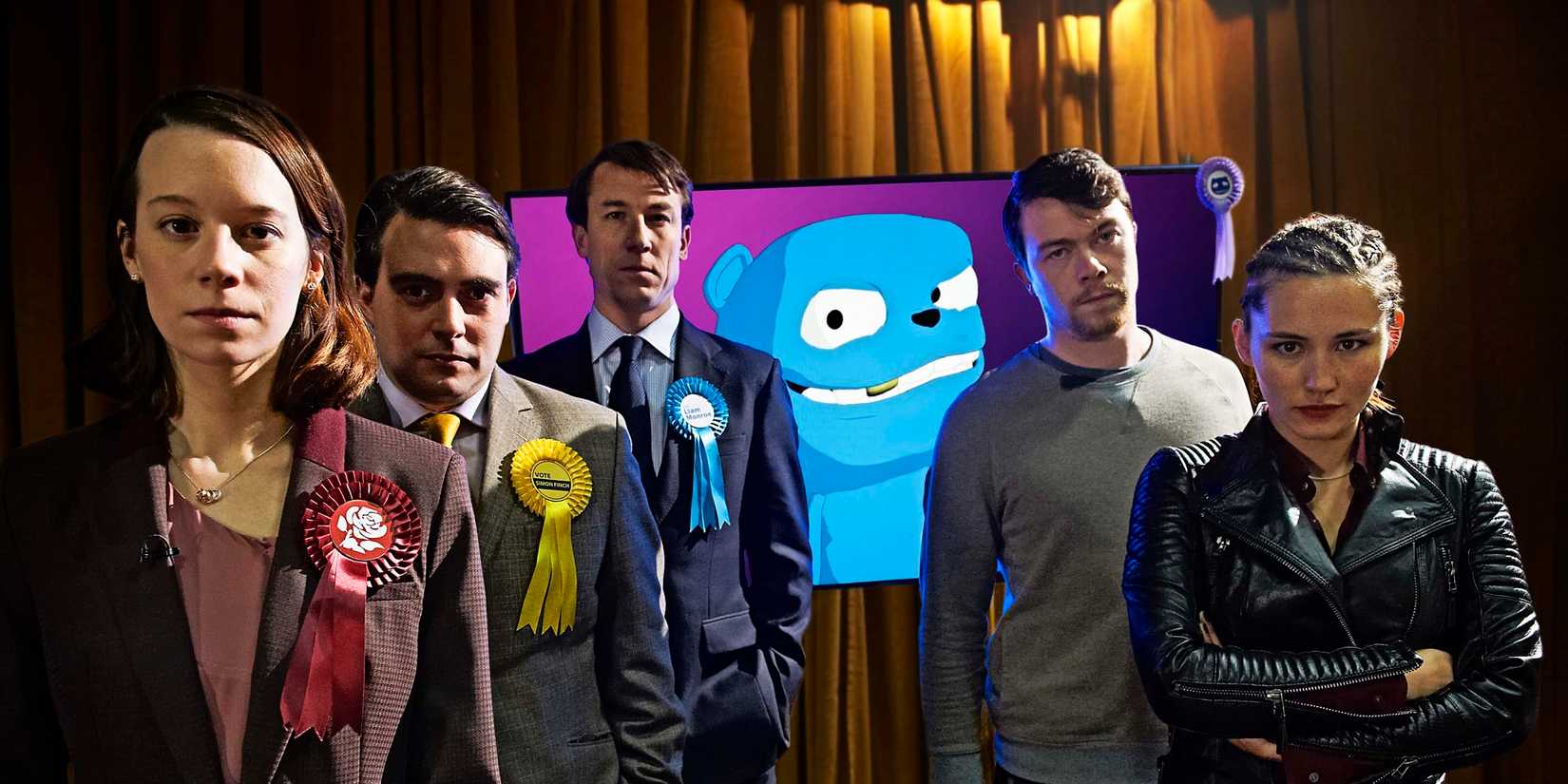
Despite the show’s widespread acclaim, audiences generally converge on three entries that occupy the lowest spots in rankings: “Mazey Day,” which leaned into supernatural horror; “Rachel, Jack, and Ashley Too,” featuring a fictionalized pop star portrayed by Miley Cyrus; and “The Waldo Moment,” which holds a 47% positive rating on Rotten Tomatoes as the lowest-ranked episode in the series.
Running for 44 minutes as the third episode of the second season, “The Waldo Moment” follows a comedian who enters a satirical cartoon bear into a political race. Though it struggled to resonate with viewers when it first aired, the episode has aged remarkably well, developing an eerie prescience over time. Its plot features striking parallels to subsequent real-world events, including political backlash following election losses and satirical write-in candidates challenging right-wing politicians in British by-elections.
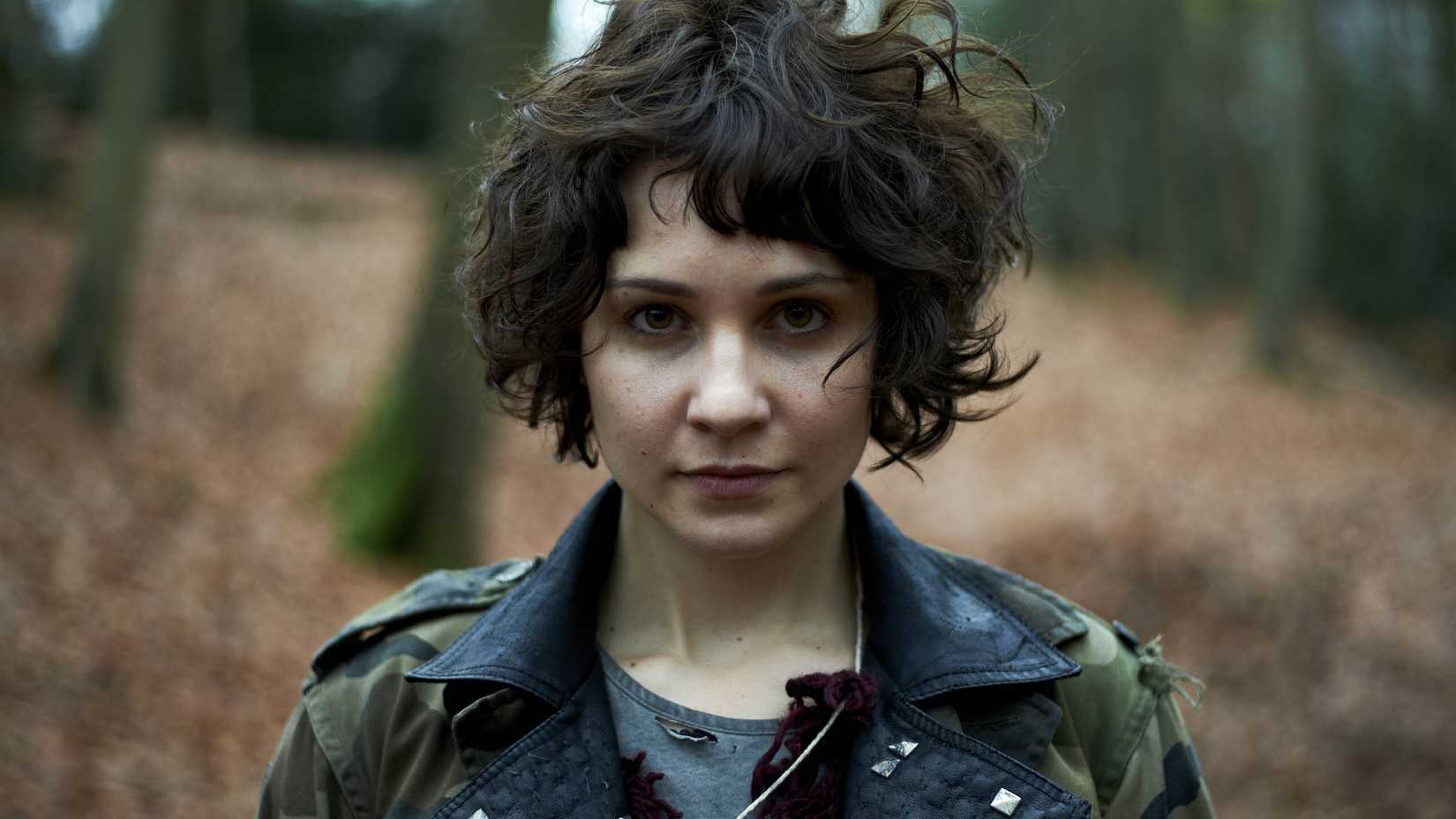
Ending on a cliffhanger that sees its protagonist confronted by police violence, the episode functioned effectively as an origin story with disciplined pacing and worldbuilding. Commentators note that even its lowest-rated installments often surpass conventional science-fiction series that struggle with declining momentum or premature cancellation. Furthermore, the episode’s themes have fueled speculation about potential narrative continuations.
As technological advancements accelerate, the series possesses an inexhaustible reservoir of potential subject matter, raising questions about whether the anthology could run indefinitely. Yet the prospect of a streaming platform endlessly broadcasting a series that frequently critiques corporate media and digital saturation creates a paradox worthy of the show’s own script. Whether the program eventually reaches a definitive conclusion or continues far into the future, its examination of human vulnerability in a digital age remains a defining fixture of contemporary television.