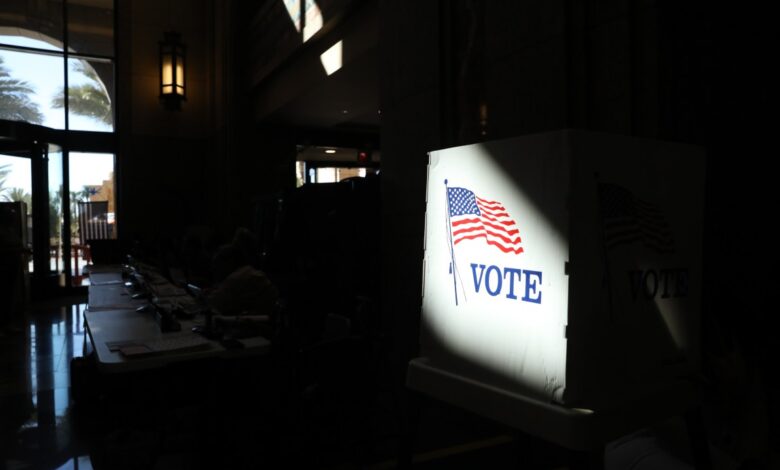
Ahead of the midterm elections, the Trump administration has systematically altered federal oversight of the voting process, dismantling traditional guardrails and empowering loyalists to influence election administration nationwide. Investigative findings show that executive agencies have pursued greater federal control through legal challenges, personnel overhauls, and proposed postal regulations.
In April, reporting detailed how the administration has discarded or diminished federal efforts to protect voting processes and block foreign interference, including staffing cuts on election teams across law enforcement agencies. Separate investigations revealed that the Department of Homeland Security’s Homeland Security Investigations personnel and technology were deployed to support claims of illegal voting by noncitizens. While administration officials maintained the effort yielded significant results, Justice Department data as of May showed 41 alleged noncitizens charged with voting illegally or related crimes, though a separate report cited 156 charges since the second term began.
As part of these initiatives, the Justice Department demanded unredacted voter rolls from states, resulting in lawsuits filed against 30 states and the District of Columbia since September 2025. State officials have resisted these demands, and federal judges have dismissed the lawsuits that have reached decisions, prompting appeals from the administration. In March, an executive order instructed the U.S. Postal Service to create new regulations for mail voting, giving the postal service a gatekeeping role over ballot delivery. The Supreme Court blocked those rules in September.

Administration officials and department spokespeople defended the measures, asserting they are necessary to ensure free and fair elections, prevent illegal voting by noncitizens, and work cooperatively with state authorities.
Alongside policy changes, at least 75 nonpartisan career officials in election integrity roles have been departed or fired, while about two dozen Trump appointees have been added. At least 25 of these appointees maintain close ties to Cleta Mitchell, a conservative lawyer leading the Election Integrity Network. Mitchell has shaped the administration’s agenda and pushed for state and federal versions of the SAVE Act, which would require proof of citizenship to register and photo identification to vote nationwide. In July, the administration also removed the remaining members of the bipartisan Election Assistance Commission.
Political appointees at the Cybersecurity and Infrastructure Security Agency were also asked by White House officials to procure and hack a voting machine early in the term. CISA employees stated the request was impossible, citing layoffs resulting from Department of Government Efficiency cuts. While unacted upon, the request illustrated shifting priorities at an agency historically dedicated to assisting local election authorities.
Postal service operations also drew scrutiny over mail-in voting. The White House initially proposed requiring all ballots to be sent via certified mail, a plan dropped after the USPS deemed it unexecutable before settling on the executive order blocked by the Supreme Court. Furthermore, an analysis of postal cost-cutting measures—such as consolidated processing hubs and reduced pickup frequency—revealed that mail delays affected ballot validity in rural areas across states including Washington, California, Ohio, North Carolina, and Oregon. Postal officials stated that extraordinary measures would prevent similar delays during the general election.