A surge of federal immigration enforcement across California’s Central Valley is driving a wave of civic mobilization among young voters and mixed-status families, injecting heightened urgency into one of the nation’s most closely watched congressional races.
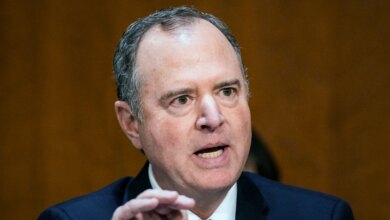
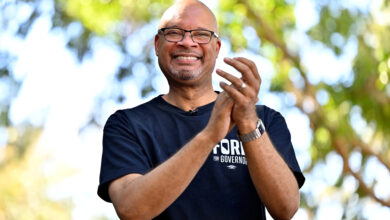
In California’s competitive 22nd Congressional District, where Latinos make up 87% of the population, recent operations by Immigration and Customs Enforcement have transformed the political landscape. The district pits incumbent Republican Rep. David Valadao against Democratic challenger Randy Villegas in a contest that could help determine control of the U.S. House of Representatives. Following redistricting that brought portions of Fresno into the district, the electorate leans more Democratic than in previous cycles, though the region’s largely young, working-class, and migratory Latino population has historically seen lower voter turnout.
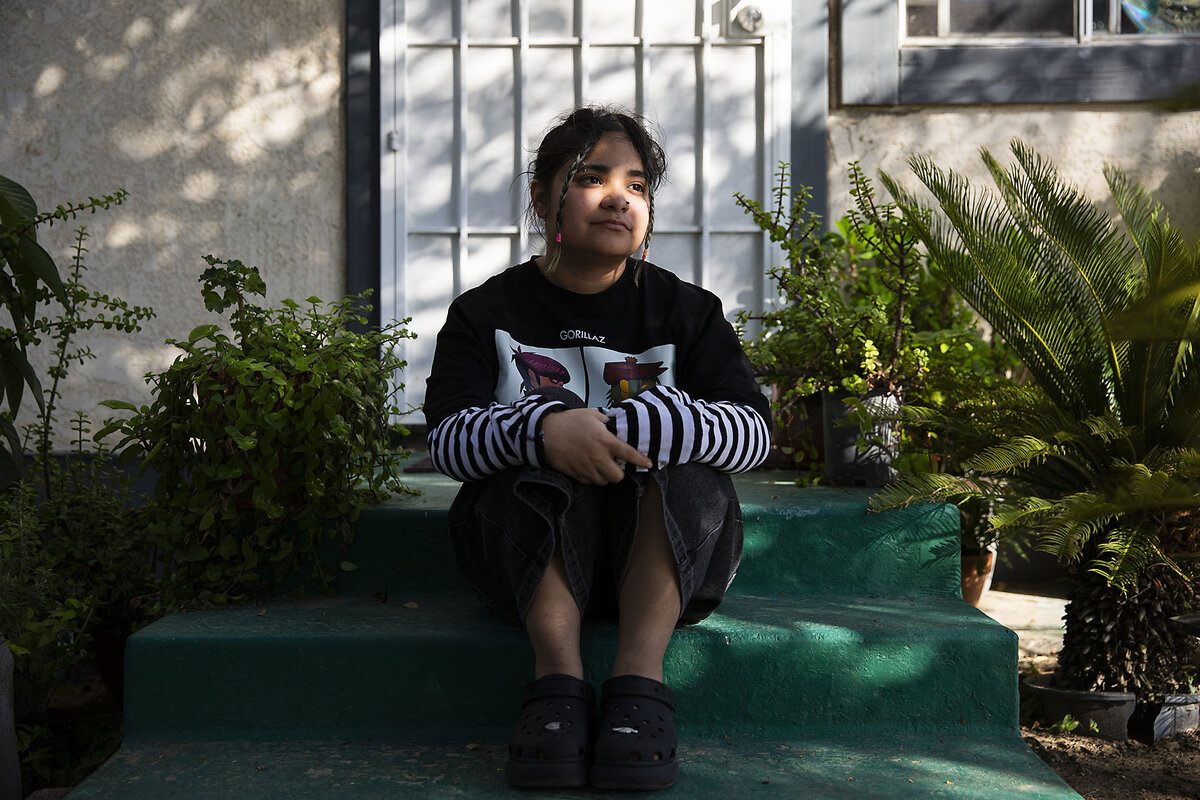
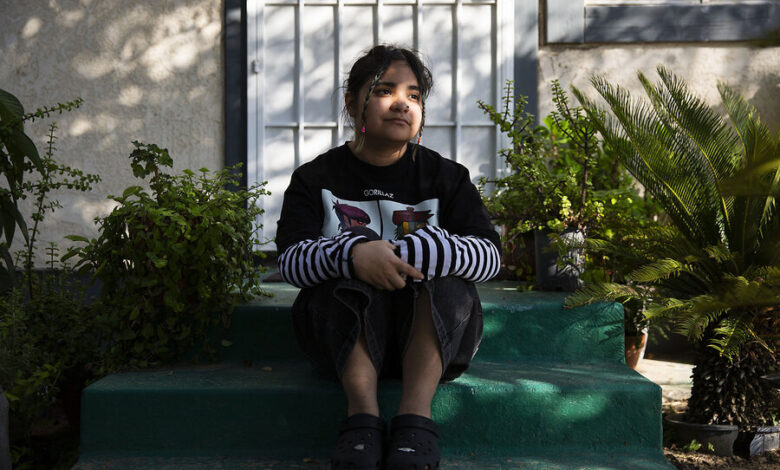
For first-time voters like 18-year-old Marisol Perez of Wasco, the federal actions served as an immediate catalyst. Before the immigration crackdown swept the state, she paid little attention to politics. Watching masked federal agents detain individuals—including, in some cases, people with legal status and U.S. citizens—changed her perspective.
“I need to vote for the people who can’t vote,” Ms. Perez said outside her home, noting that she lives with noncitizen family members and is actively urging her classmates to support Mr. Villegas.

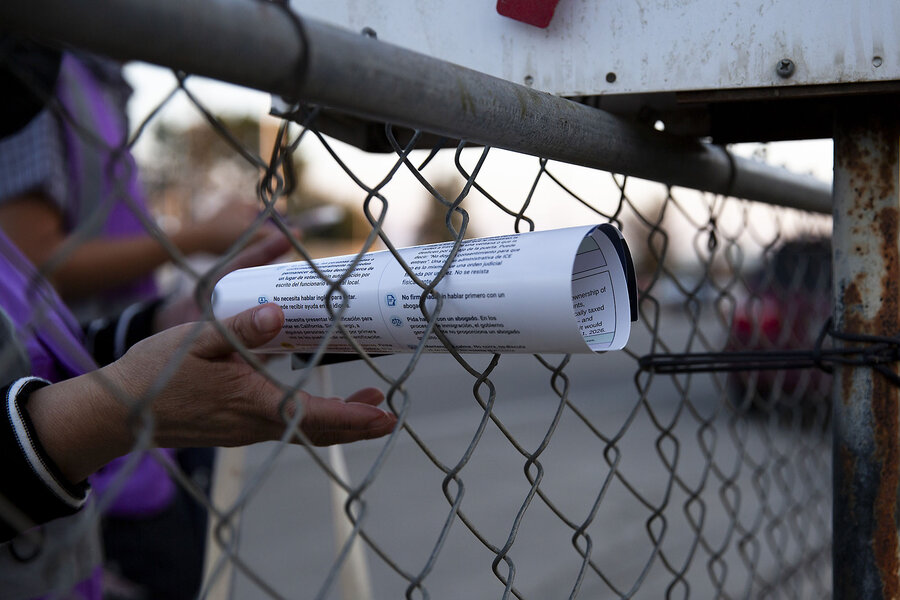
Grassroots organizers report a palpable atmosphere of fear in farming communities such as Wasco, Arvin, and Lamont, where canvassers encounter residents who refuse to answer their doors out of anxiety over who might be knocking. To reach voters safely, community workers from groups like Faith in the Valley have resorted to leaving informational leaflets on front stoops and chain-link fences, offering details on voting rights and procedures if immigration agents arrive.
Despite the intimidation reported by residents, organizers say the enforcement push has paradoxically galvanized voters. Flor Olvera, a canvasser in Wasco, acknowledged that some residents feel hesitant to approach polling places due to fears of racial profiling, but emphasized that the overarching sentiment is increased momentum to participate.
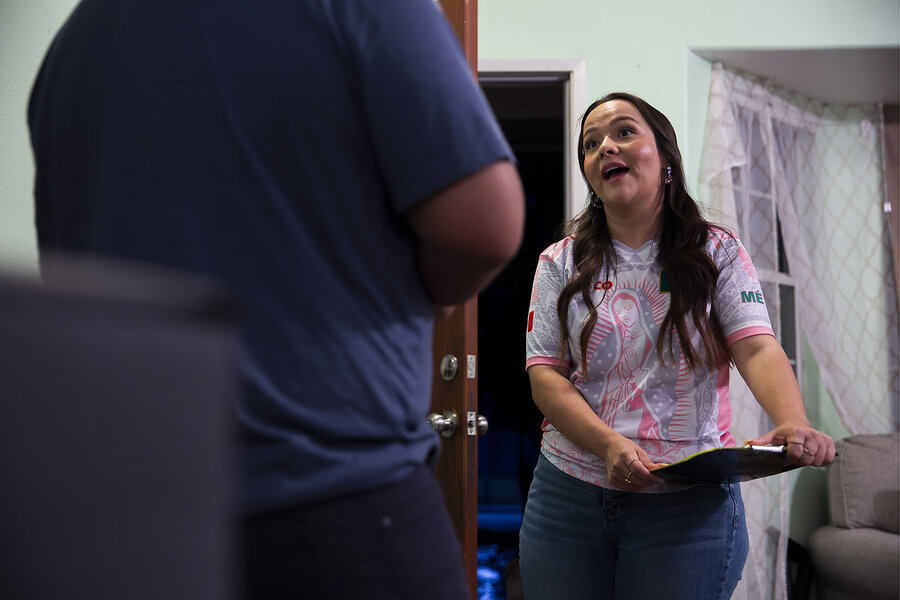
“More than anything, I’m actually seeing more momentum to vote,” Ms. Olvera said.
Elizabeth Chur, a grassroots voter-engagement trainer working in the district, agreed. “Especially young people are motivated in a way that I have not seen before in previous election cycles,” she said, noting that U.S. citizen voters in mixed-status households are particularly driven by recent arrests.

Gabriel, an 18-year-old resident of Lamont who distributes bilingual leaflets for Faith in the Valley, said he pushes past his own apprehension to encourage turnout. “The fear is there. I don’t think it will ever go away,” he said. “But I don’t stop just because of that fear.”
The candidates have offered sharply contrasting interpretations of the federal operations. Mr. Villegas, the son of Mexican immigrants, has condemned the sweeps and accused the administration of attempting to suppress Latino voters. Mr. Valadao, whose family migrated from Portugal, has expressed concern regarding the fear among immigrant farmworkers and reiterated his support for a pathway to legal status for longtime residents. At the same time, he stated that he has been in communication with federal officials, who assured him that the operations target individuals with active warrants and known criminal histories.
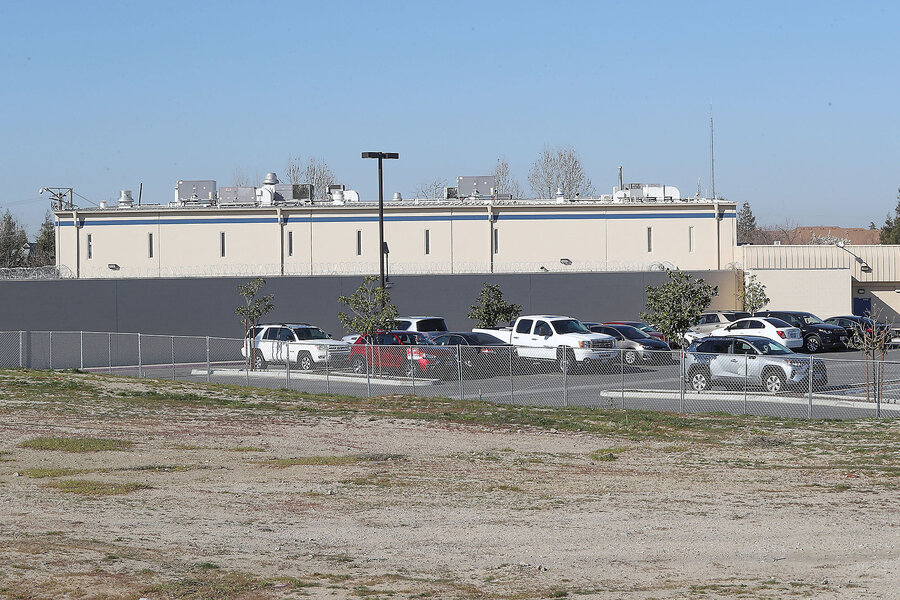
That official characterization remains contested. Reports citing sources familiar with internal planning indicated that a 45-day federal push termed “Operation Safe California,” launched in October, aimed to arrest individuals encountered without legal status regardless of criminal records. The Department of Homeland Security declined to discuss specific law enforcement operations, stating only that it enforces national laws across the country.
Meanwhile, the local debate reflects broader complexities within the Latino electorate. Polling indicates widespread national discomfort with aggressive enforcement, but conservative Hispanic voters often maintain distinct priorities. Marco Florez, a board member of the Central Valley Young Republicans in Tulare County, voiced support for the enforcement actions, arguing that border security remains paramount.
“For me, being a Latino doesn’t mean I support open borders,” Mr. Florez said. While acknowledging that wrongful arrests can happen and that mistakes are eventually resolved, he maintained that the enforcement would not fracture the Latino vote.