Decades after its initial theatrical run, Frank Capra’s 1946 holiday drama “It’s a Wonderful Life” endures as a defining piece of American cinema, though its path to cultural permanence was hardly straightforward. In a retrospective discussion, Hollywood historian Sam Wasson, author of the biography “Frank Capra: A Life,” examined the intricate craftsmanship that went into building the beloved feature.
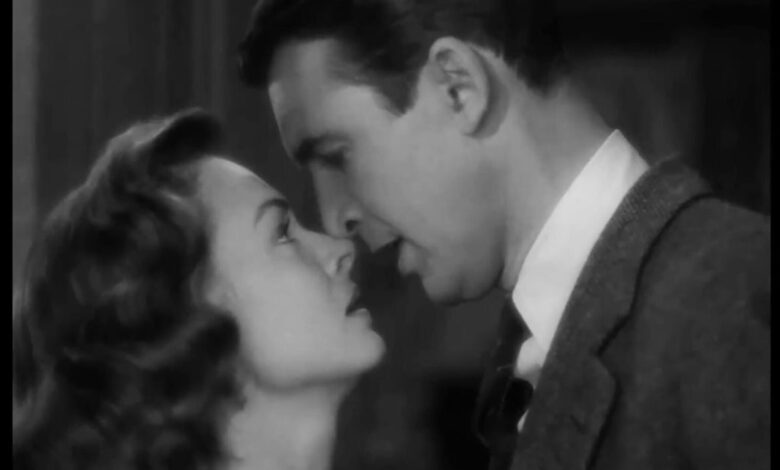
Speaking with interviewer Lee Cowan, Wasson focused specifically on the palpable chemistry and emotional depth shared by lead actors Jimmy Stewart and Donna Reed. Their on-screen romance, punctuated by a tense and memorable telephone-booch kiss scene, remains a masterclass in cinematic romantic tension, anchoring the surreal and often dark narrative of George Bailey’s existential crisis in Bedford Falls.
Despite its current status as a perennial holiday broadcast staple and a universally recognized cinematic masterpiece, the film was not an immediate financial juggernaut upon its release. Wasson noted that the picture failed to become the box office giant that Capra had originally anticipated, highlighting the gap between its initial commercial reception and its eventual legendary status.
Through careful direction and raw performances, Capra managed to forge a timeless narrative about community, despair, and redemption. The historian’s insights shed light on how artistic triumph often supersedes contemporary box office metrics, leaving behind a work that continues to resonate with generations of viewers long after its modest premiere.