Horror cinema has evolved through multiple phases over the past two decades, showcasing the genre’s capacity for deep social commentary and psychological exploration. The 2000s offered a fresh perspective on cinematic terror, using vampires, specters, and demons to examine human vulnerability. Within this modern era, several standout supernatural horror films have elevated traditional tropes to new heights.
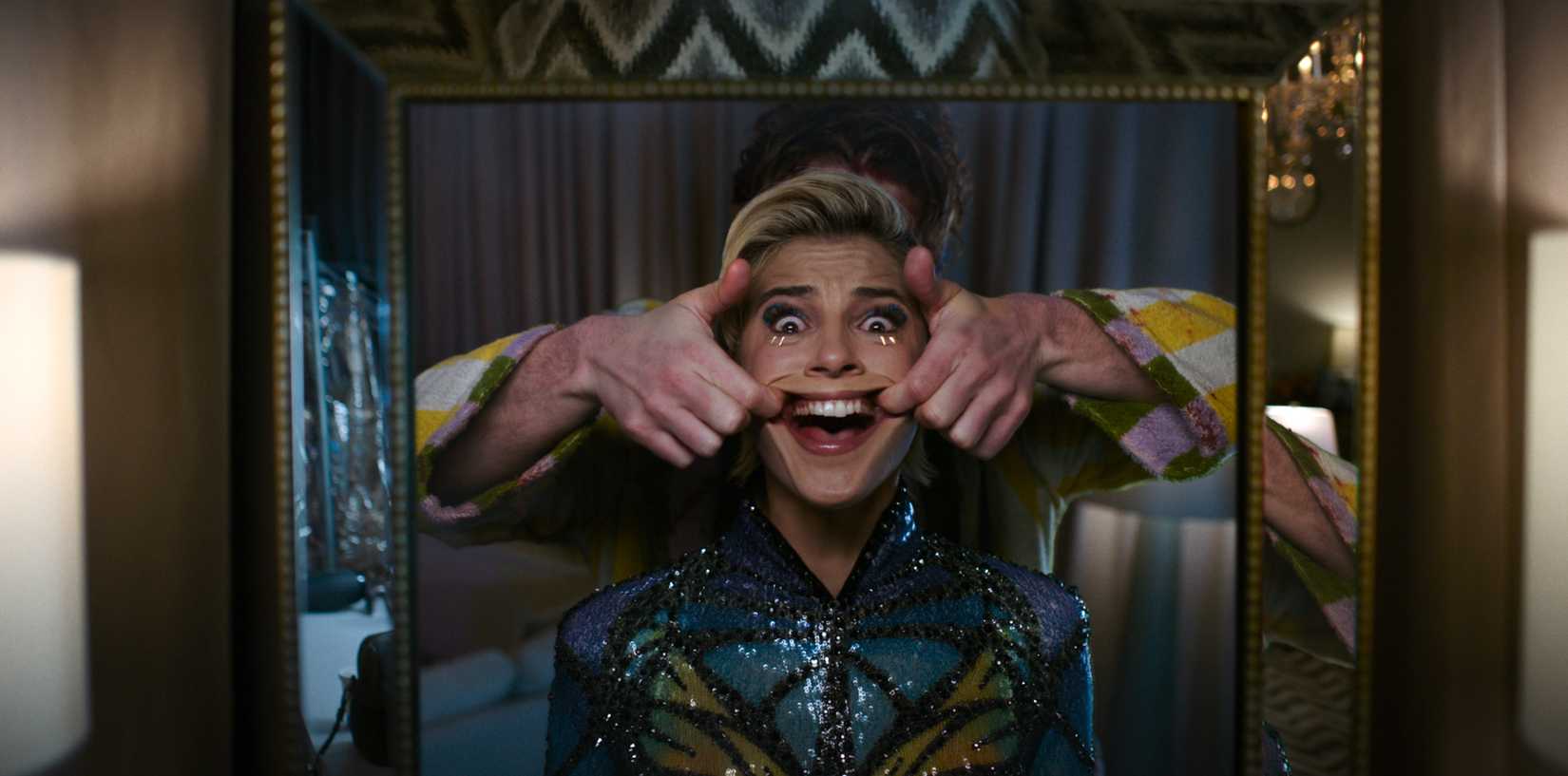
James Wan launched a major supernatural franchise in 2013 with The Conjuring, a period film that harkened back to 1970s horror aesthetics. Following paranormal investigators Ed and Lorraine Warren as they examine the Perron family’s allegedly haunted Rhode Island home, Wan harnessed period nostalgia while mastering the jump scare to create genuine, enduring chills. Meanwhile, the Smile franchise expanded its premise of a stalking entity in Smile 2, picking up directly after the first film’s cliffhanger as a curse passes to pop star Skye. Featuring a harrowing exploration of addiction and redemption alongside a standout performance by Naomi Scott, the sequel utilized hallucinations and uncertain reality to elevate the stakes.
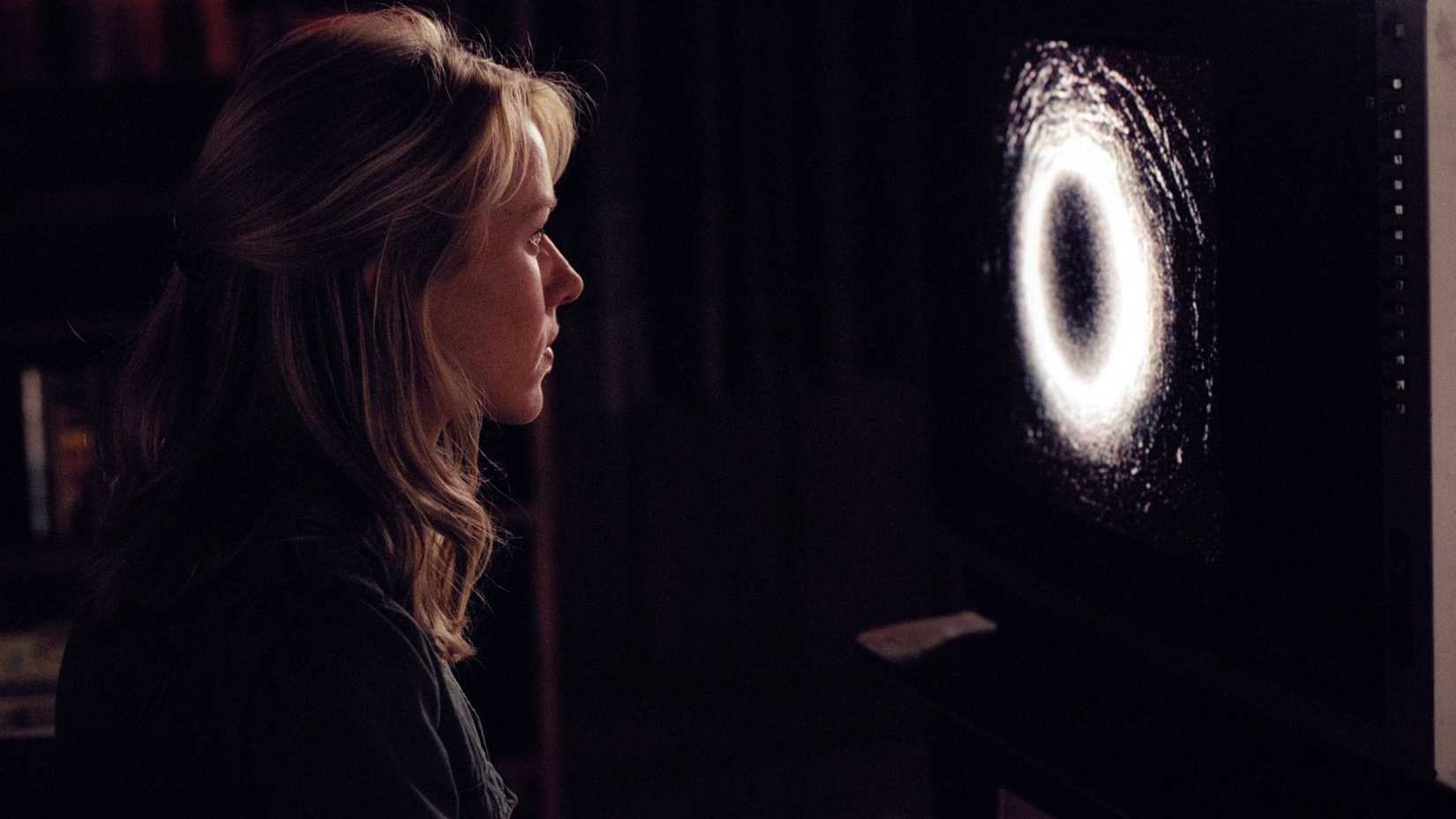
Japanese horror found its most successful American adaptation in Gore Verbinski’s 2002 film The Ring. Naomi Watts starred as investigative reporter Rachel, who is pulled into a deadly urban legend involving a cursed videotape that claims viewers within seven days. Blending intelligence with supernatural dread, the film became a pop-culture phenomenon that concluded with a controversial and clever choice for survival.
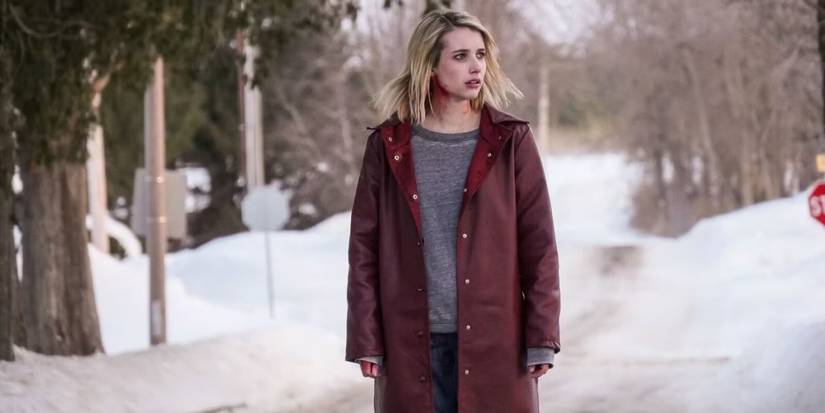
In the realm of demonic possession, Osgood Perkins directed The Blackcoat’s Daughter in 2015, a dramatic mystery wrapped in grief and loneliness. Set at an all-girls’ boarding school where a freshman named Kat is possessed by the devil, the art-house feature employed dual timelines to explore the tragic fallout. Similarly, Ari Aster’s 2003—or rather, 2018—breakout hit Hereditary initiated a new age for A24 by studying grief through the dark arts. When mourning mother Annie turns to the occult to reach her deceased daughter, she unwittingly completes a ritual to raise the demon Paimon, anchored by a devastating narrative turn and disturbing imagery.
Modern anxieties also shaped Curry Barker’s Obsession, a modernized monkey’s paw story. Following a terrified young man named Bear who uses a magical wish to make his friend Nicki love him, the film subverts nice-guy tropes by exposing the protagonist as the true villain who is obsessed with an idealized fiction rather than the real person. Australian horror film Talk to Me (2022) offered a similarly unsettling meditation on grief. Directed with brooding intensity, the story follows teenagers using an embalmed medium’s hand to invite spirits into their bodies, breaking the crucial 90-second rule and unleashing unrelenting terror.
Folk horror found a masterclass execution in Robert Eggers’ directorial debut, The Witch. Drawing heavily from primary sources of Puritan-era New England, the film chronicles a banished devout family plagued by an evil in the woods, highlighting Thomasin’s fall from grace through period-accurate dialogue and Anya Taylor-Joy’s acclaimed performance.
Looking toward upcoming and recent releases, Zach Cregger’s 2025 film Weapons delivers an engaging story untethered from heavy-handed social commentary. Dealing with child neglect, the plot centers on a community inflamed after 17 children from the same classroom disappear simultaneously, ultimately pointing to a parasitic witch played memorably by Amy Madigan. Similarly, Ryan Coogler’s 2025 feature Sinners blends a Jim Crow-era crime story with a vampire narrative. Spanning 24 hours as the Smokestack Twins attempt to open a nightclub, the film features Michael B. Jordan in dual roles confronting inner turmoil amidst a sudden vampire scourge, elevating the genre through striking music, visuals, and direction.