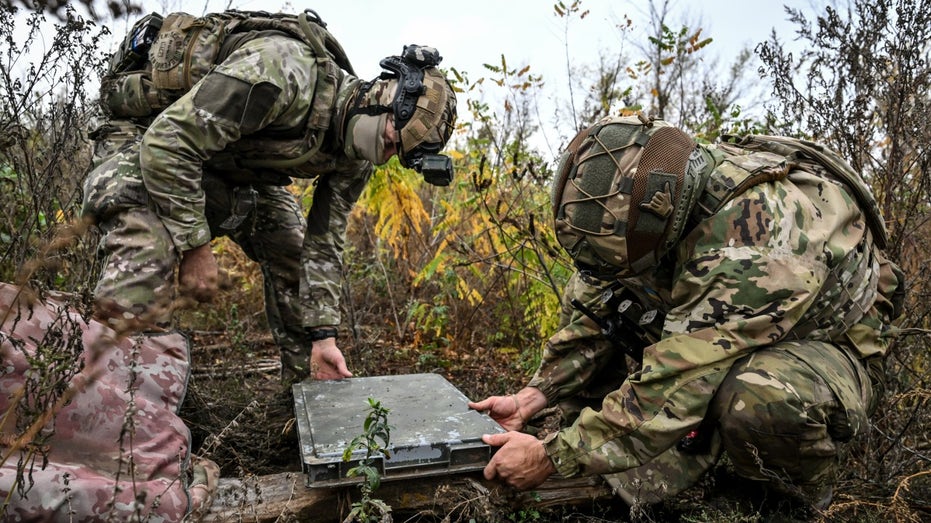
Ukraine’s Ministry of Defense announced Saturday that the military has regained broader access to Starlink, ending more than a week of technical restrictions that severely hampered high-speed drone operations and battlefield communications. The restoration of service comes during a pivotal week for the conflict, marked by both a localized humanitarian ceasefire in the south and high-stakes strikes against Russian industrial facilities.
According to Ukrainian officials, Starlink connections are now remaining stable at speeds of up to 250 mph. This marks a significant improvement from the previous week, when speed restrictions capped the service at roughly 100 mph. The limitation had been particularly detrimental to the operation of fast-moving military drones, which rely on low-latency satellite links to maintain precision while traveling at high velocities. While the specific cause of the initial slowdown remains a subject of intense debate, reports indicate that the restoration followed a Wednesday phone call between President Donald Trump and SpaceX CEO Elon Musk, during which the president reportedly asked that the service issues be addressed.
Inside the United States, the controversy over the satellite service’s role in the war has sparked differing views within the administration. Vice President JD Vance suggested that the U.S. government should play a more active role in managing the relationship with the service provider, stating that Musk should not be expected to navigate the complexities of the war without official direction. Conversely, Secretary of State Marco Rubio and War Secretary Pete Hegseth have denied that the federal government was responsible for the recent service degradation.
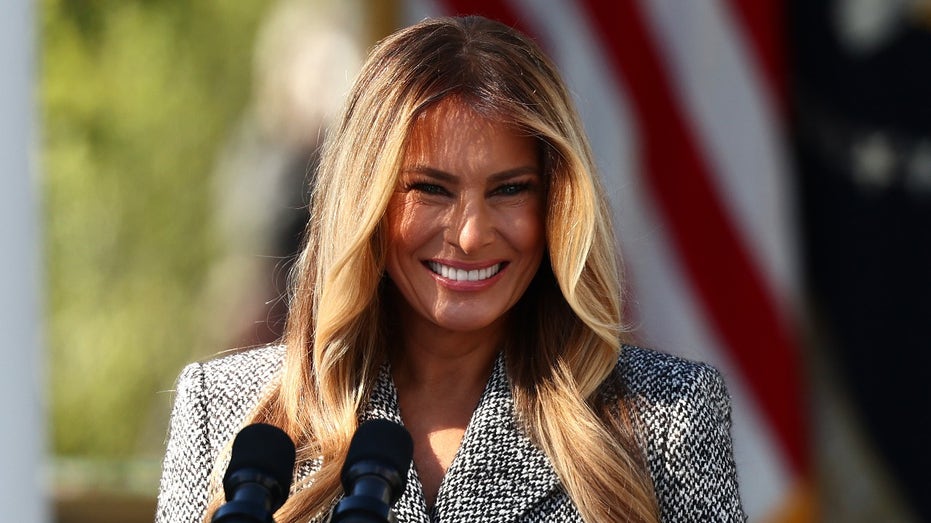
On the diplomatic front, a significant breakthrough was reached Friday regarding the Russian-occupied town of Oleshky in the southern Kherson region. Kyiv and Moscow have agreed to a localized ceasefire in the area, scheduled to begin on Oct. 29. The pause in fighting is intended to allow essential humanitarian aid to reach the war-torn town. The White House credited First Lady Melania Trump as a primary negotiator in securing the agreement, which represents a rare moment of cooperation in a conflict that has now lasted more than four years since the February 2022 invasion.
This localized success arrives as both nations signal a potential openness to broader resolutions. Russia agreed on Wednesday to participate in three-way negotiations involving Washington and Kyiv next month. President Volodymyr Zelenskyy has also indicated a shift in posture, stating he would be open to a ceasefire that freezes the current front lines, though such a proposal has historically met resistance from Moscow.
Despite the progress in Oleshky, high-intensity combat continues across other sectors. On Saturday, Ukraine’s General Staff confirmed successful strikes against two critical industrial targets deep inside Russian territory. One attack targeted a chemical plant in Tolyatti that produces materials for rocket fuel. Local reports from Tolyatti confirmed damage to several industrial facilities across the city. A second strike hit an electronics plant in Oryol, which Kyiv identifies as a production site for components used in cruise and ballistic missiles. Local officials in Oryol reported that three people were killed in that engagement.
Within Ukraine, Russian forces continued their aerial campaign. A missile strike on the city of Lozova in the Kharkiv region killed one man and injured two others on Saturday. As both sides prepare for next month’s high-level talks, the restoration of Starlink access provides a critical technical boost to Ukrainian forces maintaining their positions along the current lines of contact.