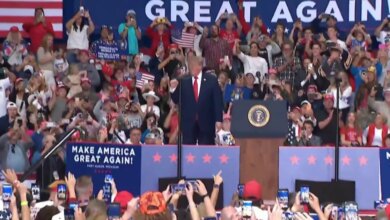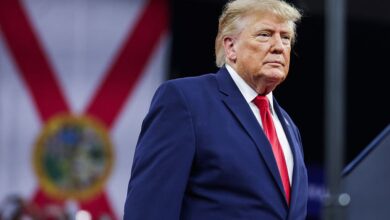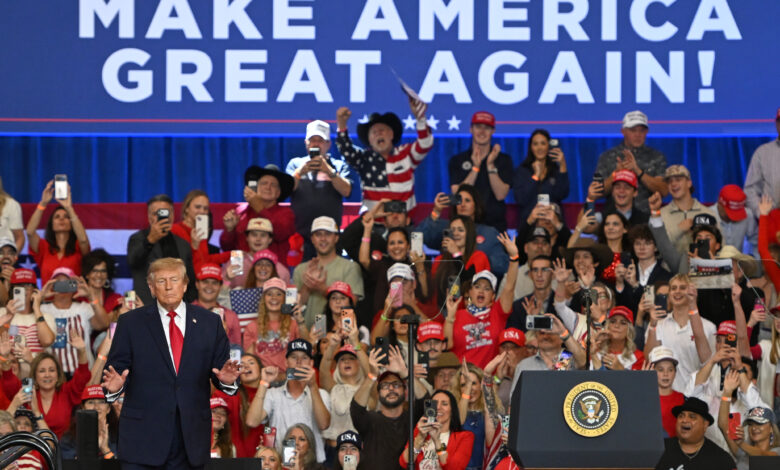
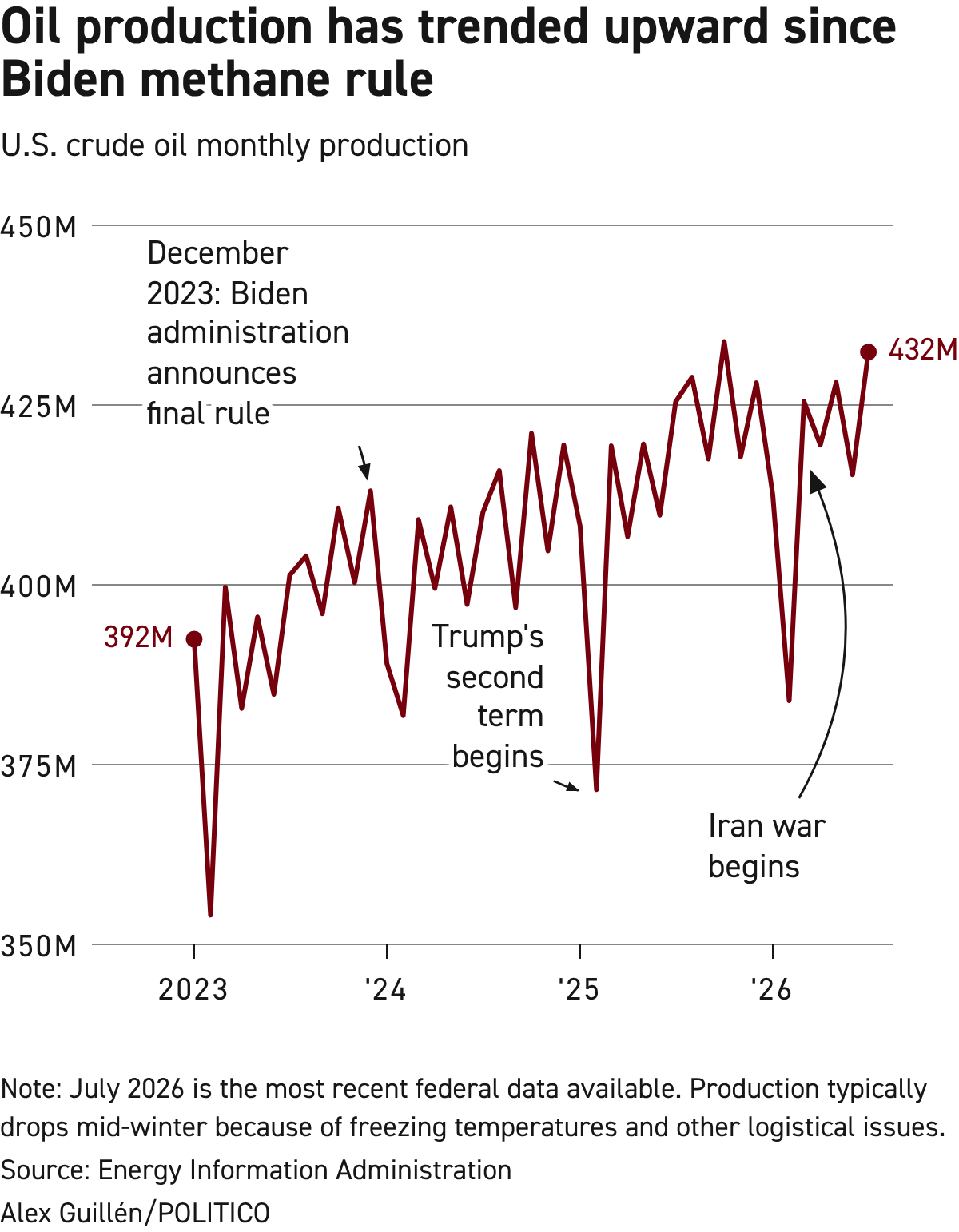
President Donald Trump traveled to West Texas on Tuesday to campaign for Republican Attorney General Ken Paxton, using the rally to announce a new U.S. EPA draft rule that dismantles Biden-era methane limits on oil and gas operations. The policy shift fulfills a long-standing goal for Paxton, who led the initial legal challenge against the federal regulation when it was introduced in 2024.
Speaking at the Lubbock Memorial Civic Center, Trump blamed prior administration policies for stifling domestic production and driving up household expenses. The president claimed the elimination of the methane requirements would save consumers and energy producers $45 billion in costs, unlock vast quantities of natural gas, and produce 210 million barrels of oil.
The announcement comes as GOP candidates nationwide face intense voter frustration over high gasoline prices, which have climbed amid ongoing conflicts in the Middle East. Average U.S. gasoline prices reached $4.27 per gallon on Tuesday, just one week before election day, a sharp increase from averages below $3 at the start of the year. Earlier on Tuesday, Trump toured an oil tanker to highlight a deal securing majority control of more than 65 billion barrels of Venezuelan oil reserves.
The EPA’s draft proposal targets one of the final major pillars of the previous administration’s climate agenda, which mandated that oil and gas operators monitor and repair infrastructure to curb methane leaks. Methane is considered a potent climate superpollutant, measuring more than 80 times as potent as carbon dioxide over a twenty-year period and accounting for approximately half a degree Celsius of observable global warming.
The proposed rollback provides the greatest relief to smaller, older operations producing no more than 15 gallons of petroleum per day. While these marginal wells contribute a disproportionate share of the sector’s methane pollution—roughly half, according to satellite data—they account for only 5 percent of total output. The new EPA proposal exempts these wells from the strictest monitoring and repair mandates.
Democratic lawmakers swiftly condemned the move. Sen. Sheldon Whitehouse of Rhode Island, ranking member on the Senate Environment and Public Works Committee, argued that satellite feeds clearly demonstrate massive methane leaks from fossil fuel operations. Rep. Jared Huffman of California, the expected chair of the Natural Resources Committee should Democrats win the House, pledged that his party would push back against the decision in Congress, calling the rollback reckless and contrary to the public interest.
Conversely, Republican leaders praised the administration’s deregulatory approach. A spokesperson for Sen. Shelley Moore Capito of West Virginia voiced support for measures aimed at lowering prices and keeping the state an energy powerhouse. Rep. Brett Guthrie, chair of the House Committee on Energy and Commerce, asserted that cutting bureaucratic regulations is critical for unleashing American energy.
Industry groups also welcomed the draft rule. Edith Naegele, president and CEO of the Independent Petroleum Association of America, noted that the 2024 regulations threatened hundreds of thousands of marginal wells nationwide. She described these wells as the backbone of an American energy success story that supports local tax revenue and family-sustaining jobs.
However, Texas energy analysts questioned whether the deregulatory move would meaningfully shift oil prices or voter sentiment in the short term. Andrew Lipow, a Texas-based oil analyst, noted that while regulations have historically hindered production, the recent price spikes are primarily driven by international conflicts, including the war involving Iran and the ongoing hostilities between Russia and Ukraine. Lipow predicted that prices will remain elevated regardless of whether the EPA slashes regulations.
Joe Brettell, an energy communications analyst based in Texas, suggested that leaning on a regulatory rollback during a rally held just a week before an election presents messaging challenges when voters are immediately feeling the squeeze at the pump.