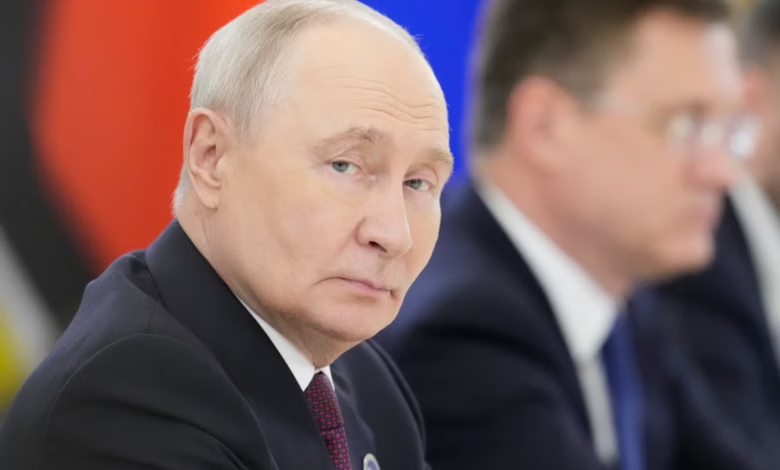
European capitals reacted with swift division on Tuesday after the leaders of Norway and Finland broke long-standing diplomatic convention to hold direct conversations with Russian President Vladimir Putin. Finnish President Alexander Stubb and Norwegian Prime Minister Jonas Gahr Stoere engaged in what they described as frank and substantive talks with the Kremlin leader in an effort to influence Russia’s position as the ongoing war in Ukraine approaches another winter.
The diplomatic initiative immediately drew fierce criticism from neighboring Nordic leaders and other European officials, who argued that Western nations should maintain a unified diplomatic front to isolate Moscow. Danish Prime Minister Mette Frederiksen voiced strong opposition to the move, stating that she saw no indication that Russia genuinely desired peace and arguing that Europe needed to stick together rather than pursuing individual diplomatic efforts.
Swedish Prime Minister Ulf Kristersson similarly noted that other European leaders had not been informed of the outreach beforehand. Kristersson expressed skepticism regarding the utility of such discussions, emphasizing his belief that the Russian leadership remains the sole obstacle to a peaceful resolution. Polish Prime Minister Donald Tusk also weighed in, cautioning Stubb and Stoere that absolute vigilance and caution are required when engaging in direct contacts with the Kremlin.
In a joint statement following the engagement, Prime Minister Stoere reported that he and President Stubb had spoken with Putin for approximately 90 minutes. They tied the diplomatic initiative to upcoming, planned peace discussions involving Russian, Ukrainian, and United States officials scheduled to take place in Abu Dhabi next month, which will mark the first such tripartite talks since February.
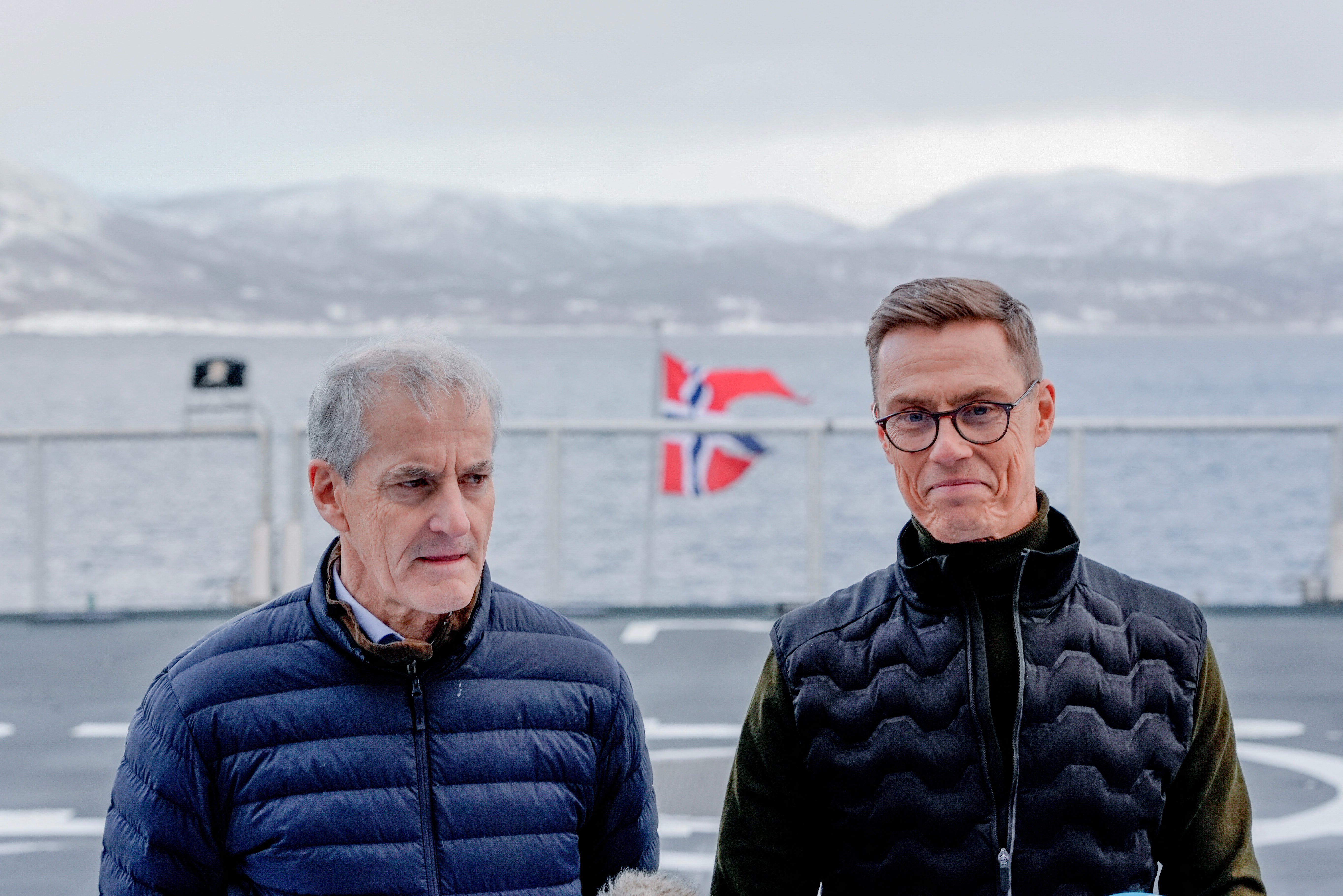
Stoere and Stubb emphasized that they used the conversation to stress the necessity of de-escalation while offering robust support for Ukraine. President Stubb defended the outreach by highlighting the geographical reality of their nations sharing a border with Russia. He noted that the outcome of the war carries direct consequences for regional and broader European security, asserting that bringing an end to hostilities ultimately requires direct dialogue.
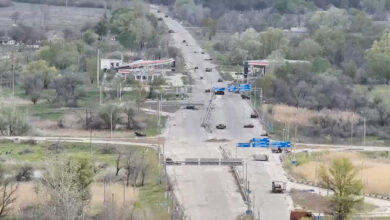
Crucially, Ukrainian officials confirmed that the bilateral outreach had been coordinated with Kyiv prior to taking place. Ukrainian Foreign Minister Andrii Sybiha welcomed the active support for diplomatic efforts and the broader peace process. He also expressed hope that a localized ceasefire around the Russian-occupied town of Oleshky could potentially pave the way for subsequent steps toward peace.
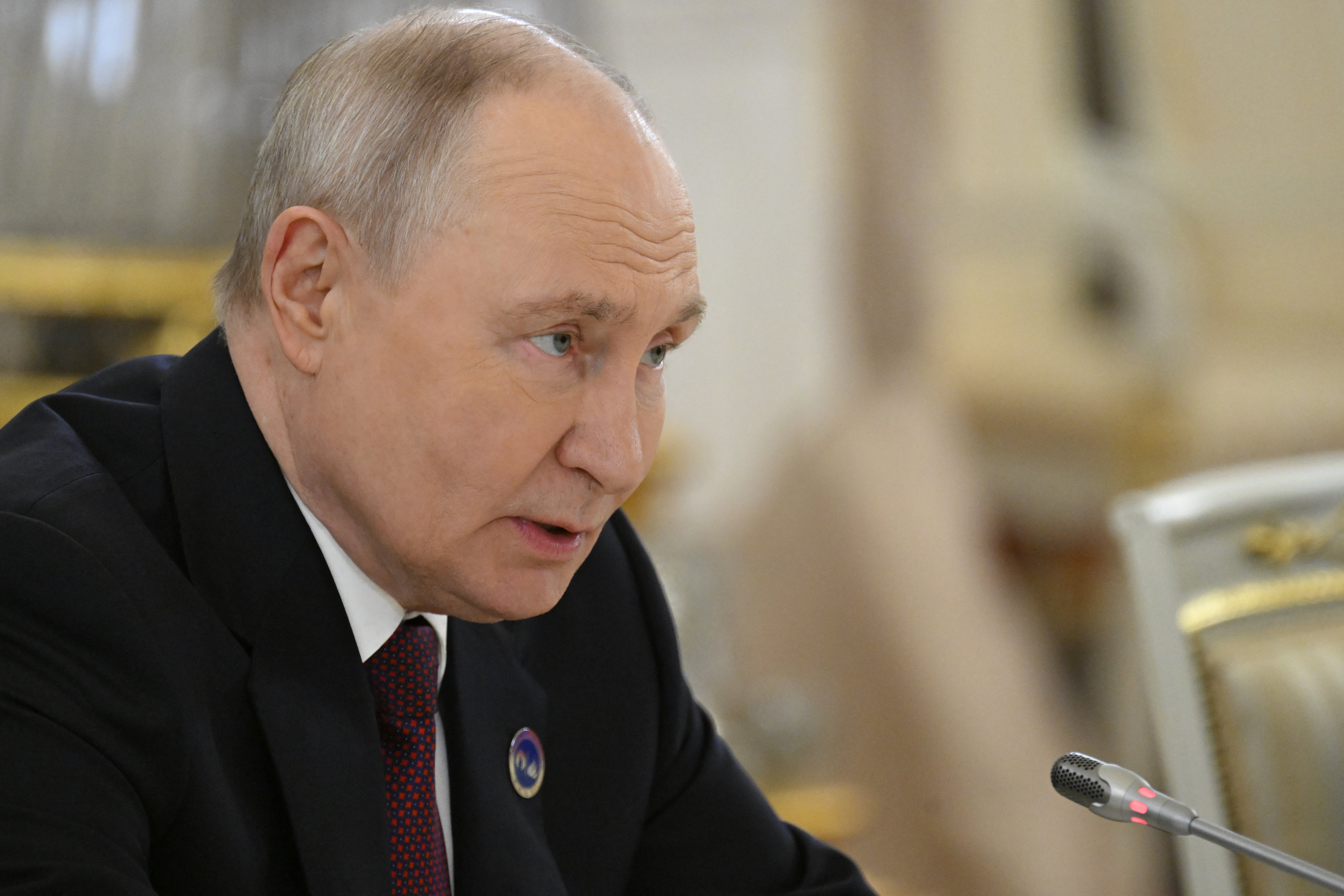
Meanwhile, Moscow’s readout of the call indicated no substantive softening of its core demands. The Kremlin maintained that a durable, long-term peace is achievable only if the security and legitimate interests of the Russian Federation are fully and unconditionally accommodated. Furthermore, Moscow reiterated its stance blaming European Union and NATO policies for prolonging the conflict.
Russian Foreign Minister Sergei Lavrov dismissed the conversation as offering nothing novel regarding the trajectory of the war, predicting further escalation while suggesting that European governments are primarily attempting to secure a seat at the negotiating table amid shifting geopolitical dynamics. Most Western European leaders have previously avoided direct communication with Putin in an effort to maintain his diplomatic isolation. However, recent diplomatic shifts led by the United States have left traditional European allies feeling sidelined and uncertain regarding the long-term reliability of transatlantic support.