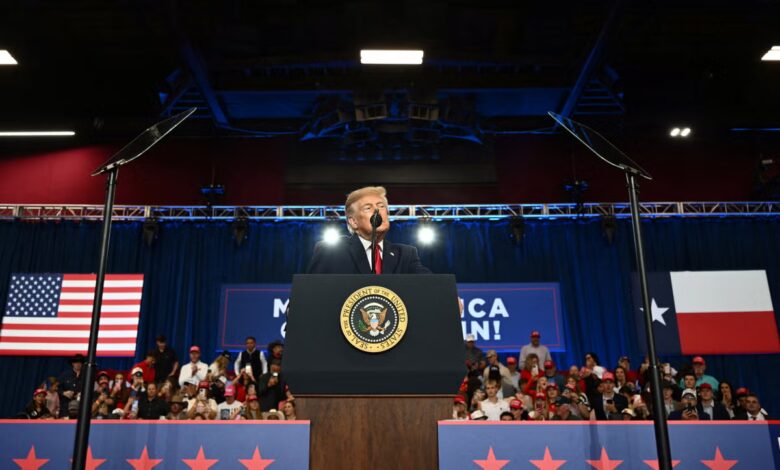
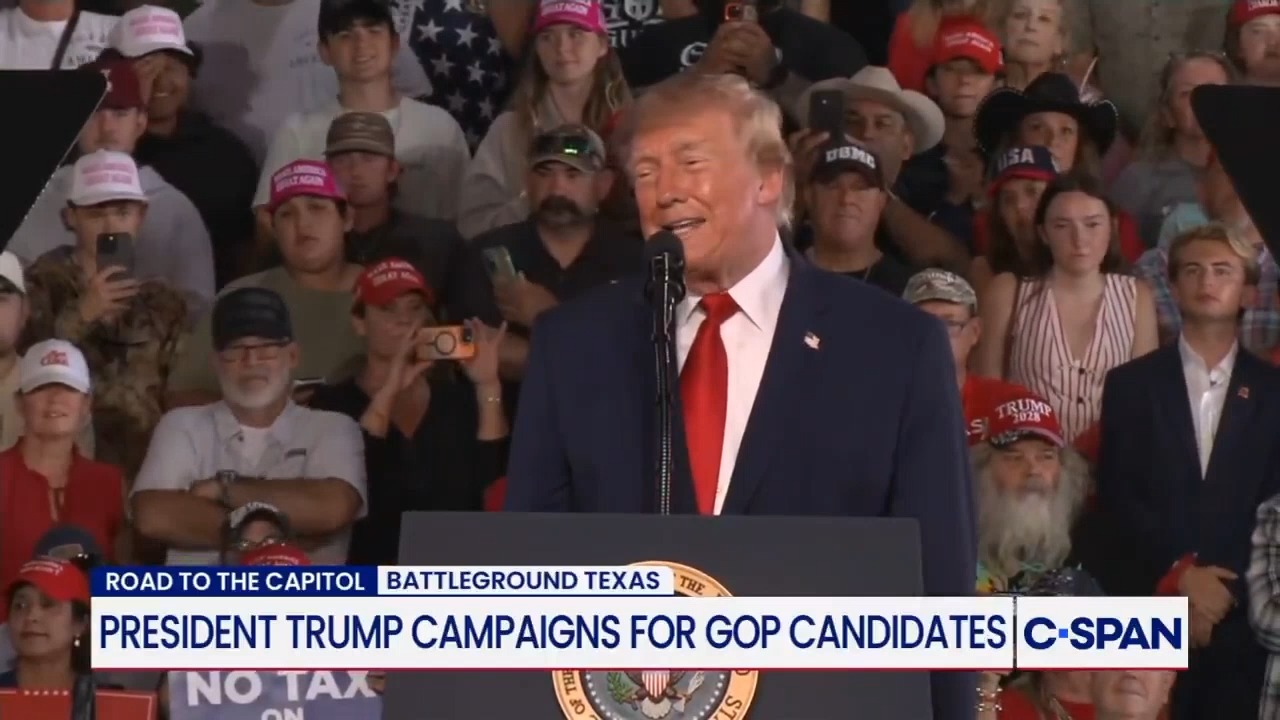
President Donald Trump visited Texas on Tuesday for a pair of high-energy rallies intended to bolster Republican candidates just one week before the 2026 midterm elections. Speaking to thousands of supporters in Lubbock following an earlier appearance in Corpus Christi, the president framed the upcoming vote as a decisive moment for his party’s control of Congress, while also setting specific conditions for his acceptance of the final tallies.
During his remarks in Lubbock, Trump claimed he has campaigned more aggressively for Republican candidates this cycle than he did for his own presidential campaigns. “I’ve done more rallies than I’ve ever done for myself,” he told the crowd. The president has maintained a grueling cross-country schedule in the lead-up to November 3, attempting to shore up support as polling indicates Republicans may face significant losses. However, Trump qualified his commitment to the democratic process, stating he would only accept the results of the midterms “if they’re honest elections.” The rhetoric mirrored statements he made prior to the 2024 election, which he ultimately won.

A central focus of the Texas swing was the Senate campaign of Ken Paxton, the state’s Republican Attorney General now seeking a seat in the upper chamber. Paxton is currently locked in a tight race with Democrat James Talarico. Recent polling data illustrates the volatility of the contest. One survey showed Talarico leading Paxton by five points, 50 to 45 percent, while another poll showed a much narrower two-point lead for the Democrat. A third survey found the two candidates deadlocked at 49 percent each.
Beyond domestic politics, Trump used his platform in Corpus Christi to pitch an unconventional foreign policy proposal: incorporating Venezuela as the 51st U.S. state. Suggesting that the South American nation could find prosperity under American administration, Trump told supporters, “Let’s make it the 51st state, and then instead of a president we’ll have an election for a governor.” The president has previously floated similar ideas regarding Greenland and Canada, proposals that have historically triggered significant diplomatic friction.

The president also addressed the economic dimensions of the ongoing Iran war. He claimed the United States is “making a fortune” due to the conflict in the Middle East, specifically citing the increased activity at domestic oil refineries. “Your country is making an absolute fortune because of the situation in the Middle East,” Trump said. “We’re steering them all to Texas… Everybody is a beneficiary, the whole country.”
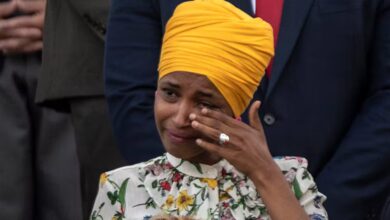
The rallies were marked by the president’s familiar brand of confrontational rhetoric. In Lubbock, Trump was heckled by protesters just minutes into his speech, responding with personal insults directed at the agitators. He also intensified his attacks on Democratic Congresswoman Ilhan Omar, using disparaging language to describe her native country of Somalia, which he labeled one of the “worst couple of countries in the world.”

These campaign stops occur against a backdrop of historic spending and voter dissatisfaction. Political advertising trackers indicate the 2026 midterm cycle has become the most expensive in U.S. history, with total spending surpassing $11.21 billion. Despite the financial influx, the president’s approval rating has dipped to record lows as voters grapple with the cost of living and the impact of the Middle Eastern conflict.
Legal challenges related to the political climate have also surfaced elsewhere in the country. In Oregon, a 59-year-old man named Neil Daniels recently filed a $75,000 civil lawsuit against local officials following an arrest for disorderly conduct in 2024. Daniels, who was arrested after yelling “Trump’s a loser” during a solo protest, alleges his free speech rights were violated. The lawsuit claims that Coos County Commissioner Rod Taylor, a Trump supporter who was present at the U.S. Capitol during the January 6 riots, was the individual who called 911 on him.
As the final week of the campaign begins, some analysts suggest the results could signal a major shift in the American political landscape. Prominent polling analyst Nate Silver noted in a recent interview that if the elections follow current polling trends, it could represent the beginning of the end of the Trump era. Silver argued that while the president would remain in office for two more years, a substantial Republican defeat would render him a “super-lame duck,” effectively shifting the national focus to the 2028 presidential cycle the moment the votes are counted.