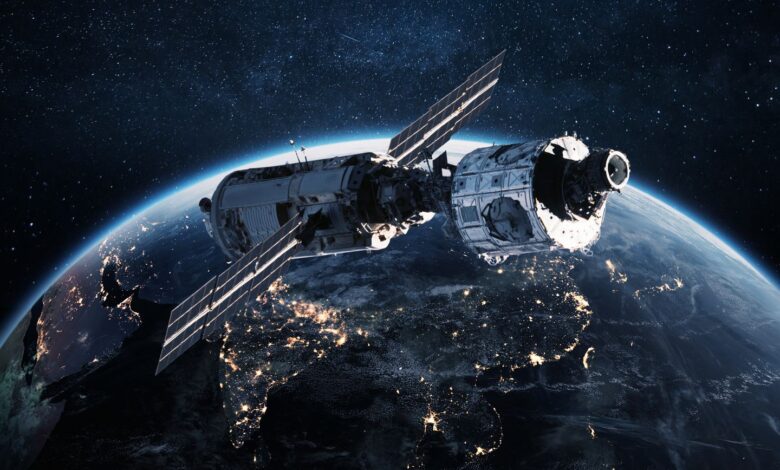
The strategic demands of modern orbit are forcing a shift in how spacecraft operate, with maneuverability and advanced propulsion emerging as central pillars for national security in space. Kristin Houston, chief executive officer of Rocketdyne, discussed the technological imperatives facing space missions during a recent industry appearance.
As congestion and competition increase in Earth orbit, the ability of a satellite to change trajectories, evade threats, and reposition dynamically has become paramount. Houston emphasized that traditional, predictable orbital paths leave assets vulnerable, making maneuverability a fundamental requirement for maintaining operational resilience and strategic superiority.
Beyond basic thruster agility, future deep-space and complex orbital missions will likely require radical shifts in energy generation. Houston pointed to nuclear power as a critical enabler for upcoming missions, noting that traditional solar arrays face limitations in power output and operational flexibility as spacecraft venture further or demand higher energy loads for onboard systems.
The integration of nuclear propulsion and high-capacity power sources addresses these scaling challenges, providing the sustained energy necessary for continuous high-thrust maneuvers and advanced payload operations. These technological developments underline an ongoing transition toward more autonomous, resilient, and versatile space infrastructure capable of meeting evolving defense and exploration objectives.