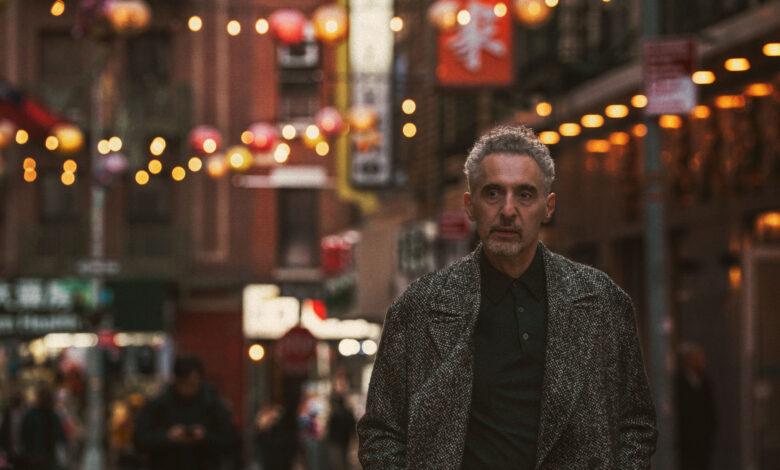
A pickpocket in 2020s New York faces an uphill battle in a city where physical cash is increasingly rare and credit cards are virtually useless for street-level heists. This economic reality forms the backdrop of The Only Living Pickpocket in New York, a nimble and affecting drama written and directed by Noah Segan. The film follows Harry Lehman, played with lived-in ease by John Turturro, a veteran thief whose observant eye and dexterous fingers recall an era of New York that has largely vanished.
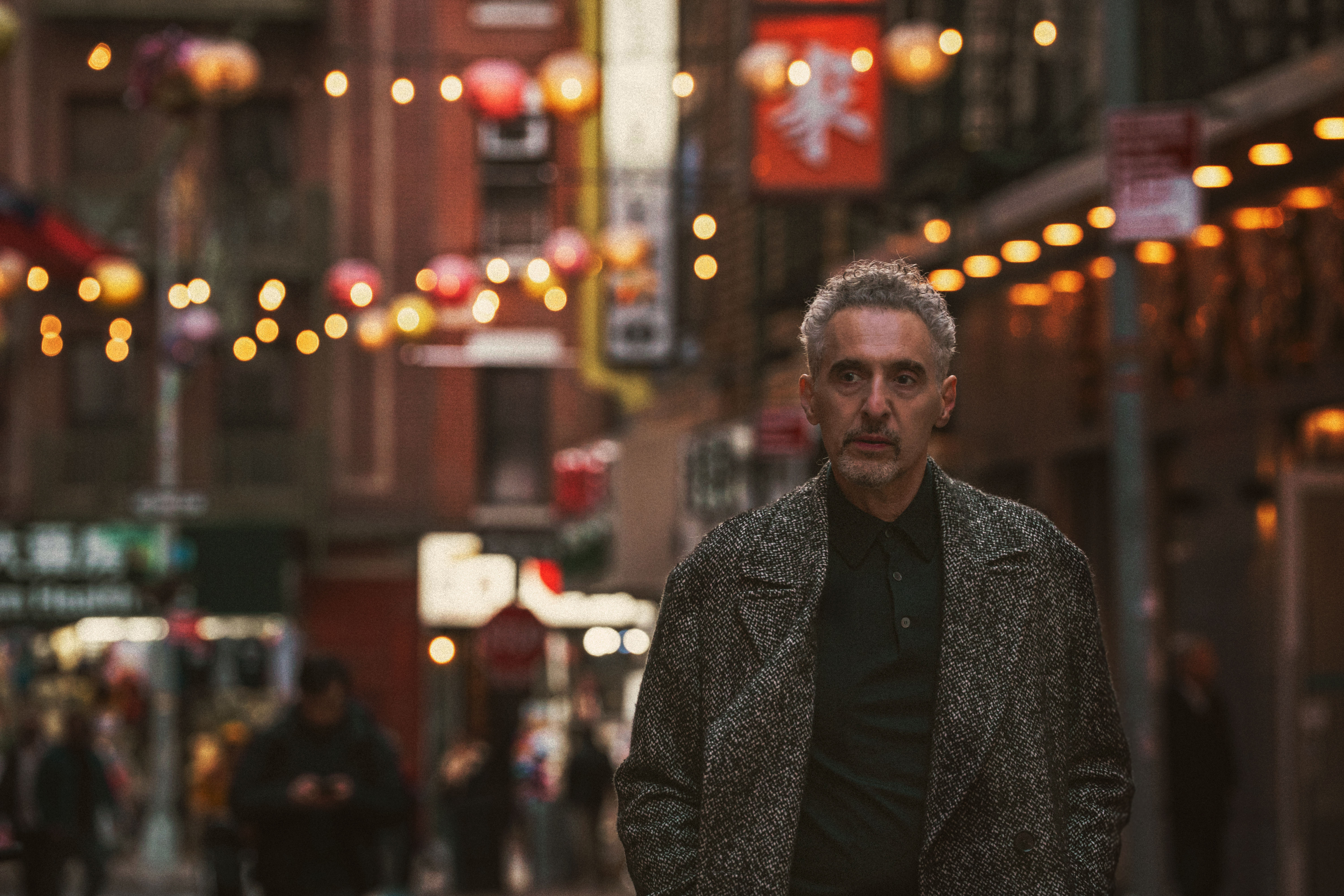
Harry’s daily routine involves gliding through the subway system in an elegant, decades-old tweed coat, identifying distracted commuters lost in their earbuds or careless with their belongings. Despite the loneliness of his trade, Harry’s life is grounded by his devotion to his wife, Rosie, played by Karina Arroyave. Though Rosie suffers from an unnamed ailment that leaves her unable to move or speak, Harry cares for her tenderly. In one poignant scene, he plays Odyssey’s 1977 disco hit “Native New Yorker” and performs a graceful disco-salsa shuffle to entertain them both.
Funding Rosie’s care requires Harry to hustle harder than ever in a changing metropolis. Watches remain a viable commodity when fenced through his close friend and co-conspirator Ben, a wily pawnshop owner played by Steve Buscemi. Ben also handles stolen phones, which are routed to Frank—portrayed by Kelvin Han Yee—in Chinatown for scrubbing before being shipped overseas. Harry’s criminal operations take a dangerous turn when he lifts a USB crypto wallet from Dylan, a brazen young criminal played by Will Price. When plugged into Ben’s vintage personal computer, the device crashes the system, prompting Ben to send Harry to Frank’s herb shop downtown, setting off the film’s thriller elements.
Blending drama, comedy, and thriller conventions, the film showcases Segan’s remarkably light directorial touch. Segan, known primarily as an acting collaborator with director Rian Johnson and the director of the 2002 horror feature Blood Relatives, navigates the shifting narrative tones with skill. The production benefits immensely from cinematographer Sam Levy, whose work on Frances Ha and Lady Bird informs his ability to capture New York from the Bronx to Chinatown in a shabby-shiny glory that bridges past and present.
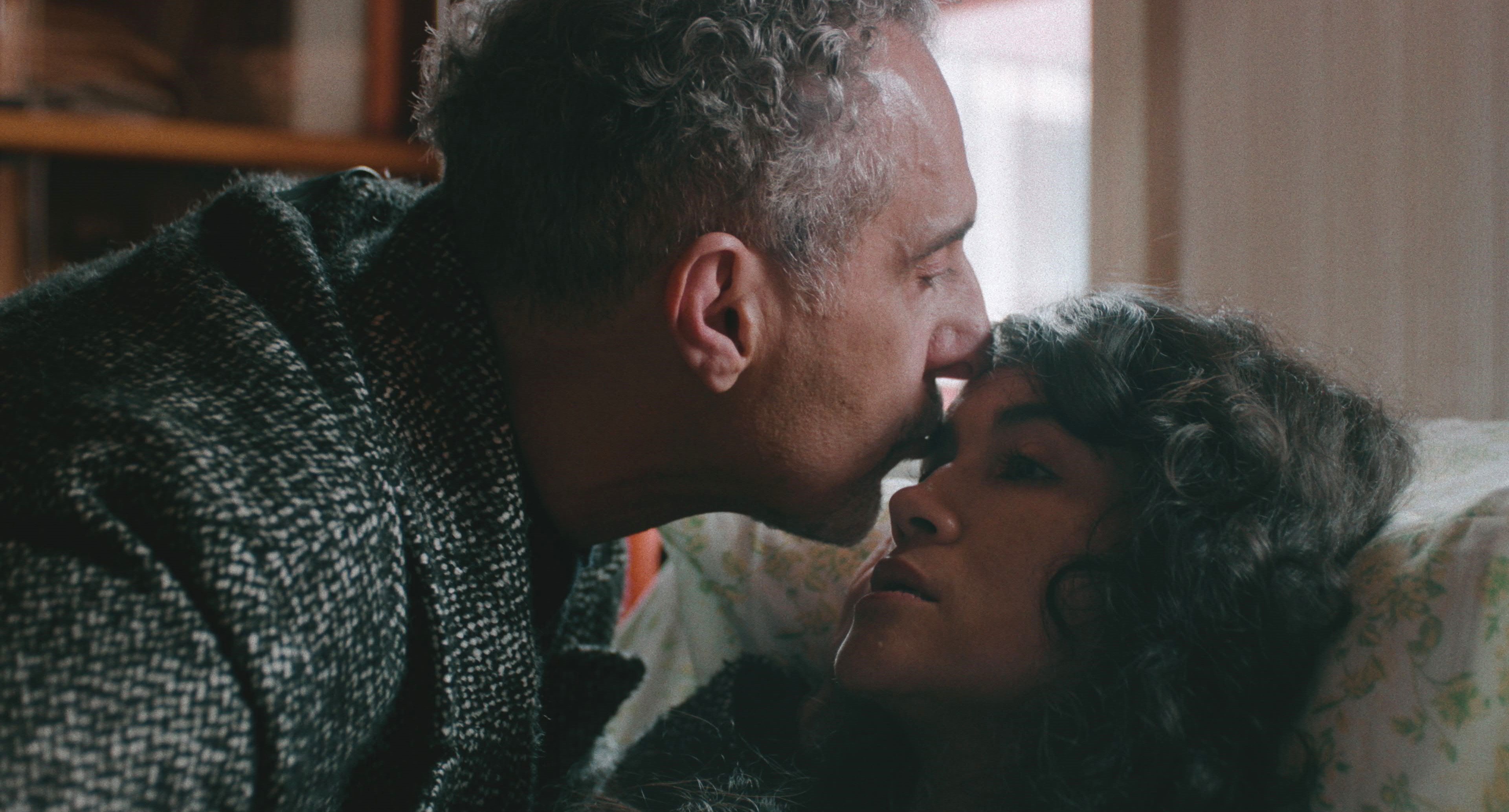
Turturro’s performance anchors the narrative, marking a mature evolution from the tightly coiled, explosive energy that defined his early work with Spike Lee and the Coen Brothers. While flashes of that old combustibility remain behind his smile, Turturro infuses Harry with a profound tenderness and range. In the film’s first act, Harry appears to be simply a relic of 1970s and 1980s New York—a world of strobe-lit dance clubs and independent cinemas—who suggests watching Barbara Stanwyck movies with Rosie. Yet the narrative reveals deeper layers of past mistakes and a quiet determination to make amends.
Opposite Turturro, Giancarlo Esposito appears as a detective, adding gravity to the unfolding urban cat-and-mouse dynamic. Ultimately, Turturro’s portrayal captures the gritty glamour of a changing metropolis where physical safety and economic utility have shifted, but the underlying rhythm of street life endures.