Deadly High-Speed Train Collision in Spain Leaves Atleast 64 Dead Following Similar January Crash

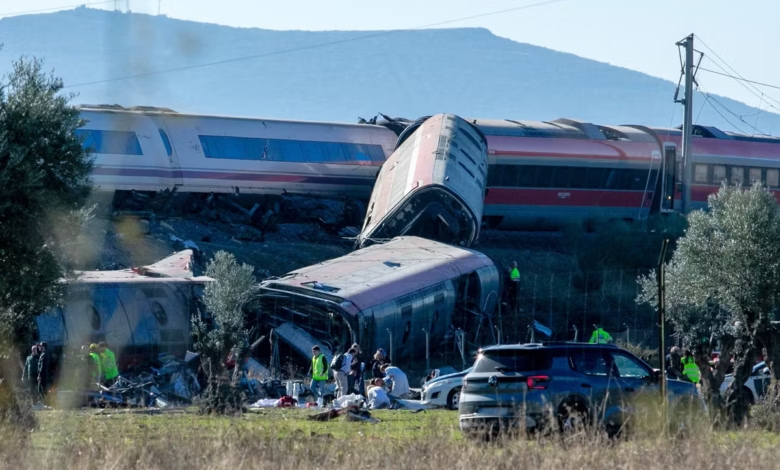
Rescue workers in Spain searched through train wreckage on Wednesday following a high-speed collision between two trains that left at least 64 people dead. The disaster unfolded on a flat stretch of track surrounded by fields between the towns of Urda and Los Yébenes, marking the country’s second fatal railway accident this year.
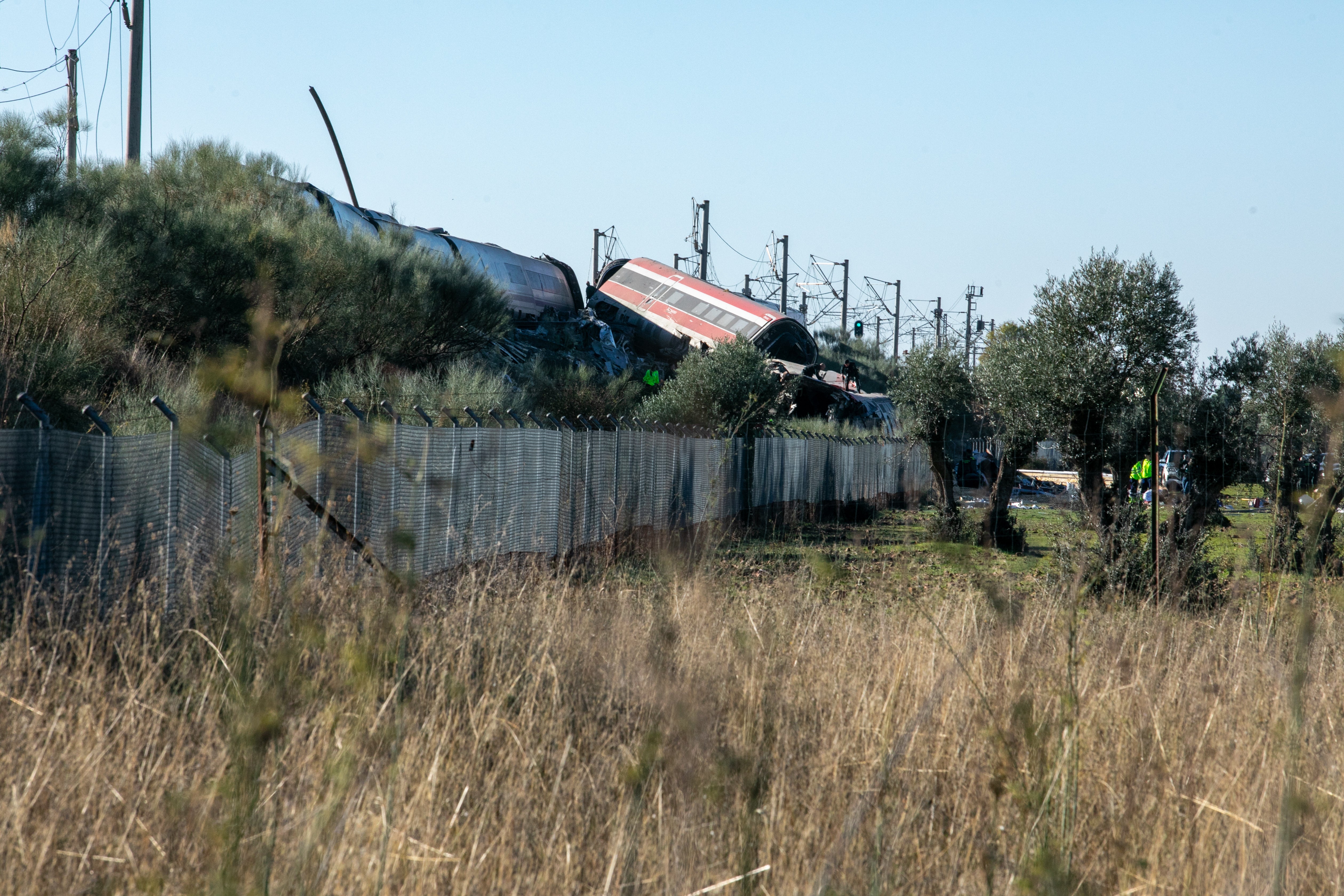
Evacuated passengers streamed along a nearby road, some carrying suitcases and bearing bandaged wounds or blood splatters, while volunteers supplied donated water from neighboring towns. Hundreds of emergency vehicles, including ambulances, helicopters, and funeral home vans, massed near the site. Several carriages rested on an elevated section of track, while twisted metal and broken panels littered the embankment below where at least three cars had plunged.

According to an individual briefed on the disaster, the collision occurred when an express train operated by Spanish rail company Iryo stopped near Toledo due to a signal fault on orders from infrastructure manager ADIF. A high-speed train operated by Renfe subsequently struck the stationary train from behind, knocking two cars off the track and causing several carriages from both trains to derail. One car was shredded into fragments, scattering debris down a gravel slope. Neither Iryo nor Renfe immediately responded to requests for comment.
Traffic on the Madrid-Andalusia high-speed rail line was suspended following the incident. The tragedy comes nine months after a similar collision on the same line involving trains from the same operators resulted in 46 deaths.
Regarding the January incident, a source briefed on a preliminary probe stated that experts examining the site identified wear on a rail joint, known as a fishplate, indicating a pre-existing fault. Investigators found that the compromised joint created a gap between rail sections that widened as additional trains traversed the track. That earlier collision had sparked public debate concerning investment levels in railway maintenance.
Data from Spain’s railway safety authority indicates that railway accidents, including collisions and derailments, rose from 45 in 2016 to 57 in 2024, reaching 69 last year. Over the same timeframe, recorded rail deterioration issues and rail breaks shifted from 494 and 667, remaining below the 716 incidents registered in 2024.