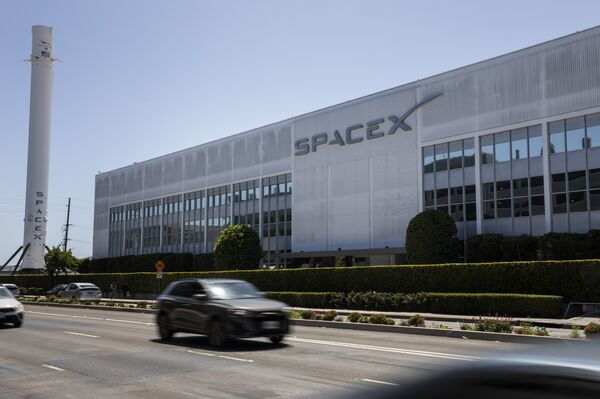
SpaceX, the aerospace giant headquartered in Hawthorne, California, has entered into a massive $40 billion equipment-finance lease agreement with Apollo Global Management Inc. The arrangement is designed to bankroll the acquisition of the specialized semiconductors essential for the company’s burgeoning artificial intelligence operations.
The deal, disclosed in a regulatory filing on Monday, October 26, 2026, is structured to provide the capital necessary for purchasing high-end graphics processing units (GPUs) from Nvidia Corp. Elon Musk, the CEO of SpaceX, highlighted the importance of the financing in a post on the social media platform X over the weekend, emphasizing the role of Nvidia hardware in the company’s AI future.
While the broad terms of the agreement are in place, several key financial details remain in flux. The filing indicates that the fixed interest rate for the financing will be established during a formal pricing process, which has not yet occurred. Despite the pending pricing, the agreement is slated to close before the end of the current year, with the equipment leases scheduled to begin in the first half of 2027.
The financing is being facilitated through an off-balance sheet entity that will issue private bonds. This structure is frequently utilized by large corporations to manage significant debt loads without directly impacting their primary financial statements, a move that provides a layer of separation for the parent company while still securing the necessary assets for expansion.
This multi-billion-dollar commitment arrives at a precarious moment for the artificial intelligence industry in the global debt markets. The past week has been marked by significant volatility as investors and lenders grow increasingly wary of the rapid capital expenditures associated with AI infrastructure. There is a mounting concern among market participants regarding the timeline for AI-driven profitability, leading many to question whether the current level of spending is sustainable compared to the limited profits demonstrated by the sector so far.
Because of this growing skepticism, investors have begun demanding higher premiums to finance AI-oriented debt. This shift in market sentiment reportedly roiled the pricing discussions between SpaceX and its creditors, as the company sought to navigate a landscape where the cost of borrowing for AI technology is becoming increasingly expensive despite the high profile of the borrower.
The discrepancy between Musk’s public optimism and the ongoing nature of the deal’s pricing underscores the complex negotiations required to secure such a large-scale financing package. While Musk indicated the deal was moving forward, the official documentation clarifies that the final financial commitments depend on the results of the upcoming pricing event.
As SpaceX continues to integrate AI into its satellite and launch operations, the $40 billion facility represents one of the largest single commitments to hardware financing seen in the sector. The outcome of the deal will likely serve as a benchmark for how other technology-heavy firms navigate the cooling enthusiasm of debt markets toward high-cost AI development and infrastructure build-outs.