In a striking 24-hour span across two continents, insurgent movements and mobilized electorates delivered back-to-back defeats to right-wing political forces in Serbia and Brazil. The unexpected outcomes have injected new momentum into discussions about the efficacy of grassroots organizing and mass public mobilization in challenging entrenched political machines.
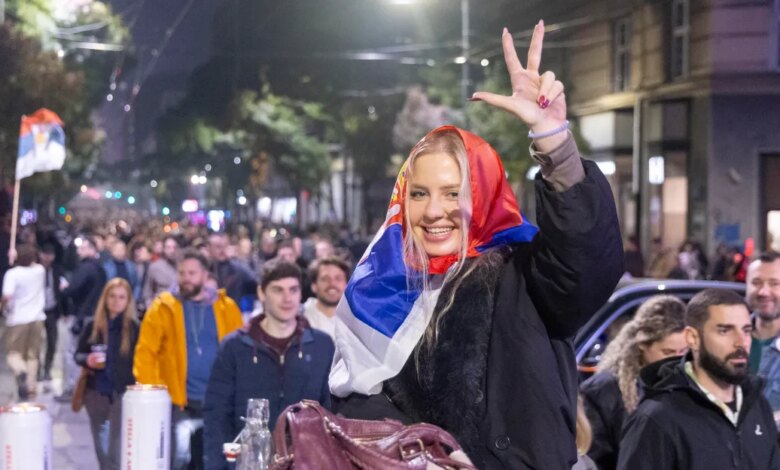
In Serbia, an insurgent student-backed movement successfully unseated the country’s ruling right-wing political apparatus during Sunday’s parliamentary elections. The political awakening traces back to 2024, when the partial collapse of a railway station killed 16 people. Widespread public anger over the government’s failure to fully explain the tragedy or hold anyone accountable ignited months of protest bike rides, marches, and demonstrations. That sustained civic energy ultimately crystallized into the Student List, an opposition electoral slate that fielded 250 candidates in the parliamentary vote.
Despite the breakthrough, analysts note that the nascent movement faces significant hurdles ahead, including the complex task of establishing a functioning government, appointing a prime minister, and drafting a comprehensive policy platform from scratch.
Halfway around the globe in Brazil, incumbent President Luiz Inácio Lula da Silva secured reelection in a high-stakes runoff against far-right challenger Flávio Bolsonaro, the son and political heir of former President Jair Bolsonaro. Lula had initially placed second in the country’s first-round popular vote, a result that served as an immediate wake-up call for his supporters. Following that initial setback, mobilization surged to unprecedented levels across the country.
According to Guilherme Casarões, an associate professor of Brazilian studies at Florida International University, no previous runoff campaign in Brazil has drawn such massive participation to the streets and digital platforms. A single WhatsApp channel dedicated to turning out voters for Lula expanded dramatically, surging from 50,000 followers after the first-round loss to nearly 11 million followers. Despite the decisive outcome, challenges remain as Flávio Bolsonaro has thus far refused to concede the race.
Academics and election watchers monitoring both contests have attributed the surprising results largely to the power of mass protests and rigorous grassroots organizing, which proved capable of mobilizing unexpected segments of the electorate.