Microsoft is working to modernize and simplify native Windows application development by pairing its WinUI 3 framework with lightweight command-line tools and artificial intelligence coding assistants. The initiative aims to reduce the steep learning curve and complex toolchains that have historically driven independent developers and small teams toward cross-platform web technologies.
WinUI 3 serves as Microsoft’s primary native user interface framework for modern desktop applications, supporting both C# and C++ while integrating deeply with the Windows Fluent Design system, system windows, and hardware controls. While native applications have traditionally offered superior launch speeds, resource efficiency, and system consistency compared to web-wrapped alternatives, developers often faced cumbersome setup requirements. Creating traditional projects required installing heavy integrated development environments like Visual Studio, mastering XAML description languages, and manually managing application packaging, digital signatures, and MSIX certificates.
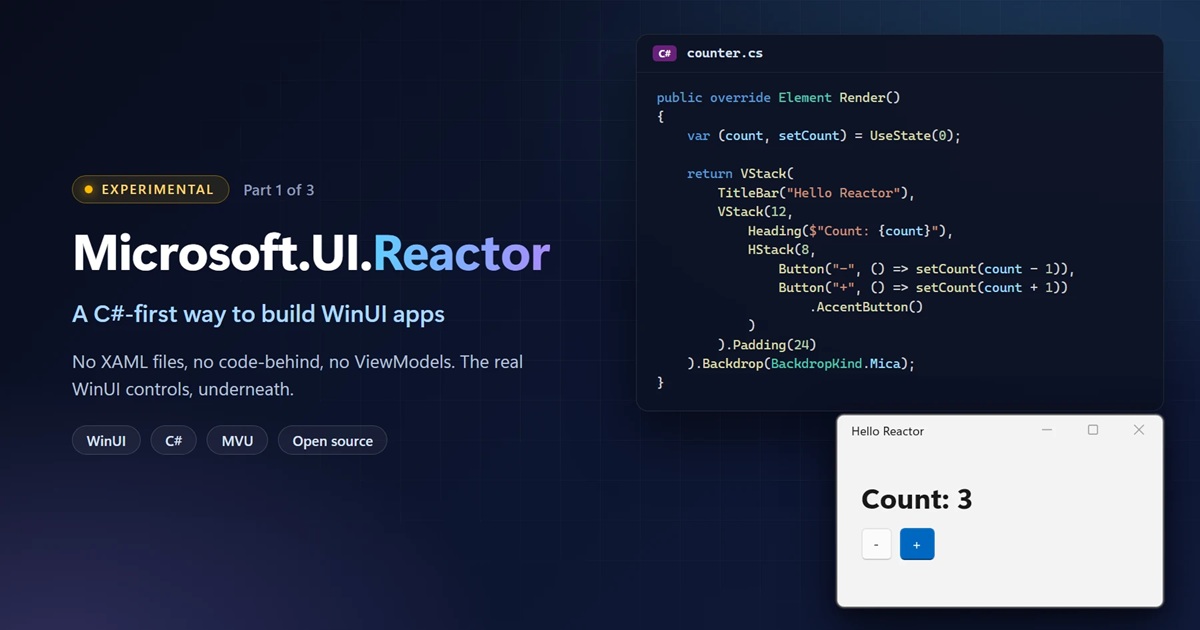
Under the updated developer workflow, programmers can bypass heavy graphical environments by creating, compiling, and running WinUI projects directly through command-line interfaces. The updated toolsets are designed to streamline application packaging and registration, reducing the manual burden of handling MSIX software packages and signature configurations. According to Microsoft, developers utilizing modern quick-start templates alongside Visual Studio Code, command-line utilities, and AI programming assistants can construct basic application frameworks from a blank directory in approximately 30 minutes. This timeframe applies specifically to streamlined introductory templates and does not imply that complex, feature-complete software can be built and tested within the same window.
Artificial intelligence represents a core pillar of the strategy. Microsoft is integrating specialized capabilities into programming assistants such as GitHub Copilot, allowing developers to use natural language prompts to generate code, build user interfaces, handle routine maintenance tasks, and uncover bugs through automated code reviews and testing. However, industry observers note that while AI significantly lowers the barrier to entry by accelerating code generation, it does not automatically guarantee robust software architecture, low resource utilization, or robust security. Without rigorous developer oversight and performance optimization, heavily automated code generation risks replicating the memory bloat and performance inefficiencies often associated with poorly optimized web-wrapped applications.
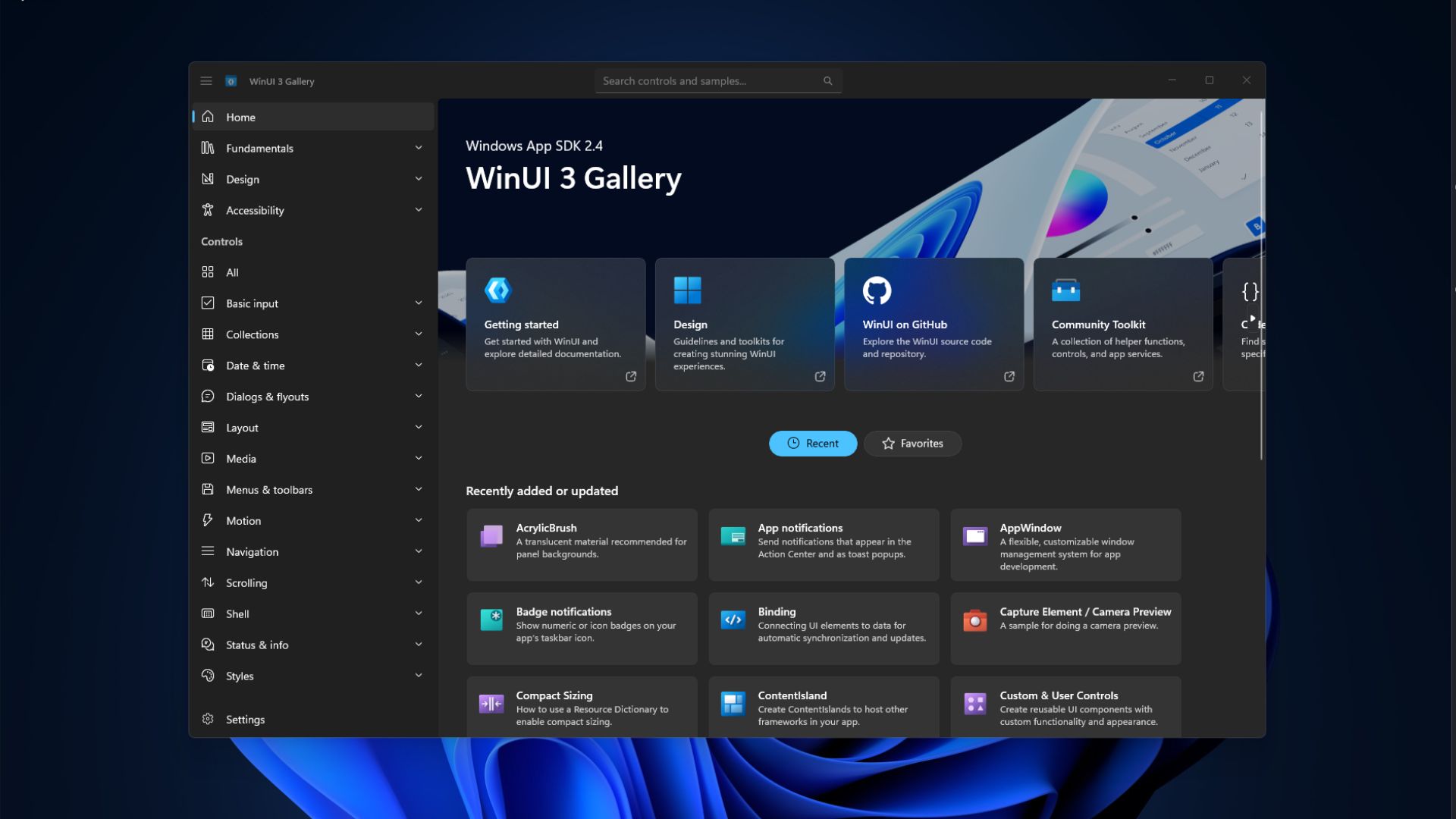
To address long-standing user interface complaints, Microsoft is actively working to resolve technical gaps within the WinUI framework itself, targeting historical issues such as screen tearing and black borders during window resizing. The company is also eating its own cooking by rebuilding core Windows 11 system components using modern native frameworks. The Windows search interface, along with various legacy system dialogs and management utilities, is gradually transitioning to WinUI 3 to achieve greater visual and performance consistency across the operating system.
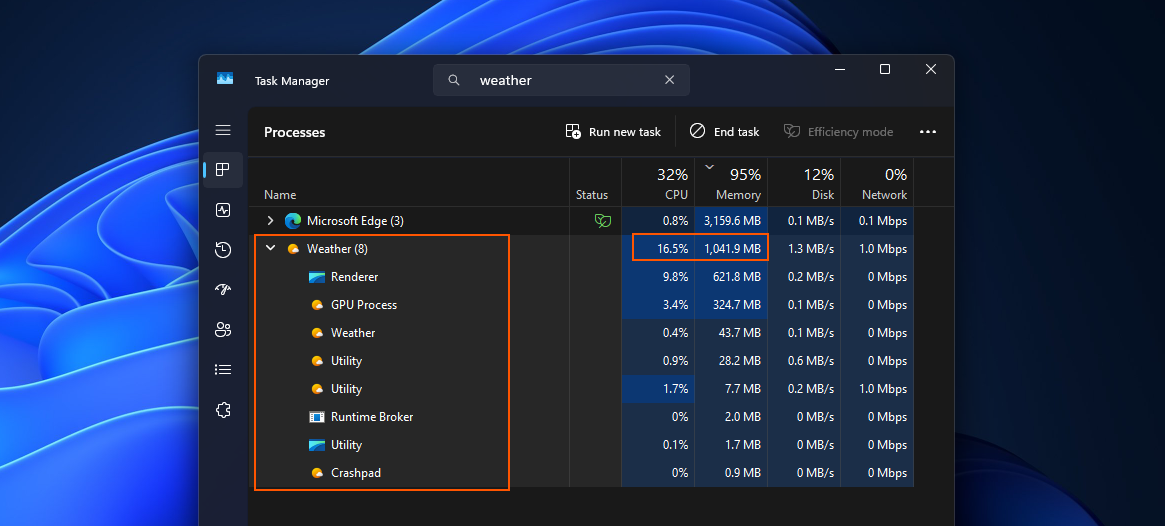
The push toward native tooling also arrives as a counterweight to the resource overhead sometimes observed in web-technologies. For instance, testing of certain applications like the Windows Weather app revealed substantial idle memory consumption and multiple Chromium-related background processes, illustrating the potential costs of WebView2 encapsulation. At the same time, Microsoft’s official documentation acknowledges that WebView2 remains a viable hybrid architecture when properly optimized, and that overall resource consumption ultimately depends on how web content and application code are implemented.
By lowering administrative friction, integrating AI assistance, and refining native frameworks, Microsoft hopes to make Windows an increasingly attractive destination for modern software creators, particularly as developers face pressure to support diverse platforms and operating systems. Ultimately, the success of the initiative will depend on whether Microsoft can maintain framework stability while convincing third-party developers to invest the necessary time in building optimized native software.