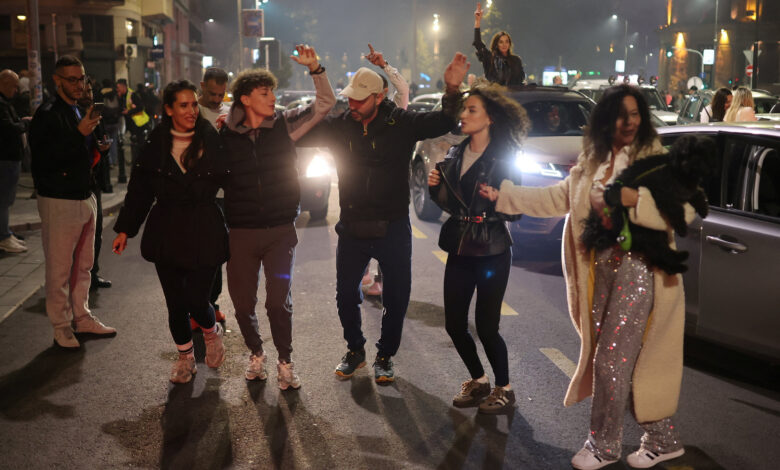
International figures, European institutions, and regional neighbors have responded to the historic parliamentary election outcome in Serbia, where long-time leader Aleksandar Vucic conceded defeat to the student-led protest movement. The election marks a significant political shift in the Balkan country following nearly two years of sustained demonstrations demanding democratic reforms, the rule of law, and anti-corruption measures.
Reactions poured in from across Europe following the announcement on Sunday, October 25, 2026. European officials emphasized the high voter turnout and expressed willingness to collaborate with the incoming leadership on democratic reforms and European integration.
From Brussels, Kos issued a statement to Slovenian correspondents noting that Serbia had raised its voice after a prolonged period of public protest. Kos highlighted that citizens turned out to vote in historic numbers following months of mobilization centered on democracy and the fight against corruption.
European Commission leadership also extended public congratulations. Writing on the social media platform X, von der Leyen congratulated the Student List on its parliamentary victory and noted the record voter turnout. The statement affirmed readiness to support upcoming reforms focused on the rule of law, media freedom, anti-corruption efforts, and the strengthening of democratic institutions while working toward Serbia’s future integration into the European Union.
The Council of Europe echoed similar sentiments. Berset posted congratulations on X, acknowledging the democratic choice made by Serbian citizens and welcoming Vučić’s acceptance of the outcome alongside his commitment to a peaceful democratic transition. Berset stated that the Council of Europe stands ready to cooperate with the newly elected leadership to reinforce human rights, democracy, and the rule of law, praising the perseverance and energy shown by the movement.
Regional neighbors offered positive assessments of the political transition. Spajic remarked on X that the developments in Serbia serve as a reminder that popular will and the right to self-determination form the foundation of democratic change, adding that citizens across the region deserve cooperative relations grounded in concrete results rather than diplomatic friction.
Hungarian leadership also reached out directly to the victorious movement. Magyar shared on X that a telephone conversation had taken place with the leaders of the Student List to offer congratulations and assure them of Hungary’s backing. Magyar mentioned being pleased to hear that a previous political victory in April had provided strength during the students’ difficult struggle.