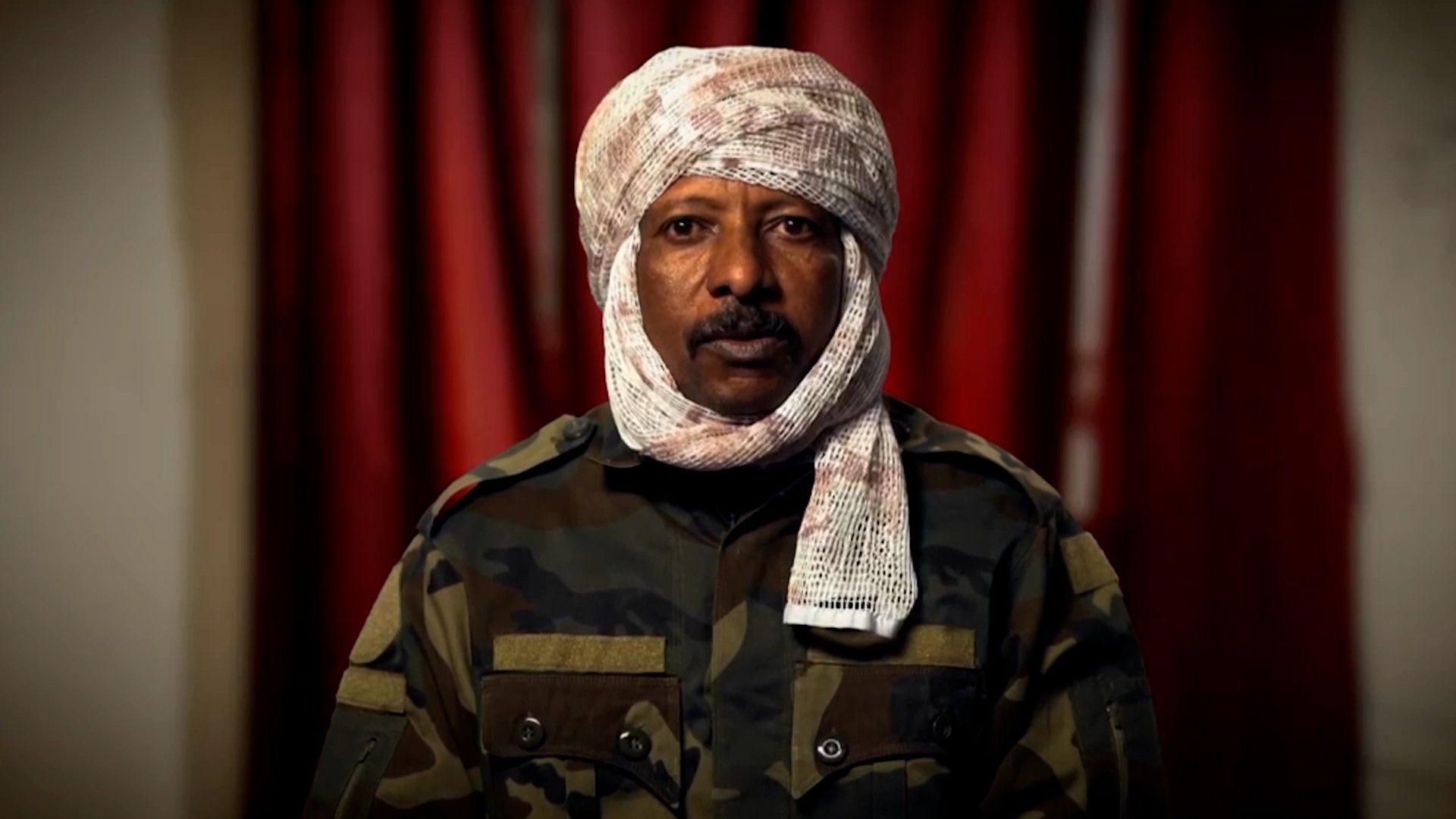
A senior commander within Sudan’s paramilitary Rapid Support Forces has announced his defection, accusing the group’s leadership of running a restricted, family-centric operation that controls all aspects of finance, weaponry, and military promotions.
In video footage released on Friday, commander Siddiq Ander stated that relatives of RSF leader Mohamed Hamdan Dagalo, widely known as “Hemedti,” maintain absolute authority over the paramilitary group. Hemedti’s brother, Abdul Rahim Hamdan Dagalo, serves as the group’s deputy commander.
“It has become clear to us beyond any doubt that we were serving a purely family-based project controlled by Hemedti’s relatives in every aspect, money, weapons, fighters’ movements and the granting of ranks,” Ander said in the footage. He added that dissenters face severe repercussions, stating that anyone who speaks out “faces expulsion, imprisonment or a hidden death.”

Ander’s exit marks the continuation of a growing trend of high-profile departures from the RSF this year, with several commanders breaking ranks alongside their personnel amid the ongoing national conflict.
Earlier this month, Lieutenant Colonel Mohammed Azraq al-Fanjari announced his departure on October 8, taking with him 300 officers and soldiers alongside 30 military vehicles. Al-Fanjari publicly urged remaining fighters to abandon the paramilitary group and expressed regret over the widespread suffering caused by the war.
That departure followed a September 25 defection by Al-Tayeb al-Wahidu, who crossed over to the opposing Sudanese Armed Forces in Omdurman—located across the Nile from Khartoum—taking 50 fighters with him. Reports indicated that al-Wahidu left due to internal abuses within the RSF.

Additional high-profile departures include Brigadier Ali Rizqallah, known as Savannah, who departed in May, and Major General al-Nour Ahmed Adam, known as al-Qubba, who joined the national army in April. Al-Qubba was publicly welcomed by Sudanese military chief Abdel Fattah al-Burhan following disputes over internal military appointments.
Sudan’s broader conflict ignited in April 2023 following a power struggle between the national army and the RSF, which included deadlocked negotiations over plans to integrate the paramilitary organization into the regular armed forces. The ongoing war has displaced approximately 13 million people and pushed multiple regions toward famine.
The string of defections coincides with an escalation in drone warfare by both combatants, resulting in mounting civilian casualties. On October 26, drone strikes impacted a market and residential district in Nyala, an RSF-controlled city situated in South Darfur. While the local rights group Emergency Lawyers documented over 100 fatalities from the strike, various medical organizations reported lower figures. According to United Nations assessments, drone strikes have emerged as the primary driver of civilian deaths throughout the conflict.