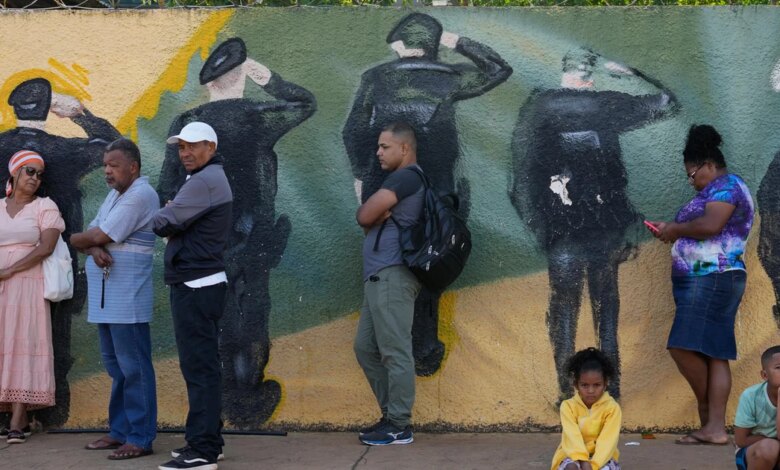
Brazilians went to the polls on Sunday, October 25, 2026, in a deeply polarizing presidential runoff between incumbent President Luiz Inácio Lula da Silva and Senator Flávio Bolsonaro. The high-stakes election will determine whether the United States significantly expands its influence in Latin America, while also signaling a potential rightward pivot for the region’s largest economy and most populous nation following conservative victories in Chile, Peru, and Colombia.
Opinion polls indicated a neck-and-neck race between the two contenders, who needed more than 50% of the vote to secure the presidency for a term beginning in January. The matchup pits the left-of-center veteran politician Lula against Bolsonaro, an ally of U.S. President Donald Trump and the son of imprisoned former President Jair Bolsonaro. In the first round of voting earlier in the month, Bolsonaro bested Lula by more than 2.2 million votes, though more than 33 million registered voters out of nearly 160 million abstained.
Shortly after regular polls closed at 5 p.m. in Brasilia, Brazilian Supreme Court Justice Cristiano Zanin ruled to extend nationwide voting by two hours. The decision followed emergency requests from both campaigns. Lula’s camp sought the extension after transportation disruptions involving public buses in nine states, while Bolsonaro’s team requested more time due to heavy rains in Brazil’s south.
The election has exposed deep ideological divides over U.S.-Brazil relations, climate change, social welfare, and economic policy. Four years ago, Lula defeated Bolsonaro’s father by the narrowest margin since the country’s return to democracy in 1985. Lula, who governed from 2003 to 2010, faced a challenging reelection fight amid widespread voter anxiety over the cost of living and public security. Bolsonaro built the cornerstone of his campaign around a tough-on-crime platform and pledges to reduce food prices.
Both candidates faced corruption suspicions during the campaign. Bolsonaro has been implicated in a sprawling financial scandal and admitted to accepting about $12 million from disgraced former banker Daniel Vorcaro to produce a film about his father’s life. He remains under investigation for corruption, money laundering, and tax evasion in connection with the case. Lula previously spent more than a year in prison on corruption convictions that were later annulled.
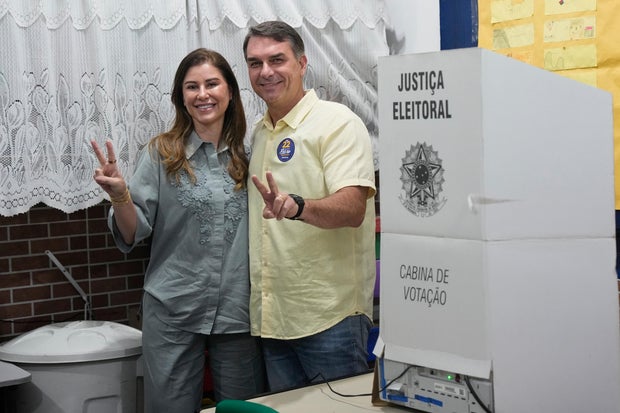
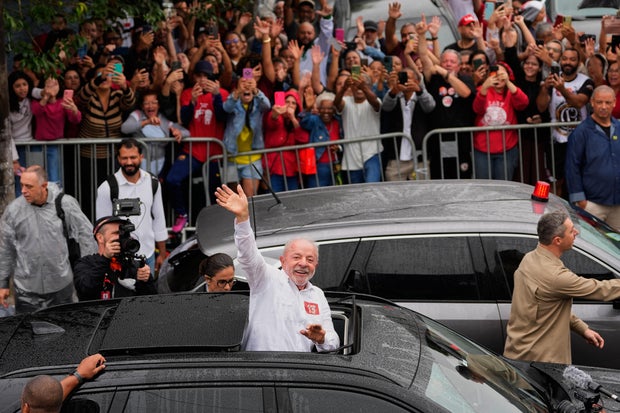
Voting day was marked by heightened political passions. As Bolsonaro cast his ballot at a school in Rio de Janeiro, supporters shouted insults at Lula, while rival voters chanted slogans in support of the incumbent. Bolsonaro told reporters that real change had arrived and argued that Brazil could not continue on its current trajectory. Lula, casting his ballot in Sao Bernardo do Campo where he began his career as a union leader in the 1960s, expressed gratitude to his supporters for an outpouring of backing.
Logistical hurdles and transportation disputes further inflamed tensions during the runoff. In Bahia state, a stronghold for Lula where voters rely heavily on public transit, at least 75 public buses were blocked from leaving municipal garages. A state electoral judge ordered the arrest of Salvador mobility secretary Pablo Souza over the incident. Mayor Bruno Reis, a Bolsonaro ally, blamed trade unionists for placing Workers’ Party materials on the vehicles to manufacture a crisis. President of Brazil’s Superior Electoral Court, Kassio Nunes Marques, confirmed that authorities received reports regarding the bus disruptions and were analyzing the situation.
Lula sharply criticized the disruption, telling the press that authorities would not be robbed by mayors, governors, or businessmen. International observers reported that voting was largely occurring peacefully and with transparency, declining to comment immediately on the transportation disputes.
The contest also unfolded against the backdrop of significant geopolitical friction. Lula has publicly criticized the U.S. administration over the risks of foreign intervention, pointing to high tariffs imposed on Brazilian exports and the classification of drug-trafficking groups as foreign terrorist organizations—moves critics argue were designed to portray him as weak on crime. Conversely, Flávio Bolsonaro has emphasized his close ties to the White House, insisting that Brazil must secure better trade agreements with Washington, particularly in the rare minerals sector. Brazil estimates its deposits of rare minerals hold up to 21 million tons, ranking second only to China. U.S. President Donald Trump stated on Sunday that he was watching the election closely but declined to endorse either candidate.