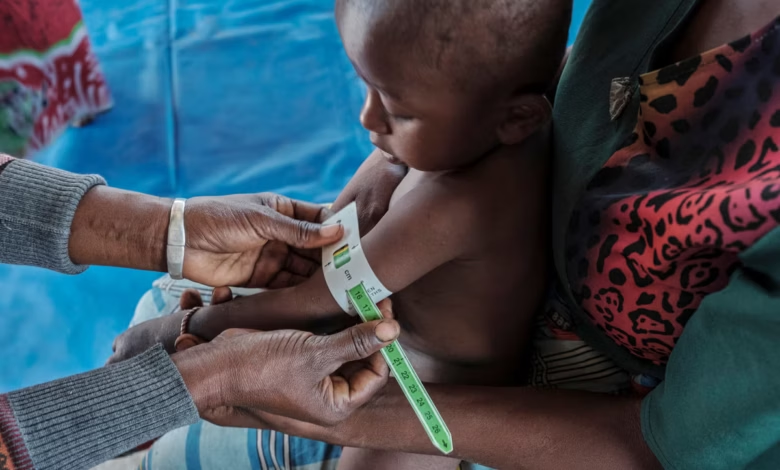
The United Kingdom is on track to fall short of its already reduced international aid spending target of 0.3 percent of gross national income, according to a report from the Center for Global Development. The think tank warns that a projected funding gap of approximately £410 million will likely leave the nation’s contribution at just 0.29 percent, further eroding Britain’s presence in global development and climate reform initiatives.
The findings suggest that even the government’s heavily reduced target—lowered significantly from the previous 0.5 percent threshold—is at risk of being missed. While the £410 million gap is the primary estimate, the report notes that a more conservative shortfall of £250 million is possible, while a gap as high as £580 million is considered “very plausible.” In the latter scenario, UK aid spending would sink to 0.28 percent of national income.
According to the Center for Global Development, this shortfall is not necessarily the result of a deliberate policy change, but rather a failure of the budget to keep pace with economic shifts. Higher forecasts for nominal national income, driven by persistent inflation and rising energy prices following the conflict in Iran, have increased the cash volume required to meet the 0.3 percent threshold. Because aid spending is calculated as a proportion of gross national income, a wealthier economy—even one where growth is nominal—demands a larger cash outlay to maintain the percentage target.
The current 0.3 percent target was established in February 2025, when the government announced it would divert funds previously intended for international development to bolster defense spending. This shift is expected to free up approximately £6.5 billion for the defense budget in the 2027-28 period. However, the move has placed the UK’s aid contributions at their lowest level relative to national income since 1999.
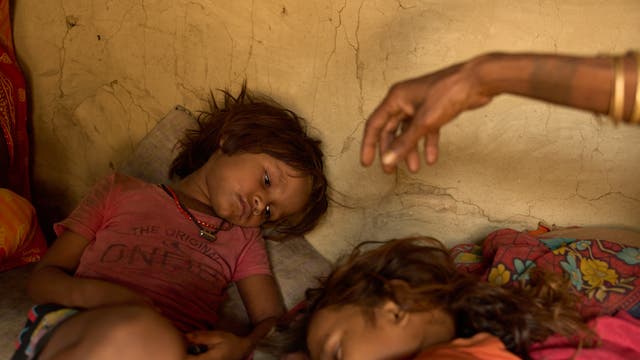
Advocacy groups and development experts warn that the consequences of missing even this lower target will be severe. The Center for Global Development noted that the missing £410 million would be enough to halve current aid cuts to Africa. These cuts, the report suggests, may result in a “de-facto exit” from the southern and eastern regions of the continent and could cost thousands of lives. Furthermore, the shortfall threatens the UK’s ability to fulfill commitments to the Green Climate Fund, a critical mechanism for helping developing nations meet emissions reduction goals.
The Foreign, Commonwealth and Development Office (FCDO) has defended its current approach, pointing to the multi-year Official Development Assistance (ODA) allocations published in March 2026. A spokesperson for the FCDO stated that these plans were based on gross national income figures available during the 2025 spending review. The spokesperson argued that moving to a fixed budget “reduces volatility and provides the necessary stability to deliver high-impact aid programmes.”

Critics, however, argue that this stability comes at the cost of the government’s own stated commitments. Gideon Rabinowitz, Director of Policy and Advocacy at Bond—a network for UK international development organizations—expressed concern that the budget is falling below the intended floor. Rabinowitz stated that communities already struggling with conflict, climate change, and various crises will “pay an even higher price” for the shortfall. He urged the government to ensure that any savings generated by other departments spending the aid budget are returned to the FCDO to maintain credible targets.
The report comes at a time of broader international retreat from development goals. Other major donor nations, including the United States, Germany, France, and Japan, have also moved to reduce their international aid spending in recent cycles.
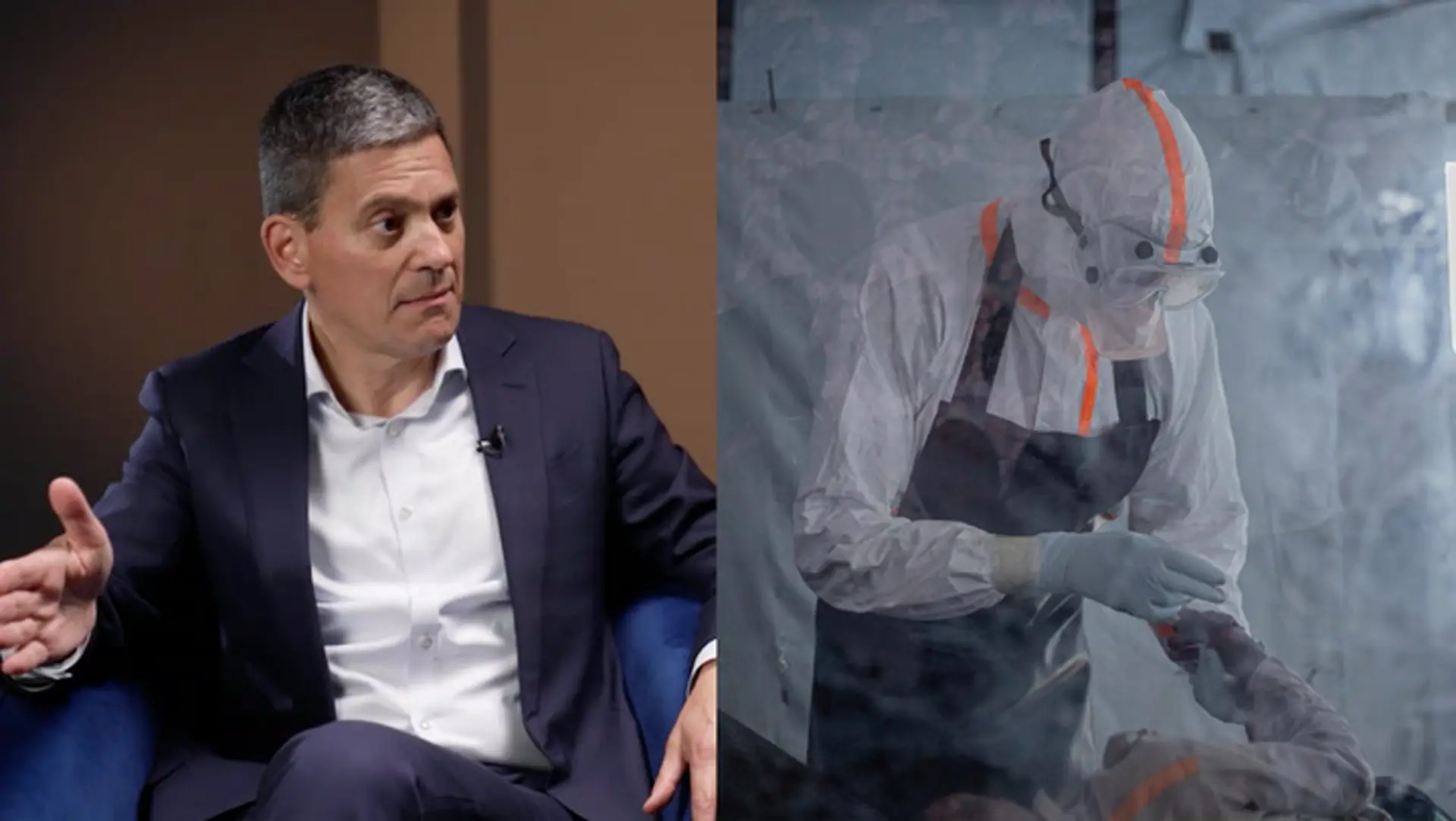
All eyes are now on Chancellor John Healey, who is expected to present new budget proposals this Wednesday. Amid speculation regarding potential tax increases and spending cuts to address a “black hole” in public finances, development advocates are calling on the Treasury to honor the 0.3 percent commitment. The Center for Global Development described the upcoming Budget as a critical moment for the administration to “put its stamp on how Britain is run,” suggesting that ensuring the fulfillment of even the current 25-year-low target is the minimum standard for responsible governance.