Pentagon Inspector General Rejects Probe Into Ukraine Satellite And Intelligence Disruptions

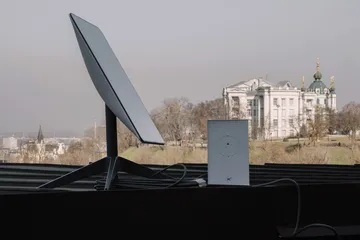
The Pentagon’s inspector general has declined to launch an investigation into the reported disruption of US intelligence sharing with Ukraine and Kyiv’s access to the Starlink and Starshield satellite networks, characterizing the situation as a business dispute outside his jurisdiction.
In a letter sent on Tuesday to a bipartisan coalition of senators, Inspector General Platte Moring III stated that Under Secretary of Defense for Policy Elbridge Colby had informed him that the reported interruptions involve a contractual matter under the jurisdiction of the Department of the Air Force and the US Space Force. Moring had previously advised lawmakers that the Defense Department was best positioned to handle operational policy decisions and technical factors, initially referring their questions directly to Colby.
The inspector general’s response addressed inquiries from nine senators led by Democratic Senator Jeanne Shaheen of New Hampshire and Republican Senator Thom Tillis of North Carolina. In an Oct. 15 letter, the lawmakers had urged Moring to immediately investigate the role of US officials in the disruptions, the ensuing risks to American personnel, and measures to prevent future occurrences. They cited specific incidents where US diplomatic, military, and security personnel were unable to reach designated bunkers during Russian air raids amid the disruptions to intelligence sharing and early-warning capabilities.
Speed restrictions imposed on Ukraine’s Starlink and Starshield connections left the nation’s military unable to operate essential defensive systems. Confusion over whether responsibility lay with the US government or SpaceX Chief Executive Officer Elon Musk further strained ties between US President Donald Trump and Ukrainian President Volodymyr Zelenskyy. Following days of debate over altered satellite speeds in Ukraine, Musk stated on his social media platform X that SpaceX acted because Ukraine violated company rules by using Starlink for offensive drone strikes, noting that the loophole had been closed—a development that alarmed European and NATO officials. Russian President Vladimir Putin subsequently remarked that Russia coordinates with Musk regarding satellites.
Simultaneously, Ukrainian officials accused the US of throttling intelligence sharing, which allegedly allowed Russian projectiles to strike civilian targets without warning. A senior Defense Department official maintained that there had been no change in official US intelligence-sharing policy toward Kyiv.
The episode widened anxieties in Europe regarding heavy reliance on American technologies. Meanwhile, facing voter dissatisfaction over rising diesel prices ahead of midterm elections, President Trump demanded that Ukraine halt strikes on Russian refineries and reached an agreement with Russian President Vladimir Putin to import Russian diesel to the US. President Zelenskyy stated he had offered to halt refinery attacks in exchange for a winter package of air defenses, but said Trump refused.
Senator Shaheen criticized the watchdog’s decision in a public statement. It is concerning that the inspector general has apparently decided not to investigate satellite communication disruptions that Ukraine relies on to protect its civilians, Shaheen said, adding that the Trump administration and SpaceX have provided conflicting accounts that weakened Ukraine’s defenses and put American personnel at risk. She called for an independent accounting and review to determine responsibility and prevent future occurrences.