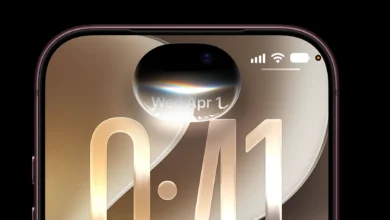
A newly highlighted open-source project is enabling users to run Nintendo Switch games directly on modern Apple devices as native applications, bypassing traditional emulation methods entirely. The tool, designated as nxnative, gained widespread attention after a post on the social media platform X by technology account Techjunkie Aman.
The technical foundation of the project relies on shared hardware architecture. Both the Nintendo Switch and recent Apple devices utilize processors based on the Arm architecture, meaning the underlying game instructions are already compatible with Apple chips. This contrasts with x86-based PC ports, such as an AI-constructed PC version of Link’s Awakening, which require extensive code translation.
To run a title through nxnative, the software replaces Nintendo-specific proprietary components with a compact host program that effectively acts as a replacement for the Switch operating system. Meanwhile, the console’s graphics interface is translated into Apple’s Metal API, eliminating the need for Nintendo’s native graphics pipeline.
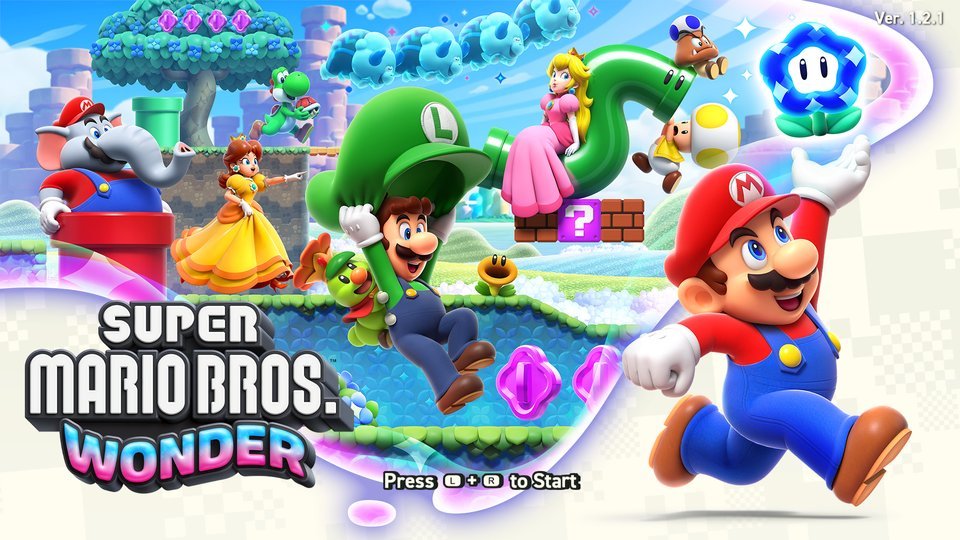
Despite its recent viral exposure, the project’s GitHub repository already documents testing for more than 60 games. Among the tested titles are Mario Kart 8 Deluxe, Metroid Dread, and Super Mario Odyssey. Furthermore, with specific game updates applied, certain titles including The Legend of Zelda: Breath of the Wild, Tears of the Kingdom, and Fire Emblem Engage can reportedly achieve 60 frames per second, double their native 30-fps limit on the console.
Setting up the tool requires technical effort from the user. Requirements include supplying one’s own game files along with decrypted keys extracted from a personal console, as well as a Mac equipped with Xcode to run the build scripts. The initial build process can take up to an hour. Once generated, the resulting application must be installed via sideloading methods, bypassing the App Store using tools such as AltStore or Sideloadly.
Hardware requirements for the client devices are specific. The applications will only run on iPhone 15 Pro and newer models, or iPads powered by M1 and newer chips, operating on iOS or iPadOS version 18 or later. Older iPhone models lack the hardware capability to handle the compressed textures utilized by these games. Even on supported hardware, certain features remain unavailable, including amiibo functionality and online multiplayer.
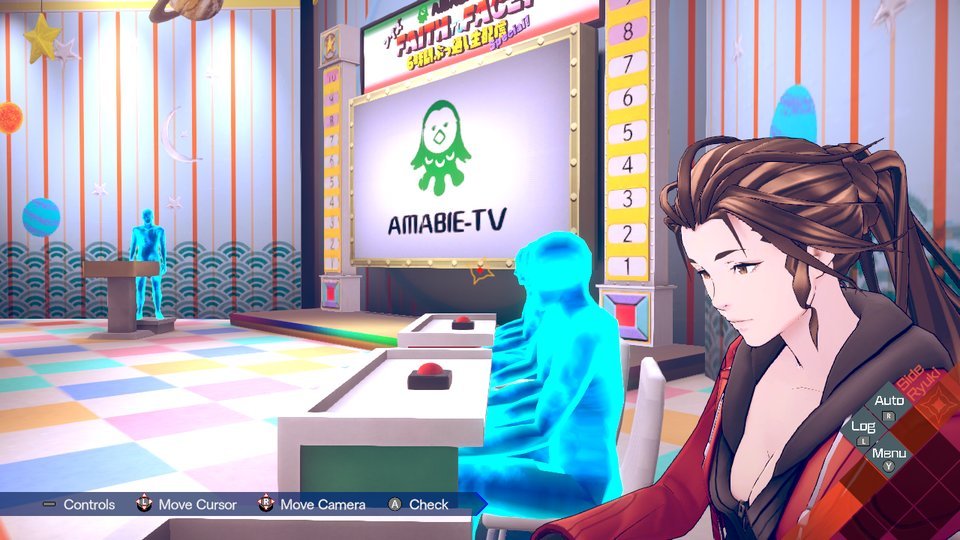
Building applications for macOS requires an additional command during the build process. Mac gaming content creator Andrew Tsai utilized this method to build and test multiple applications, demonstrating that games like Monster Hunter Rise could run at a locked 60 frames per second on a base-model M1 MacBook Air equipped with only 8 GB of memory. He also successfully ran the console-exclusive strategy title Unicorn Overlord.
The project maintains no affiliation with Nintendo. Every build originates entirely from files provided by the individual user, and the project distributes no game data itself. This legal boundary mirrors that of past emulator projects, such as Yuzu, whose developers agreed to a $2.4 million settlement with Nintendo in 2024, and Ryujinx, which shut down following contact from the company’s legal representatives. Ironically, nxnative continues to rely on code from Ryujinx to handle the graphics translation for individual games.