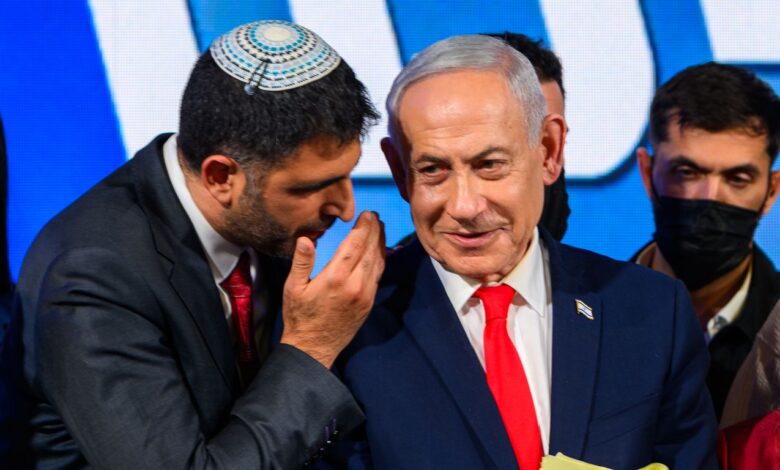
Israeli Prime Minister Benjamin Netanyahu and his Likud party have launched an effort to discredit recent election results after his far-right coalition lost 11 seats, leaving opposition parties with a 67-seat majority compared to the coalition’s 53 seats. The vote count concluded on Thursday, and certification is expected next week ahead of the new parliament being sworn in several days later.
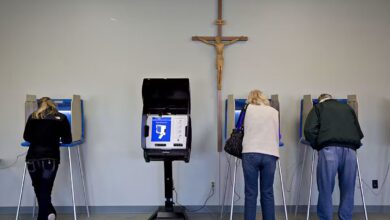
Netanyahu’s campaign began prior to the vote, with half of his social media posts on Election Day focusing on turnout in Arab communities, where voters participated in historic numbers and secured 19 seats across two parties. Following the election, Likud issued a statement alleging that the elections were stolen by Arab parties through bribes and fraud. The party based these claims on the arrest of three activists from the Arab Ra’am party suspected of paying a small number of voters in a single Arab city. However, Israeli police stated there was no evidence to support assertions of a stolen election.
The political situation escalated on Thursday when a leaked letter written by the Supreme Court judge heading the Central Elections Committee instructed the director of the domestic security agency to immediately investigate suspicions of foreign interference and submit conclusions within a week. Israeli media subsequently identified Qatar as the country alleged to have funneled money to boost turnout for one of the Arab parties. The security agency stated that the investigation is focused and narrowly defined, emphasizing that it does not cast doubt on the democratic vote of the Arab minority and that only those who acted unlawfully will be held accountable.
Despite the security agency’s clarification, Netanyahu and Likud characterized the leak as an earthquake, reiterating unevidenced claims that the election was stolen. Likud argued that the situation represented an attack on democracy and asserted that no Zionist party should cooperate with Arab parties in replacing the Knesset speaker or establishing a new government. Observers note that Netanyahu appears aimed at preventing the opposition from forming a new government and potentially blocking the formal certification of results to prevent the swearing-in of a parliament where he lacks a majority.
Opposition figures pushed back against the campaign. Gadi Eisenkot called for a thorough investigation into the foreign interference suspicions while insisting that the Knesset swearing-in must proceed as scheduled. Eisenkot accused Netanyahu of leading an illegitimate influence campaign designed to delay vote publication and manufacture a false narrative delegitimizing the new parliament. Once sworn in, the opposition plans to replace the current Knesset speaker and immediately pursue legislation, including the establishment of a national commission to investigate the security failures leading up to the October 7 attacks—an inquiry Netanyahu has blocked for three years. Meanwhile, while the opposition holds a parliamentary majority, uncertainty remains regarding whether it can successfully assemble a government, as doing so requires the support of Arab parties and division persists among opposition factions regarding cooperation.