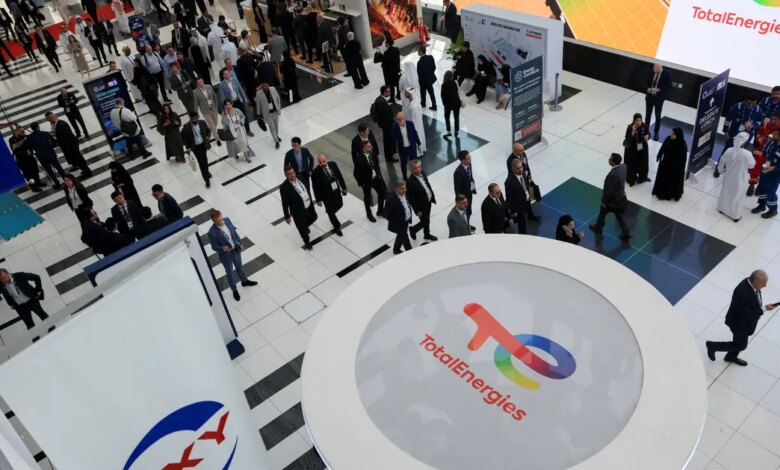
Middle East energy executives are reporting a surge in optimism regarding the future of their industry, outpacing their global peers even as regional conflicts threaten traditional supply lines. According to new research commissioned by the organizers of the ADIPEC energy conference in Abu Dhabi, these decision-makers credit the sector’s ability to maintain production and navigate disruptions, such as those impacting the Strait of Hormuz, as a primary driver of their positive outlook.
The survey, which gathered insights from more than 1,800 energy decision-makers, indicates a widespread belief that the global energy system has successfully navigated its most significant “stress test” in a half-century. This resilience has been attributed to rapid strategic adjustments, the diversification of supply sources, and the establishment of alternative transport routes prior to the onset of current conflicts. Analysts noted that the system proved more durable than expected, maintaining consistent supply to customers despite significant external shocks.
Despite the volatility associated with the US-Iran war and the resulting upward pressure on oil prices, producers in the Gulf remain confident in their market position. This sentiment is buoyed by broader market trends, including the rapid expansion of electrification and the massive energy requirements of artificial intelligence adoption. These dual drivers are expected to keep global demand for energy from all sources on an upward trajectory over the next decade.
Investment figures support this bullish outlook. Data from the International Energy Agency (IEA) shows that global energy investment is set to reach a record $3.4 trillion this year. This capital is being split between traditional and emerging sectors, with $2.2 trillion earmarked for clean energy and grid infrastructure, while $1.2 trillion continues to flow into oil, gas, and coal.
The survey results suggest this spending trend is likely to accelerate. Nearly two-thirds of the executives surveyed anticipate that the pace of capital deployment will increase by more than 20% over the next five years. This highlights a significant commitment to long-term infrastructure and production capacity in the region.
However, the optimism is not universal across the global supply chain. The research revealed a notable divide between energy producers and consumers. While Gulf-based executives are upbeat, approximately one-third of energy leaders in consuming nations in Asia—the region most vulnerable to shipping disruptions—expressed concern that the global energy system has proven less resilient than anticipated. This divergence underscores the persistent anxiety felt by nations most exposed to the risks of the Strait of Hormuz and other critical transit points.
As the industry looks toward the next decade, the ability to balance record-breaking investments in clean energy with the continued demand for fossil fuels remains the central focus for regional leaders. The findings suggest that while the “stress test” of recent geopolitical events has been met with tactical success by producers, the long-term stability of the system remains a point of contention for those on the receiving end of the energy supply chain.