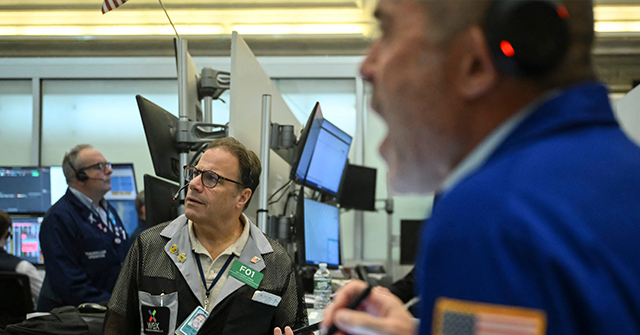
Financial markets saw significant volatility as 10-year U.S. Treasury yields tumbled approximately 19 basis points intraday on Thursday, marking the largest one-day drop since the collapse of Silicon Valley Bank. This movement followed an October 7 peak where yields hit 5.36 percent, the highest level recorded since April 2002. While rising yields had previously generated concerns over inflation and robust economic growth, the sharp decline was driven by investor anxiety that parts of the artificial intelligence investment complex may be overextended. Asset managers from GMO, including Ben Inker and John Pease, noted that capital demands for AI infrastructure could outstrip available supply, prompting a shift toward safer assets and cooler return expectations.
Meanwhile, Persian Gulf oil exports have surpassed prewar levels despite ongoing security risks in the Strait of Hormuz. Shipments averaged over 24 million barrels per day in the week ending October 18, exceeding the pre-Iran War norm of 23.3 million barrels. Although maritime traffic through the Strait of Hormuz remains constrained at roughly 82 percent of prewar levels, pipelines crossing Saudi Arabia and the United Arab Emirates have compensated. Data from ship tracker Kpler indicates that 40 percent of non-Iranian crude shipped out of the Gulf bypassed the Strait entirely, compared to 17 percent before the conflict. Despite the flow of oil, Brent Crude futures remained priced near $117 a barrel due to heightened transportation and security expenses.
In monetary policy, fed funds futures indicate a 90 percent probability that the Federal Open Market Committee will keep interest rates unchanged at an upcoming meeting, alongside a 78 percent chance of a rate hike in December. Fed Chairman Kevin Warsh has emphasized economic data over forward guidance, though market pricing suggests strong expectations regarding policy paths. Additionally, a study by Thomas Drechsel of Johns Hopkins University and Dali Tsakadze of the University of Maryland, published as an NBER working paper, analyzed the public calendars of recent Fed chairs and found that Jerome Powell held significantly more meetings with lawmakers and political figures than predecessors Janet Yellen or Ben Bernanke.
Demographic and economic research also highlighted shifting trends in family size and income. Analysis of recent Federal Reserve data by Michael Konczal of the Economic Security Project showed that nearly half of families within the top one percent of earners have three or more children, compared to 40 percent slightly lower on the income ladder. The findings complicate conventional assumptions regarding wealth and fertility rates.
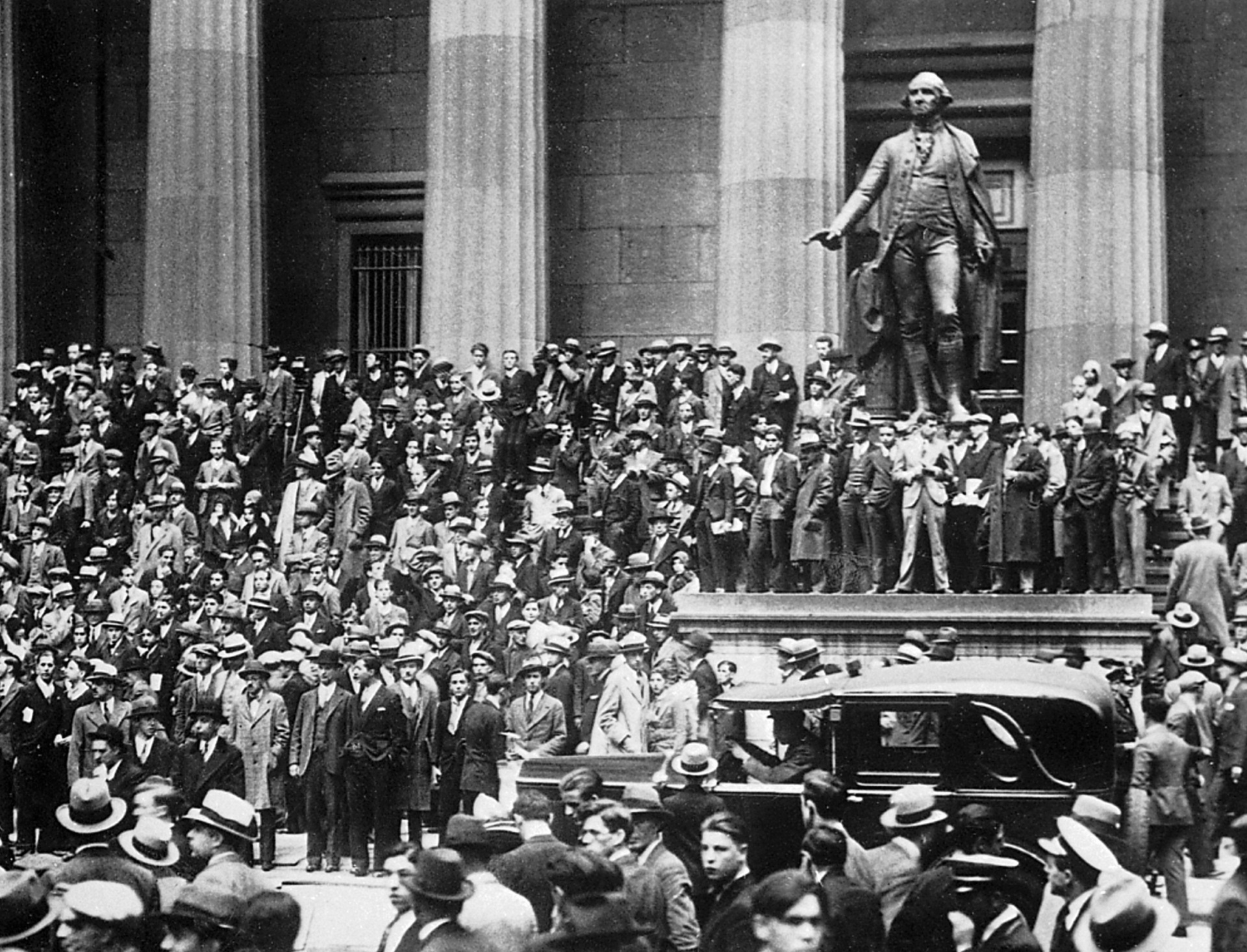
Reflecting on historical market parallels, financial analysts noted the anniversary of Black Thursday on October 24, 1929, when the New York Stock Exchange crashed and preceded the Great Depression. Initial official responses at the time, including statements from President Herbert Hoover on October 25, 1929, characterized fundamental business conditions as sound and prosperous while dismissing early market contractions as secondary movements.