Microsoft reported capital expenditures of $45.2 billion, including finance lease-related outlays, for the quarter ending September 2026. The figure fell short of Wall Street estimates of $51.7 billion by approximately $6.5 billion. Despite the shortfall, the company’s capital spending increased by about 30% compared to the same period last year, underscoring the massive capital requirements still needed for artificial intelligence infrastructure.
Alongside the quarterly figures, Microsoft lowered its full-year capital expenditure forecast for 2026 from $175 billion to $170 billion. Company officials emphasized that the adjustment does not signal a strategic retreat from large-scale artificial intelligence investments. According to Microsoft Chief Financial Officer Amy Hood, the spending was pushed back because certain third-party vendors failed to deliver required data center capacity on schedule. Microsoft anticipates these facilities will come online during the second half of its fiscal year, which is expected to reaccelerate capital spending growth as project construction moves forward, while rising hardware costs such as memory further elevate infrastructure expenses.
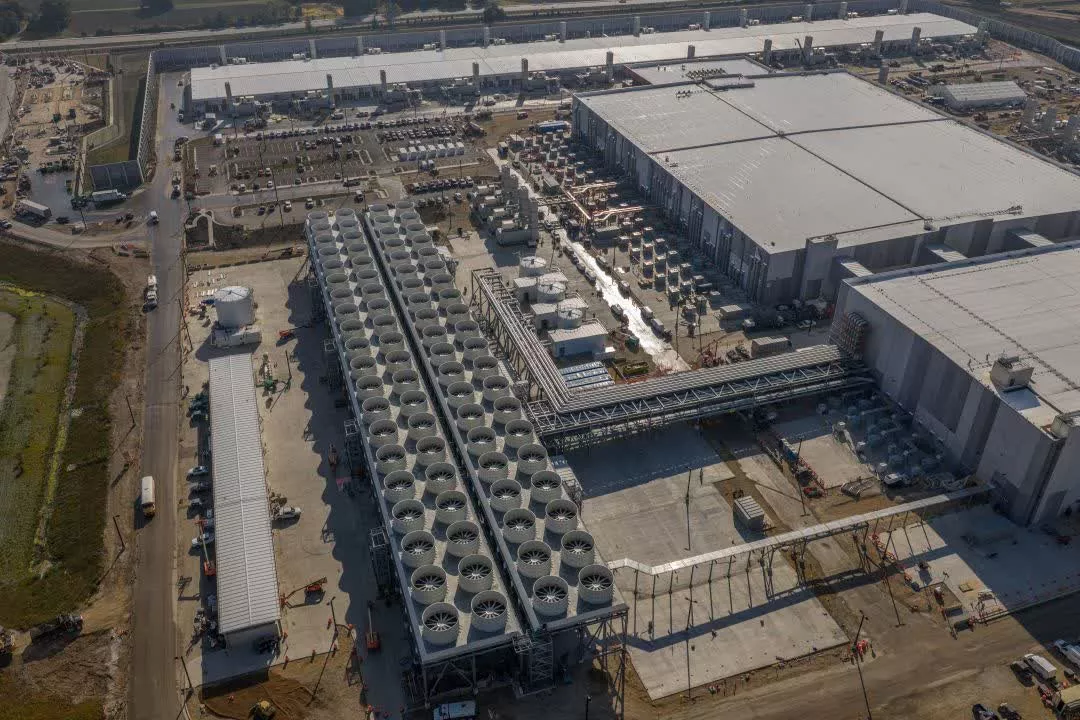
During the quarter, Microsoft added 24 new data centers, but the company relies on partnerships alongside its direct construction efforts to rapidly expand cloud computing capabilities. Since 2023, Microsoft has signed contracts exceeding $80 billion with smaller cloud infrastructure operators including CoreWeave, Nebius, and Nscale to secure additional data center capacity. However, these third-party projects face practical obstacles. Microsoft recently terminated a data center capacity arrangement with Nscale due to insufficient power capacity, while a Nebius facility under construction in New Jersey has experienced slower-than-expected progress. These hurdles indicate that rapid artificial intelligence computing demands are constrained not only by funding and chip availability, but also by electricity resources and construction timelines.
Similar challenges are evident across the technology sector. Amazon continues to purchase and stockpile Nvidia GPU server racks, but certain data centers remain unable to run the equipment due to inadequate power supplies. Amazon’s annual capital expenditure budget stands at approximately $220 billion, exceeding Microsoft’s revised full-year budget by roughly $50 billion and illustrating the ongoing investment race among major technology firms. Alphabet, the parent company of Google, maintains a massive investment plan with an annual capital expenditure budget ranging between $195 billion and $205 billion. Alphabet reported $51.4 billion in capital spending for the quarter ending in September, also missing market expectations, while projecting significant increases in capital outlays for the coming year. These heavy infrastructure investments have strained Alphabet’s cash flow, resulting in negative free cash flow of $9.1 billion for the quarter.
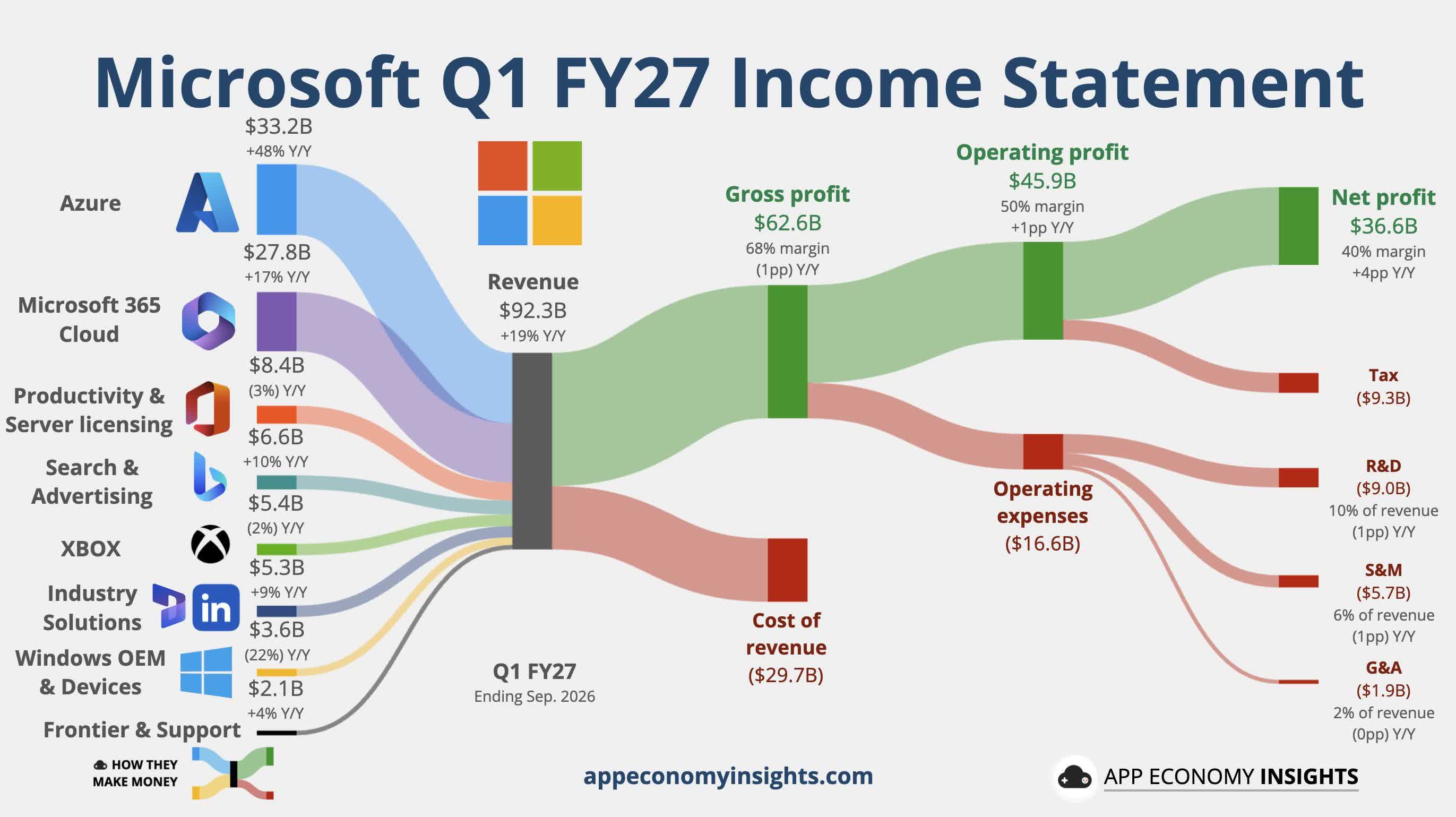
In contrast, Microsoft maintains stronger cash generation capabilities to support its artificial intelligence infrastructure push. The company’s Azure cloud computing division delivered a 48% year-over-year revenue increase, reaching $33.2 billion for the quarter. Microsoft posted positive free cash flow of $18.6 billion, demonstrating that its core cloud business continues generating substantial cash even as outlays expand.
While scaling up artificial intelligence infrastructure, Microsoft has also trimmed costs in other areas, including offering voluntary severance packages that could potentially affect up to 60,000 employees. The measure reflects a broader corporate resource re-allocation to prioritize artificial intelligence, cloud computing, and related infrastructure while controlling expenses elsewhere. Overall, industry analysts view the lower quarterly capital expenditure primarily as a timing discrepancy in data center construction and third-party capacity deliveries rather than a cooling of the broader artificial intelligence investment boom, with future spending poised to rebound as delayed projects become operational.