Researchers examining common convenience foods have identified disposable bucket-style instant noodles as a notable source of microplastic exposure. According to recent findings, consuming these popular meals frequently could result in the ingestion of more than 1,000 microplastic particles every single week.
While Asia accounts for 85 percent of global instant noodle sales, the study notes that Americans consume more instant noodles than any other population outside of Asia. To evaluate potential exposure, researchers analyzed 20 different samples of bucket noodles originating from four countries: China, Japan, South Korea, and Thailand.

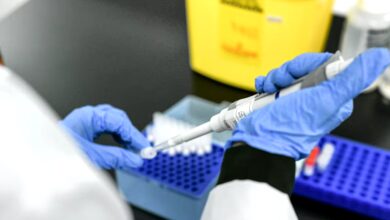
The experimental procedure involved filling cleaned disposable containers with hot water heated to 203 degrees Fahrenheit, or 95 degrees Celsius. The water was allowed to sit before being stirred and agitated. Laboratory testing detected microplastics across all 20 tested buckets, yielding an average of approximately 318 particles per container.
Analysis of the recovered particles showed they were predominantly composed of polyethylene, alongside polyethylene and polypropylene composites. Polyethylene ranks as the most widely utilized plastic globally, largely driven by single-use applications. Researchers observed that molten polyethylene film is typically laminated onto paper packaging substrates, a manufacturing method shared with disposable takeaway coffee cups, which the study notes can release approximately 50,000 microplastic particles over three to four uses.

Scientific literature indicates that microplastics entering the human body can accumulate and potentially interact with cell membranes, provoking cellular stress, inflammation, and cell death. Previous research has detected tiny plastic fragments in human blood, lungs, placentas, and brains, with potential toxic effects ranging from cardiovascular and skeletal strain to immune suppression and hormonal disruption.
Despite the findings, the study’s methodology presented certain experimental variables that differ from typical consumer preparation. The researchers exposed the noodle buckets to hot water for a total of 35 minutes—comprising 15 minutes covered with tin foil followed by 20 minutes uncovered—whereas standard package instructions generally recommend steeping for three to five minutes. Furthermore, investigators vigorously shook and stirred the liquid with a glass rod, leaving it uncertain whether this physical force precisely replicates normal eating habits.

The authors also acknowledged that despite thorough container cleaning, a portion of the detected particles might have originated from laboratory contamination. Such methodological caveats align with broader debates within the scientific community regarding the certainty of microplastic data. Roger Kuhlman, a chemist formerly with the Dow Chemical Company, noted that the field often features significant claims without corresponding ordinary evidence, emphasizing the need for continued scrutiny in evaluating plastics within the human body.