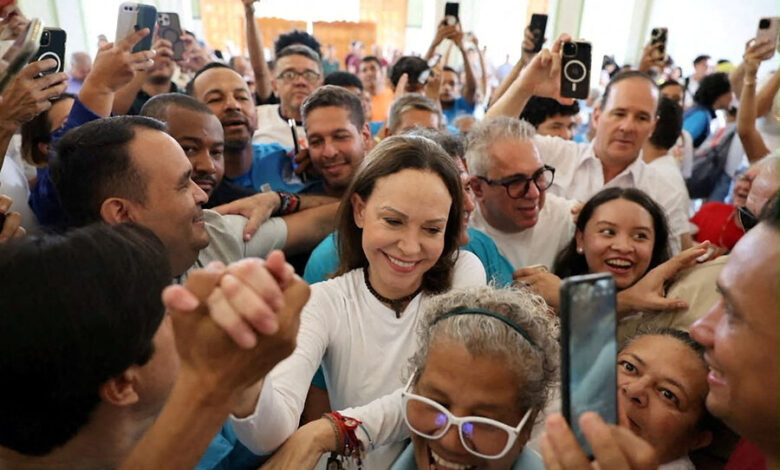
Venezuelan opposition leader María Corina Machado has returned to the country after nearly a year in exile, arriving to enthusiastic crowds in western Venezuela before traveling toward Caracas. Her unexpected reappearance at a Catholic church on a Sunday morning prompted immediate outpourings of emotion from supporters who embraced her, handed her rosaries, and sang the national anthem. Hundreds of miles away as she headed toward the capital, citizens lined highways and packed town squares to greet her.
The homecoming marks a stark shift from her circumstances 10 months prior, when she moved between safe houses in hiding after challenging Nicolás Maduro’s claim of victory in the disputed July 2024 presidential election. Ms. Machado eventually slipped out of the country secretly to accept the Nobel Peace Prize in Norway. In the interim, Mr. Maduro was captured by U.S. forces and placed in a Brooklyn jail cell, while his former vice president, Delcy Rodríguez, assumed the role of acting president.
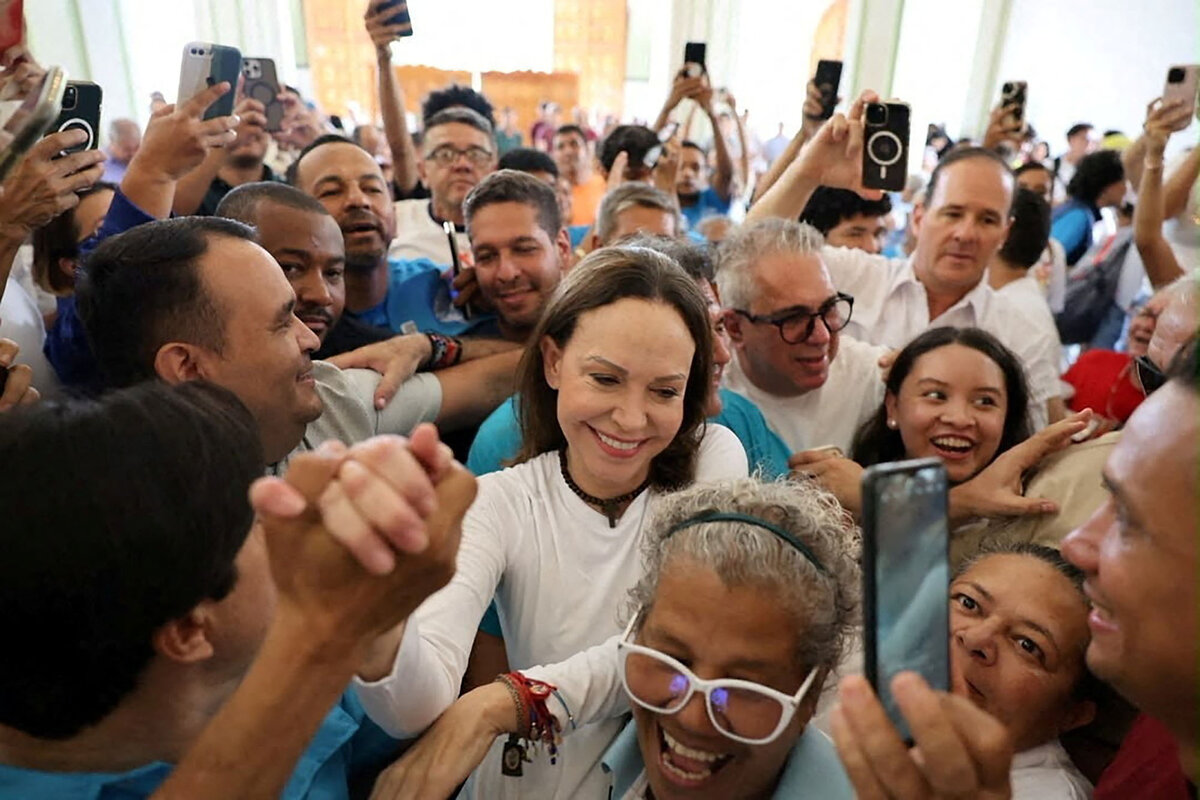
While hundreds of political prisoners have been released and talks regarding electoral reforms have commenced, Ms. Machado’s return injects fresh uncertainty into Venezuela’s political landscape. Benigno Alarcón, founder and former director of the Center for Political and Government Studies at Andrés Bello Catholic University in Caracas, called her return the most significant event in the country since Mr. Maduro’s capture on January 3.
Ms. Machado solidified her status as the nation’s leading opposition figure during the 2023 primary. Barred from the 2024 ballot, she rallied millions behind a substitute candidate in a campaign that independent assessments indicate won the election, prompting a government crackdown following Mr. Maduro’s declared victory. Her return coincides with a surge in public grievances. Oscar Murillo, head of the human rights organization Provea, noted that the Venezuelan Observatory of Social Conflict recorded 1,101 protests in September alone over wages, public services, and political freedoms—six times the volume from a year prior. In Maracaibo, teacher Gabriela Pérez joined demonstrations against daily power outages lasting over nine hours, stating that citizens urgently need change.
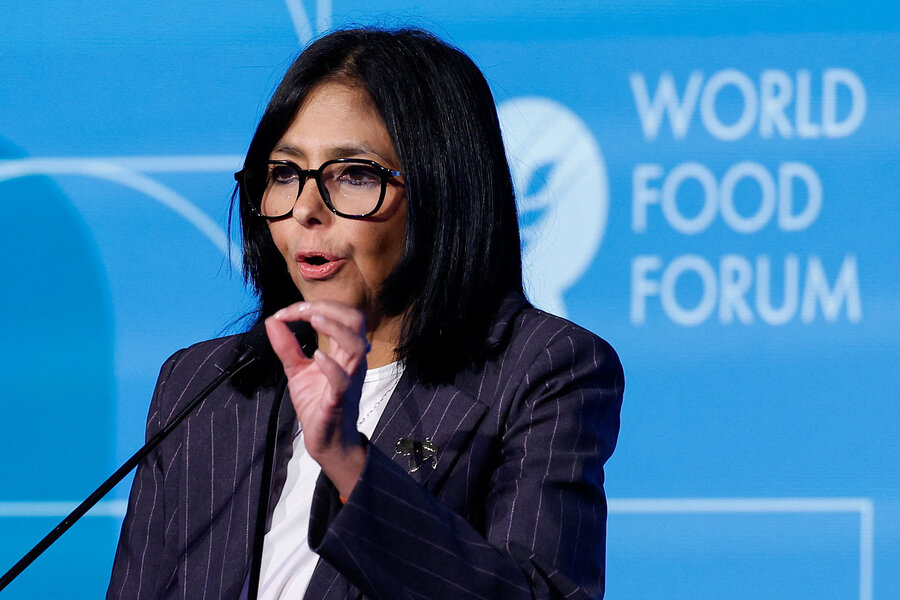
Despite these pressures, many institutions and figures central to Mr. Maduro’s administration remain entrenched. Acting President Rodríguez dismissed Ms. Machado’s return as a “show” during a Monday press conference, urging a more serious approach to politics and suggesting the opposition leader express remorse for past positions. Ms. Machado’s movement has not been included in government-opposition talks facilitated under U.S. pressure.
The administration of U.S. President Donald Trump has maintained a working relationship with Ms. Rodríguez, a longtime Maduro ally, securing influence over Venezuela’s oil industry while leaving much of the previous leadership intact. Asked about Ms. Machado’s return, President Trump stated he knew nothing about it, described her as “a very nice woman,” and added that Washington is “doing really well in Venezuela.” U.S. Secretary of State Marco Rubio offered a stronger endorsement of her right to return while emphasizing that Washington insists on economic stabilization, institutional rebuilding, and restored political freedoms before free and fair elections can occur.
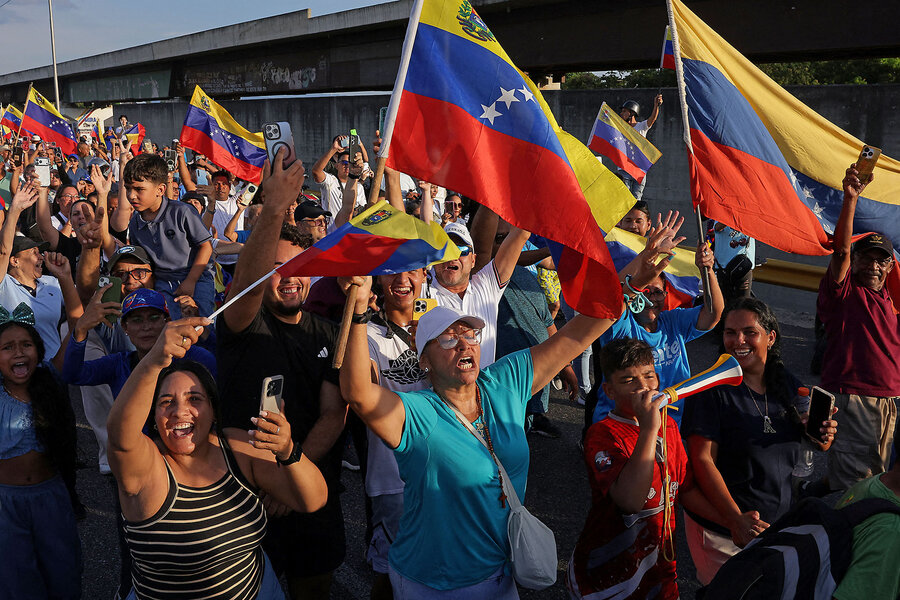
Mr. Alarcón noted that this dynamic highlights a central dilemma for Washington, where cooperation with Ms. Rodríguez advances economic interests but relies on leaders whose government has not faced a competitive vote. Ms. Machado has publicly called for presidential elections by July 2027. Constitutional lawyer and former special attorney general José Ignacio Hernández stressed that the broader challenge extends beyond electing a new leader to rebuilding a functioning state capable of enforcing the rule of law, which requires restoring judicial independence, asserting civilian control over police and military forces, and dismantling the influence of armed networks over public institutions.
Under U.S. pressure, Ms. Rodríguez’s government and an opposition faction have engaged in discussions, with Washington anticipating a new Supreme Court by the end of the year and a new National Electoral Council in early 2027. No official date has yet been set for presidential elections.
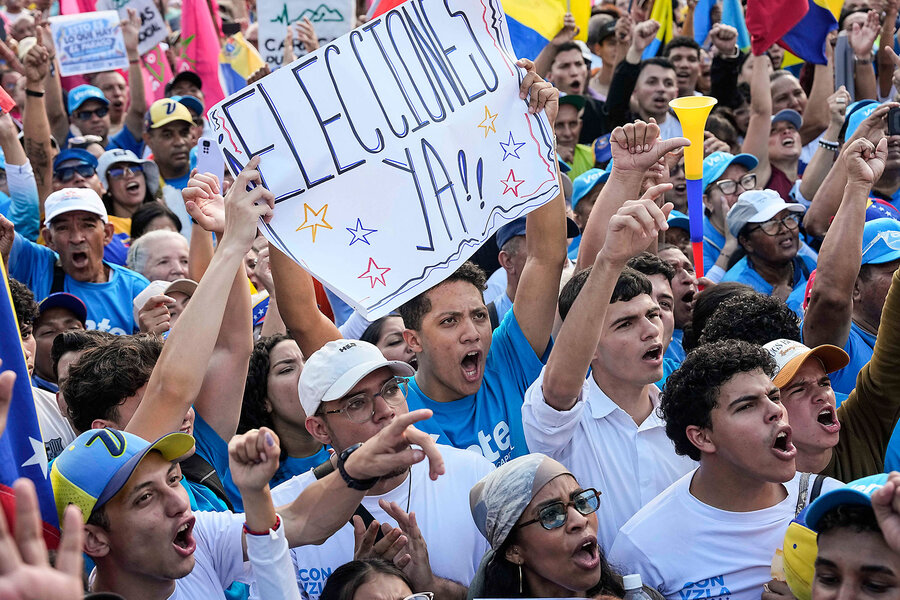
For residents like Caracas local Luisana Carrero, who lost her two-year-old son amid hospital shortages, the opposition leader’s return offers a rare sense of hope. “This is the greatest happiness I’ve felt in years,” she said.