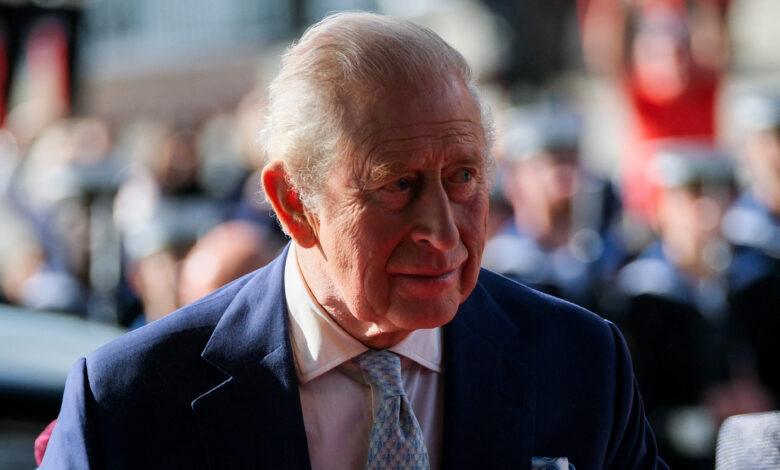
King Charles III arrives in the Caribbean this week for a high-profile diplomatic tour that faces a sharpening debate over Britain’s colonial legacy. The visit, which begins on October 27, 2024, comes as regional leaders intensify their calls for formal reparations and a full apology for the United Kingdom’s historic role in the transatlantic slave trade.
Accompanied by Queen Camilla, the King is scheduled to visit the Bahamas and Guyana before traveling to Antigua and Barbuda. The nine-day tour, which concludes on November 4, is anchored by the monarch’s attendance at the Commonwealth Heads of Government Meeting (CHOGM). This biennial gathering brings together leaders from the 56 nations that constitute the Commonwealth, an organization representing approximately 2.7 billion people, many of whom reside in former British colonies.
While the royal itinerary focuses on traditional diplomatic engagements, the political atmosphere in the region is increasingly defined by the pursuit of restorative justice. CARICOM, the Caribbean Community representing 23 member and associate states—including major nations like Jamaica, Barbados, and the Bahamas—has confirmed its intent to push for reparations to be a central part of the CHOGM agenda.
CARICOM Secretary-General Carla Barnett emphasized that the push for reparations is not merely about financial compensation but about a broader recognition of history. She noted that the movement is fundamentally about justice, accountability, and the transformation of the future for the descendants of those who were treated as chattel by colonial owners. The community seeks to address the “untold suffering, loss of life and freedom” that defined the era of enslavement.
Buckingham Palace has signaled that the King will not avoid the subject during his travels, though the monarch is expected to stop short of the formal apology requested by many activists. This position aligns with the official policy of the British government, which has consistently ruled out both formal apologies and financial reparations. A spokesperson for the palace indicated that the King would instead focus on “creative ways to right inequalities that endure,” pointing to his long-standing work in acknowledging the wrongs of the past through various initiatives.
However, the pressure for more concrete action remains high within the Commonwealth leadership. Shirley Botchwey, the secretary-general of the Commonwealth, recently stated that the time has come for a serious discussion on reparations. She suggested that such measures could take various forms, including financial support or the return of historical artifacts. Regarding a potential royal apology, Botchwey noted that “it wouldn’t hurt” to have one, especially given that King Charles remains the head of state for several Caribbean nations, including Antigua and Barbuda and the Bahamas.
The historical weight behind these demands is significant. Between the 15th and 19th centuries, an estimated 12.5 million Africans were abducted and sold into slavery by European merchants. British ships were responsible for transporting approximately 3.2 million of those individuals, making Britain the second most active participant in the transatlantic slave trade after Portugal.
This is not the first time King Charles has addressed the issue on the international stage. During the 2022 Commonwealth meeting in Rwanda, the King expressed deep personal sorrow over the suffering caused by slavery. As he returns to the region this month, the focus will remain on whether those expressions of regret can satisfy a growing movement that views the Commonwealth’s future as inextricably linked to how it addresses its past.