Exit polls following Israel’s parliamentary election indicate the race is heading toward a political stalemate, with neither Prime Minister Benjamin Netanyahu’s coalition nor the opposition securing a clear majority in the 120-seat Knesset. Major television networks projected that a majority of voters cast ballots against Netanyahu’s coalition, yet his Likud party still emerged as the single largest contender.
The election marks the first national vote since the October 7, 2023, attacks by Hamas, which authorities acknowledged as the country’s most severe security failure since its founding in 1948. Voters went to the polls while Israel remained engaged in multifront military operations across Gaza, Lebanon, and Syria, following two direct rounds of conflict with Iran. For many citizens navigating three years of regional warfare, the election carried profound existential weight, driving high voter turnout.
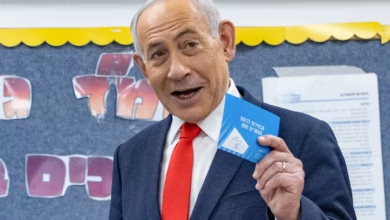
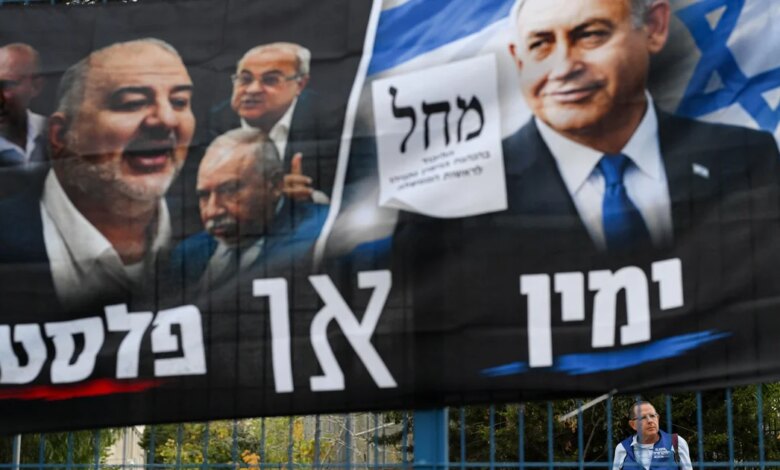
Netanyahu, Israel’s longest-serving prime minister, campaigned on the necessity of finishing military campaigns in Gaza, Lebanon, and Iran, seeking to maintain a coalition built on partnerships with ultranationalist and Jewish religious parties. His campaign centered on keeping Arab parties out of government influence, arguing that their participation in national leadership would endanger the country’s security amid ongoing conflicts.
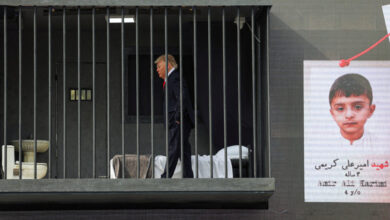
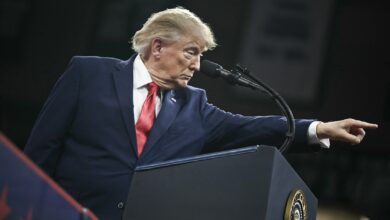
International figures weighed in during the final stretch of the campaign, including former U.S. President Donald Trump, who issued a strong endorsement of Netanyahu on social media. Warning that he would be disinclined to continue joint military efforts against Iran without Netanyahu in power, Trump suggested that the United States would not step in to manage the conflict if leadership changed in Jerusalem.
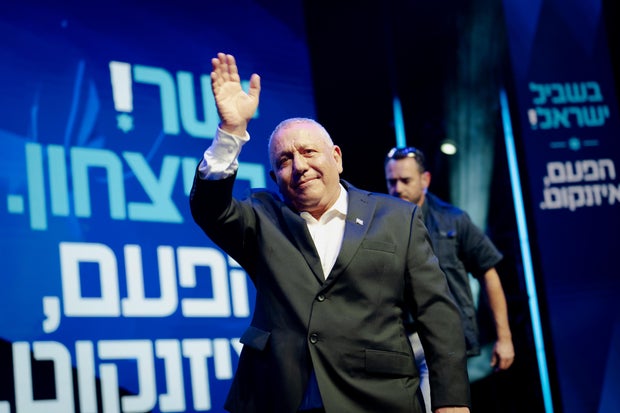
Opposing Netanyahu is a diverse coalition of parties united primarily by their goal to remove the incumbent prime minister. The front-runner to lead this opposition bloc is former military chief Gadi Eisenkot, who heads the centrist Yashar party. Eisenkot, who lost a son and two nephews serving in the military in Gaza and previously served on the war cabinet alongside Netanyahu, positioned himself at a rally in Tel Aviv as a unifying veteran figure dedicated to healing national divisions.
Arab parties achieved historic success in the election, capturing more seats than in any previous contest. This surge followed high voter turnout within the minority community, driven by what voters described as difficult conditions under Netanyahu’s hard-right government. Although both major blocs have vowed not to rely on Arab parties to form a government, political analysts note that the opposition could potentially form a minority government or secure a plurality if Arab lawmakers choose to abstain or vote in favor, depending on whether opposition parties break their preelection pledges.
With neither side holding a definitive 60-seat majority, the path forward involves several traditional pressure points in Israeli politics. Lawmakers could cross lines and abandon campaign promises, or parties could spend weeks locked in complex coalition negotiations. Another alternative involves establishing a minority government that outnumbers the opposing bloc without reaching an outright majority. If these avenues fail and a deadlock persists, Israel faces the prospect of new elections, mirroring a cycle that saw the country hold five inconclusive votes between 2019 and 2022.