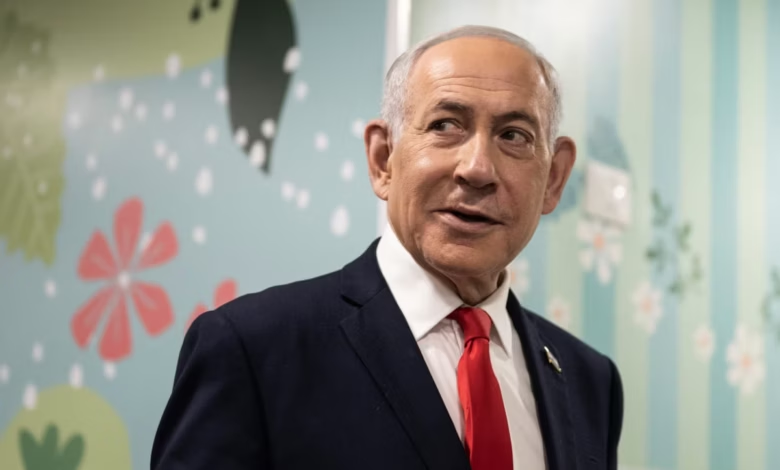
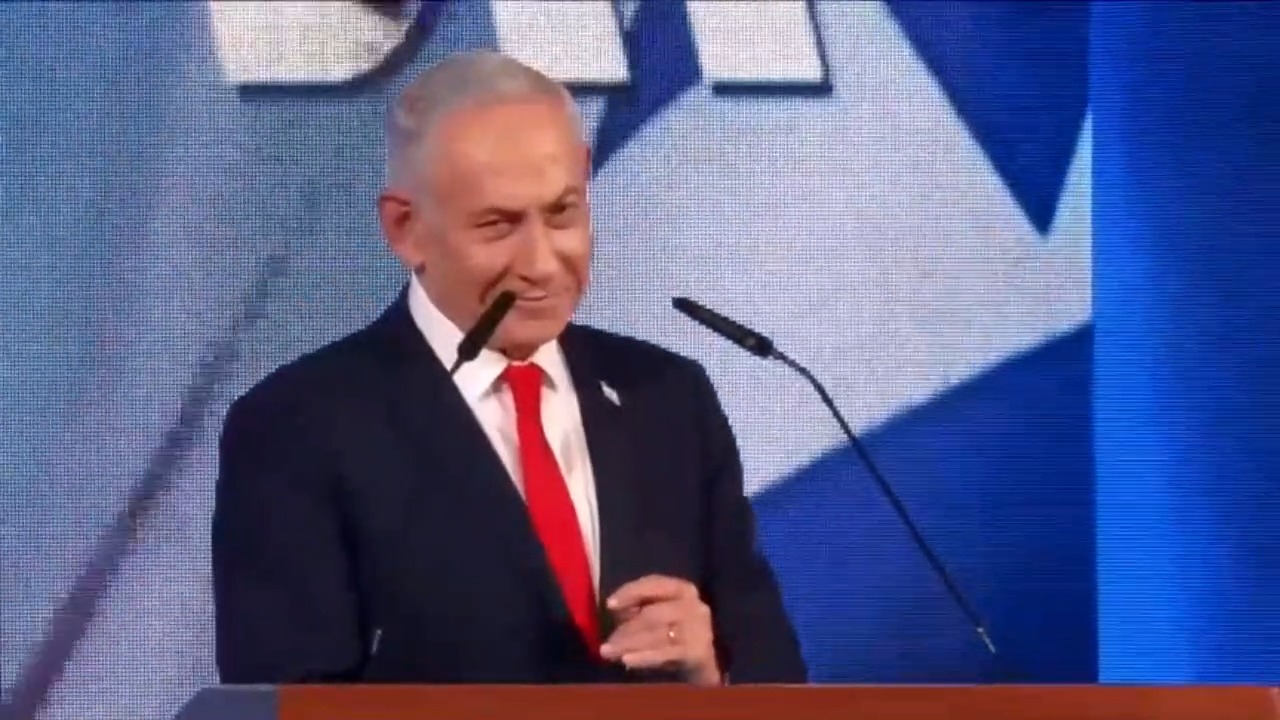
Israel faces a protracted political deadlock following a high-turnout parliamentary election that left neither Prime Minister Benjamin Netanyahu’s right-wing religious bloc nor an opposition alliance led by former military chief Gadi Eisenkot with the 61 seats required to form a governing administration in the 120-seat Knesset. With approximately 85 percent of votes counted by Wednesday afternoon, the outcome has thrust the country’s political future into uncertainty, raising the prospect of returning to the ballot box if parties refuse to bridge ideological divides.
The central dynamic of the election has been the historic surge in support for Arab-led parties, which are projected to secure a record 19 seats, up from 10 in the outgoing parliament. Sami Abu Shehadeh, leader of the Balad party—one of the factions within the Joint List alliance—strongly condemned Israel’s main political leaders for excluding Arab parties from coalition calculations. Describing the resistance as political illegitimacy, Abu Shehadeh accused major leaders of racism. Daniel Shek, a former Israeli ambassador, noted that the revival of the Arab vote is a defining phenomenon of the election, demonstrating that a substantial portion of the electorate cannot be disregarded.
Opposition figures have signaled openness to leveraging the surge to challenge the incumbent administration. Yousef Jabareen, leader of the Joint List alliance, stated that Prime Minister Netanyahu recognizes that an Arab-party partnership is essential to unseating him, which he argued drives political incitement. Jabareen maintained that the ball is in Eisenkot’s court, asserting readiness to cooperate to displace the current government. Conversely, political analysts warn that partnering with nationalist Arab parties risks alienating Jewish voters and fracturing Eisenkot’s diverse opposition bloc. Meanwhile, Netanyahu’s Likud party repeated unsubstantiated claims that Arab citizens stole Tuesday’s election, though the official elections committee found no evidence of widespread irregularities.
As political maneuvering continues, Netanyahu remains in office as a caretaker prime minister. Guy Lurie, a research fellow at the Israel Democracy Institute, explained that a caretaker government technically retains the statutory authority and powers of a regular administration, though it operates under a constitutional duty of restraint and faces legal limitations regarding certain appointments and discretionary actions. Eisenkot has warned publicly that Netanyahu might exploit security matters for political objectives, while Netanyahu’s office has previously rejected accusations of using the conflict with Iran for political gain.
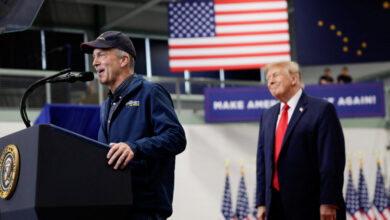
International figures have also weighed in on the vote. Former U.S. President Donald Trump took credit for Netanyahu’s electoral standing on social media, sharing a post on Truth Social asserting that his endorsement reversed the incumbent’s trajectory and transformed a projected defeat into a competitive stalemate.
Regional reactions to the vote remained muted across parts of the Middle East. In Gaza, displaced Palestinian Majed Jundia expressed skepticism toward both Netanyahu and Eisenkot regarding the ongoing conflict. In Lebanon, 81-year-old Kamel Haddad observed that the outcome would likely leave Israeli leaders preoccupied with domestic disputes rather than regional escalations.

Separately, security incidents underscored ongoing regional tensions. In Serbia, an attacker armed with two knives wounded a police officer guarding the Israeli embassy in Belgrade before being shot dead. Serbia’s outgoing interior minister, Ivica Dacic, confirmed the suspect was a minor from Šabac who shouted “Allahu Akbar” during the assault. In response, Serbian authorities elevated the national security threat level to red and increased police deployments at critical sites.