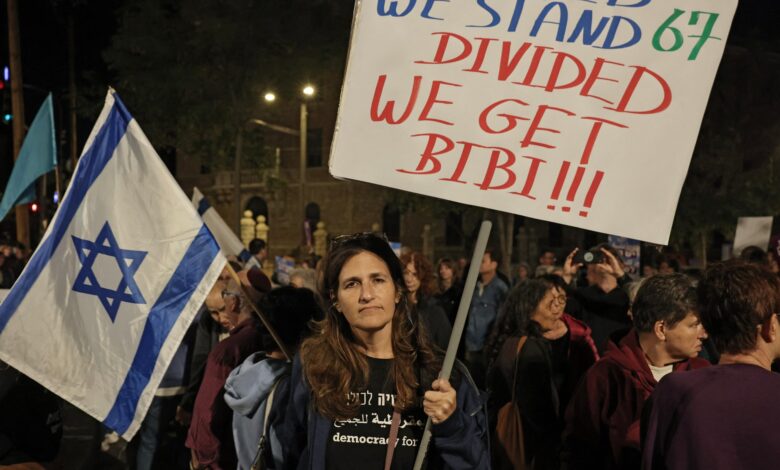
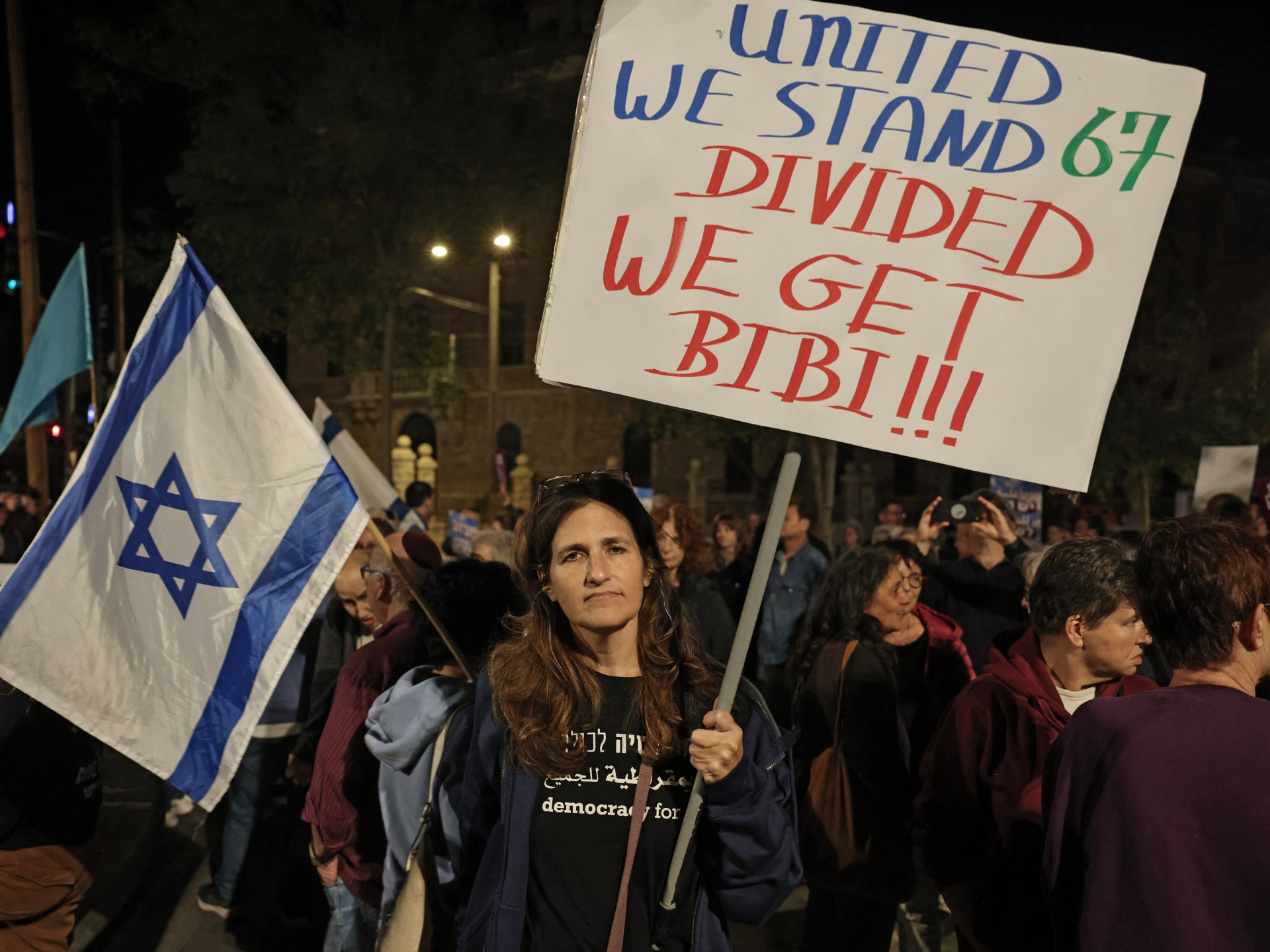
Israeli Prime Minister Benjamin Netanyahu has lost his parliamentary majority following legislative elections held on October 27, leaving the 120-seat Knesset fractured and without an immediate path to a new government. An opposing bloc of Jewish parties also failed to secure an outright majority, setting the stage for weeks of intense political maneuvering over possible governing arrangements, including unity coalitions, minority administrations, or potentially a fresh round of elections.
Final election results show the pro-Netanyahu coalition capturing 53 seats. This total includes 27 seats for Likud, seven each for United Torah Judaism and Otzma Yehudit, and six each for Shas and Religious Zionism. Meanwhile, the bloc of Jewish parties opposing Netanyahu won 48 seats, led by Yashar with 21 seats, B’Yachad with 12, The Democrats with eight, and Yisrael Beytenu with seven. Arab-led parties secured the remaining 19 seats, divided between 11 for the Joint List and eight for Ra’am. Because all existing factions fall short of the 61 seats required for a parliamentary majority, parties will need to realign or bridge traditional bloc divides to form a government.
The formal process moves next to President Isaac Herzog, who must receive the officially certified election results by November 4. The new Knesset is scheduled to be sworn in on November 10, and Herzog is required by November 11 to task an incoming lawmaker with forming a government. The president will consult with party leaders before selecting the candidate he judges to have the strongest prospect of building a viable coalition. That designated candidate will then have 28 days to assemble a government, with a potential 14-day extension available.
While Herzog has not yet announced his choice, the leading contenders are Netanyahu and former military chief Gadi Eisenkot, whose Yashar party outperformed other factions within the opposition bloc. Reports from Israeli media indicate Eisenkot may hold an advantage due to potential backing from Arab-led parties seeking to unseat Netanyahu. Herzog has urged politicians to abandon rigid partisan positions in favor of creative solutions, having previously expressed a desire to avoid another election cycle even if it requires pressing for a national unity government uniting Netanyahu and Eisenkot.

A central question in the upcoming negotiations is whether the opposition bloc will partner with Arab-led parties. Although Eisenkot and other opposition figures have previously dismissed such alliances, former Prime Minister Ehud Barak suggested that politicians can shift their stance when pressed by political necessity, noting in an interview that Netanyahu would readily court Ra’am leader Mansour Abbas under similar circumstances. Abbas has indicated openness to working with the opposition, stating that Eisenkot’s conditions would not present an obstacle. Similarly, Yousef Jabareen of the Joint List affirmed that his party is prepared to help oust the incumbent administration through genuine Jewish-Arab partnership. Even without formal coalition membership, Arab-led factions could sustain a minority government from the outside by supporting it during confidence votes.
If the initial candidate commissioned by Herzog fails to build a coalition within the allotted 42 days, the president can authorize another lawmaker to attempt formation within 28 days. Should that effort also fail, a majority of Knesset members could nominate a third candidate for a final 14-day window. Lawmakers might also explore minority governments dependent on outside support or power-sharing agreements featuring alternating prime ministers. Persistent deadlock would force the formal dissolution of the Knesset and trigger new elections within 90 days. In the interim, Netanyahu remains in office as caretaker prime minister, a role that could extend his tenure for months while coalition talks proceed.